Climate change pushed Earth to its limits in 2026, researchers find
Climate change has pushed the planet's environmental systems "deeper into uncharted territory," researchers said in a new report centered on the state of Earth's climate in 2026.
Watch CBS News
Climate change has pushed the planet's environmental systems "deeper into uncharted territory," researchers said in a new report centered on the state of Earth's climate in 2026.

In a new report, officials with the United Nations say the world is close to crossing the global warming temperature threshold sooner than expected. Kristie Ebi, one of the lead authors, joins CBS News to discuss the findings.

Several firefighters have been killed as France, Spain and Italy all battle wildfires that have forced tens of thousands to evacuate a vacation hotspot.

Only 20% European homes have AC, compared to 90% in the U.S., but as the climate changes, that vast gulf may be set to shrink.
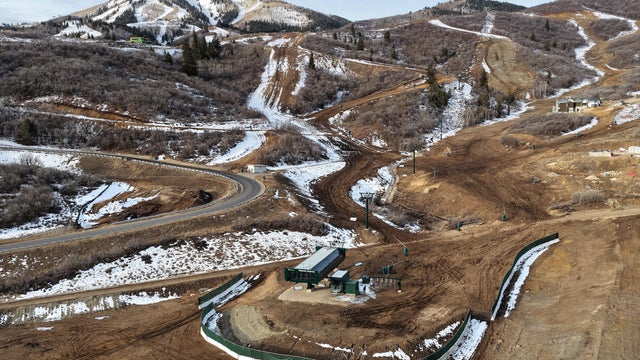
Researchers at two Spanish universities found that 84% of the contiguous U.S. states has shown signs of warming over the last 70 or so years, which is more than previously suggested.
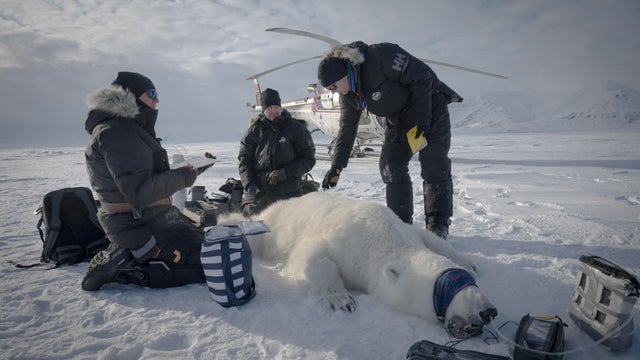
After decades monitoring polar bears in Norway's far north, researchers say the animals have proven incredibly adaptable, but there are no guarantees for the future.

2025 tied for the second-hottest year on record, NASA data shows. 2024 remains the hottest year since record-keeping began in 1880. CBS News' national environmental correspondent David Schechter has more.

The Trump administration sent nobody to the U.N. global climate summit, leaving California Governor Gavin Newsom to ask, "What the hell is going on here?"

Typhoon Kalmaegi battered the Philippines, killing scores of people before moving on to Vietnam, and there's another potential monster storm brewing at sea.
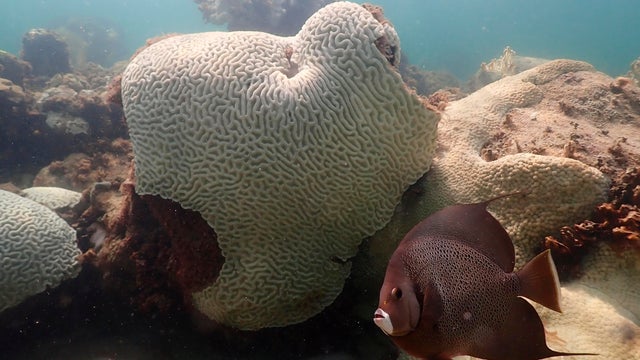
Crucial for marine life and the global economy, coral reefs are the planet's first major environmental system to cross a climate "tipping point" as the world warms.
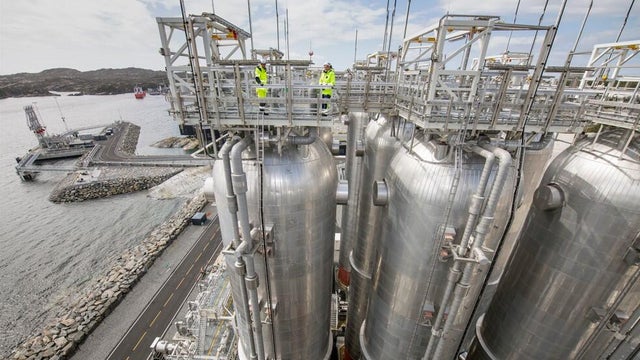
The first commercial carbon storage facility has been inaugurated off Norway's coast, but is storing CO2 deep under the seabed really the answer?
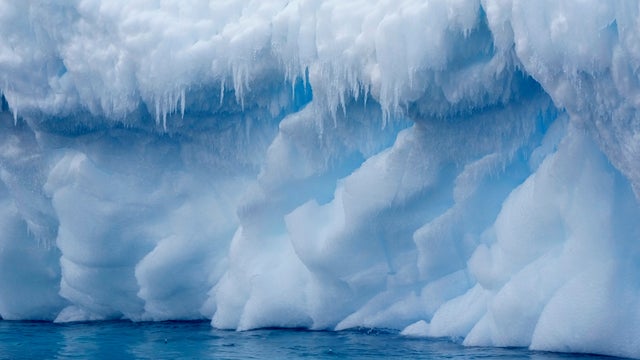
A new study warns that irreversible changes happening in Antarctica, which are caused by climate change, could cause global oceans to rise by meters.

A State of the Climate report from the American Meteorological Society shares concerning updates about the planet. It shows that the annual global temperature, greenhouse gas concentrations and ocean heat all hit record highs last year. CBS News national environmental correspondent David Schechter reports.

Tuesday is "Arctic Sea Ice Day," created underscore the needs of animals in northern Canada threatened by Arctic sea ice melt. Alysa McCall, director of conservation outreach for Polar Bears International, and Kieran McIver, director of field operations for polar Bears International, joined CBS News to talk about the day.

The lawsuit alleges the U.S. government knowingly failed to protect 21 young people from climate change. 60 Minutes first reported on the suit in 2019.

Cuts to a critical carbon-monitoring program could erase decades of insight into Earth's warming atmosphere. David Schechter has more.

Analysis from World Weather Attribution, a climate science group, found that human-caused global warming made the record-breaking downpours in early April about 9% heavier.

If you've noticed the temperature has been all over the place, you're not alone. A new study revealed rapid temperature shifts are globally increasing. CBS News New York meteorologist John Elliott breaks it down.

The Canadian town known as the polar bear capital of the world is now on the front lines of climate change. CBS News Minnesota's Erin Hassanzadeh reports in the documentary "On the Edge."

In this episode of "ClimateWatch," CBS News national environmental correspondent David Schechter looks at the impact wildfires have had on the United States and how climate change is playing a role.
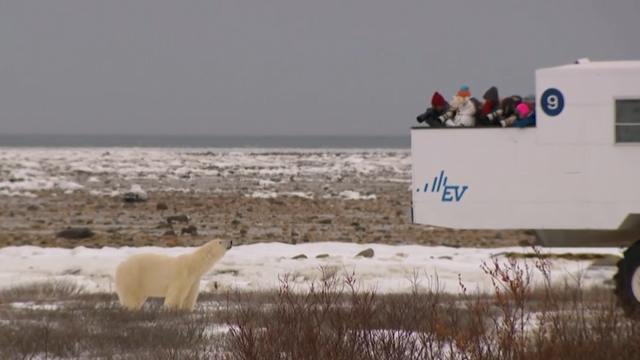
After a summer of fasting on land, the bears need to get back to their frozen home to hunt seals and bulk up. But their migration ritual is changing.

A new global assessment shows that the world's glaciers are melting faster in the last 10 years compared to the previous decade. Polar bears, which depend on the frozen sheets, are increasingly under threat. Erin Hassanzadeh reports.

A new study has found that rat populations have spiked in cities with warming temperatures resulting from climate change. The lead author of that study, University of Richmond associate professor Jonathan Richardson, joined CBS News to discuss the rats.

Large rat populations can have a damaging effect on cities. Researchers found that living with rats " impacts people and their psyche."

Researchers say human-caused climate change dealt people an average of nearly six weeks of extra extreme heat in 2024, while also fueling more destructive storms.