ClimateWatch: Wildfires and climate change
In this episode of "ClimateWatch," CBS News national environmental correspondent David Schechter looks at the impact wildfires have had on the United States and how climate change is playing a role.
Watch CBS News
In this episode of "ClimateWatch," CBS News national environmental correspondent David Schechter looks at the impact wildfires have had on the United States and how climate change is playing a role.
After a summer of fasting on land, the bears need to get back to their frozen home to hunt seals and bulk up. But their migration ritual is changing.
A new global assessment shows that the world's glaciers are melting faster in the last 10 years compared to the previous decade. Polar bears, which depend on the frozen sheets, are increasingly under threat. Erin Hassanzadeh reports.
A new study has found that rat populations have spiked in cities with warming temperatures resulting from climate change. The lead author of that study, University of Richmond associate professor Jonathan Richardson, joined CBS News to discuss the rats.
Large rat populations can have a damaging effect on cities. Researchers found that living with rats " impacts people and their psyche."
Researchers say human-caused climate change dealt people an average of nearly six weeks of extra extreme heat in 2024, while also fueling more destructive storms.
In this episode of “ClimateWatch,” CBS national environmental correspondent David Schechter looks back at the devastating hurricanes, landslides, flooding and more that impacted the U.S. this year.
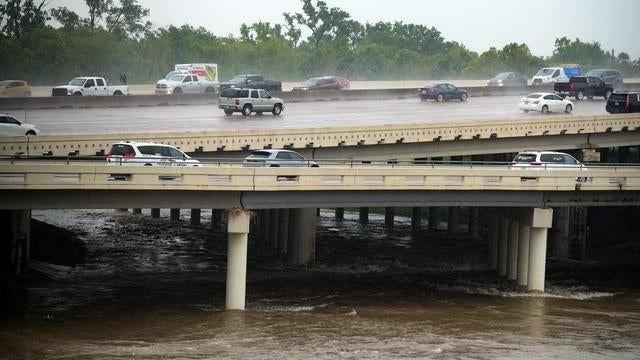
From record-breaking temperatures to devastating disasters, 2024 brought the world closer to the reality of what climate change looks and feels like. CBS News national environmental correspondent David Schechter reports.
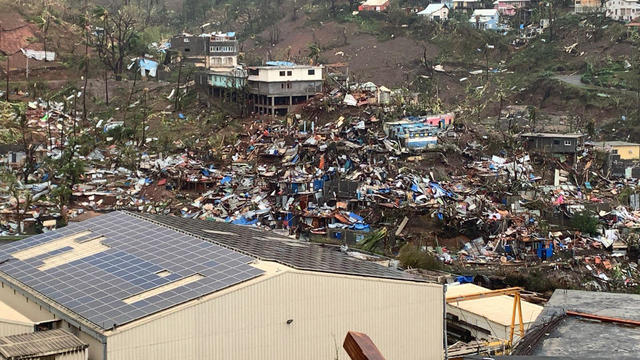
Rescue workers are rushing to the French territory of Mayotte in the Indian Ocean after it was devastated by the powerful Cyclone Chido.
2024 is on pace to be the hottest year on record worldwide. CBS News Los Angeles meteorologist and climatologist Marina Jurica reports that extreme weather events cost the global economy over $2 trillion in the last 10 years.
Addressing the financial challenges of climate change will be one of the main goals at the COP29 summit in Azerbaijan. Lisa Sachs, the director of the Columbia Center on Sustainable Investment, joins CBS News with more.
Delegates from nations across the world are in Azerbaijan for the COP29 climate summit as data shows the highest greenhouse gas emissions ever recorded occurred in 2023. CBS News national environmental correspondent David Schechter has more as activists protest at the conference.
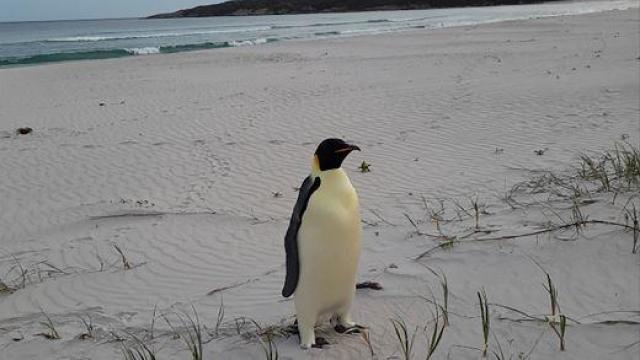
Rescuers are trying to rehabilitate an emperor penguin that came ashore some 2,000 miles from its natural habitat, and what comes next is "still being worked through."
Climate scientists working at the European Union's Copernicus Climate Change Service have announced that 2024 is "virtually certain" to be the warmest year on record.
When climate disasters hit, important memories stored in photos and other artifacts can be lost forever. Dave Malkoff takes a look at how technology is being used to help preserve those memories.
Climate scientists say 2024 is likely to be the hottest year ever on record. The announcement comes just ahead of the COP29 climate summit. Tina Kraus reports.
See how one of the 15 finalists for Prince William's 2024 Earthshot Prize Awards is already helping people live their dreams.
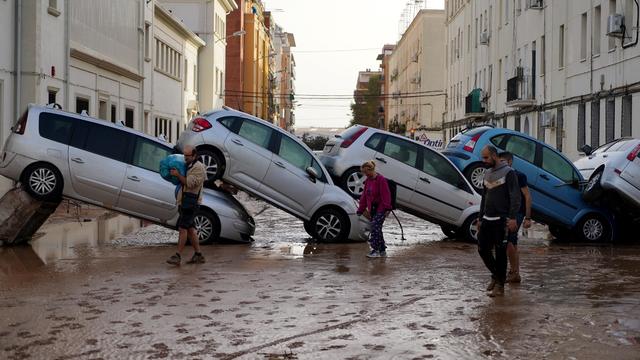
Floods sparked by torrential rain in Spain's Valencia region have left at least 158 people dead and others missing amid mud-caked debris.
The U.N. said that the world is now in "climate crunch time" as greenhouse gases have hit "unprecedented levels."
A new report from the United Nations says the world is way off target when it comes to cutting greenhouse gas emissions and avoiding the worst threats of climate change. CBS News national environmental correspondent David Schechter has more.
A shocking new report on global biodiversity is detailing what it calls "a catastrophic decline" in wildlife populations ahead of a major international conference on biodiversity.
Air Canada says nobody was hurt, but "moderate turbulence" on one of its flights from Vancouver to Singapore did make a mess of a passenger mealtime.
Hurricane John's rapid intensification forced Mexico's Pacific tourist hubs of Acapulco and Puerto Escondido to brace quickly for a Category 3 storm.
Scientists from the International Thwaites Glacier Collaboration warn of a "grim outlook" for the Thwaites Glacier, also known as the "Doomsday Glacier."
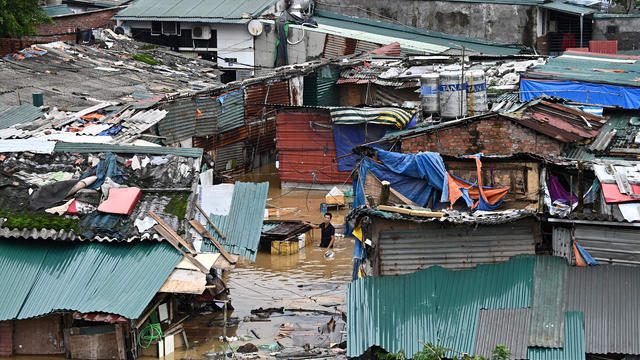
At least 197 people have been killed by Typhoon Yagi's inundations in Vietnam alone, as a vast swath of Southeast Asia reels from flooding and landslides.