Poll: Most Americans say Iran war going badly
New CBS News polling finds that most Americans don't think the war with Iran is going well. CBS News executive director of elections and surveys Anthony Salvanto has the numbers.
Watch CBS News
New CBS News polling finds that most Americans don't think the war with Iran is going well. CBS News executive director of elections and surveys Anthony Salvanto has the numbers.
In a recent CBS News poll, 57% of respondents said they think the war with Iran is not going well for the U.S. and 66% called it a "war of choice." Fewer than one-third think the Trump administration has clearly stated U.S. goals in the conflict. Ed O'Keefe reports.
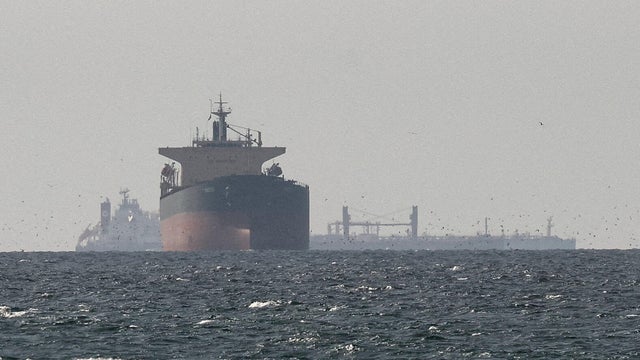
The president threatened to "obliterate" Iranian power plants if Iran didn't reopen the Strait of Hormuz by late Monday night Eastern Daylight Time.
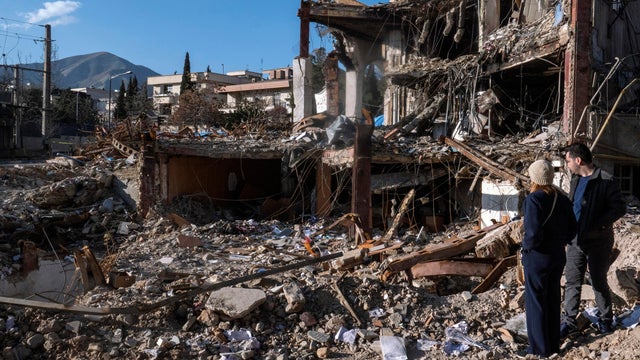
Most Republicans, especially MAGA, continue to support the US action and express a lot of confidence in Trump personally.

Americans voice a range of goals for the U.S. in Iran, including that it is important to stop Iran's nuclear program, make sure the Iranian people are safe and free -- but also, for most, to end the conflict as quickly as possible, CBS News director of elections and surveys Anthony Salvanto says.

President Trump on Friday called NATO allies "cowards" for declining to send troops to help reopen the Strait of Hormuz. CBS News senior White House correspondent Weijia Jiang has more.

Rising fuel prices can impact consumers beyond the gas pump. Oil prices have surged more than 40% since the Iran war effectively shut down the Strait of Hormuz. The price hike can impact everything from cargo ships crossing the Pacific to the delivery van pulling up outside your home - and the costs could quickly trickle down to retailers and consumers. Charlie D'Agata has the latest on the war and Kelly O'Grady explains the rising oil prices' impact on consumers.

Robert Schroeder, Washington bureau chief for MarketWatch, joins CBS News to discuss the current price of gas as energy facilities are attacked in the Middle East.

Sources tell CBS News that President Trump has yet to decide on sending U.S. ground troops into Iran. Republican Rep. Marlin Stutzman of Indiana joins "The Takeout" to discuss.

The Federal Reserve left its benchmark interest rate unchanged on Wednesday, citing economic uncertainty, including potential impacts from the war in Iran. CBS News coordinating producer Richard Escobedo has the details.

Oil prices edged slightly lower on Wednesday as markets reacted to news of a deal between Baghdad and Erbil that would resume oil exports out of Iraqi Kurdistan. Megan Leonhardt, a senior writer for Barron's, joins with more.
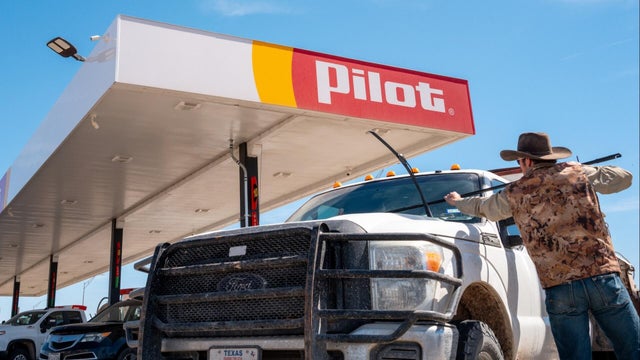
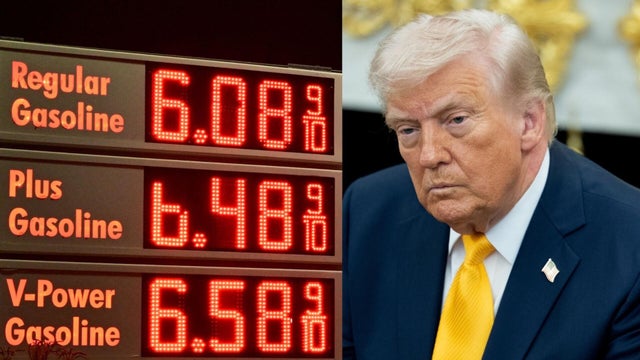
The price of gas and diesel continue to rise as the war with Iran continues. The increased prices could impact the cost of other goods from groceries to airline tickets. Kelly O'Grady explains.

Since the start of the Iran war, gas prices have increased by 27%, and diesel prices have increased by 34%. Justin Wolfers, professor of public policy and economics at the University of Michigan, joins to examine the potential impact of the war on the overall economy.

Rising diesel prices could push up costs across the U.S. economy, as many goods move by diesel-powered trucks.

The war in Iran has caused oil and gas prices to spike, but it's not just affecting cars on the road. A recent Deutsche Bank analysis shows that rising oil prices are also leading airlines to hike ticket prices. CBS News MoneyWatch reporter Megan Cerullo has the details.

President Trump is calling on other nations that depend on oil exported through the vital Strait of Hormuz to help reopen it. The shipping lane, which carries about 20% of the world's oil supply, has been blocked since the war began nearly three weeks ago. CBS News' Imtiaz Tyab, Chris Livesay and Erica Brown have the latest.

President Trump wants other nations not involved in the war with Iran to join the effort to escort vessels carrying oil and natural gas through the Strait of Hormuz. CBS News senior foreign correspondent Imtiaz Tyab reports. Then, former CIA Deputy Assistant Director for Counterterrorism Joe Zacks joins with analysis.

President Trump took questions on the Iran war at the White House Monday, at one point being asked if his advisers had told him anything about how long gas prices would be as high as they are right now.

Americans remain concerned about rising prices and conflict abroad as the Iran war enters its third week. Political strategists Kevin Sheridan and Hyma Moore join CBS News with their take on the latest moves by the Trump administration.

Pain from the Iran war's oil supply shock is being felt across the United States. Willie James Inman reports.

After two apparent terror attacks in the U.S. this week and rising energy prices, former CIA executive and operative Jonathan Gannon, CBS News national security contributor and Biden administration top counterterrorism official Sam Vinograd and energy policy expert and analyst Kevin Book join "Face the Nation with Margaret Brennan" to discuss.

White House National Economic Council Director Kevin Hassett told "Face the Nation with Margaret Brennan" that so far, the war with Iran has cost $12 billion, adding that "right now, we've got what we need" on funding as lawmakers are preparing for a possible supplemental funding request from the White House.

This week on "Face the Nation with Margaret Brennan," amid new strikes from Israel and Iran in the Middle East, Margaret Brennan speaks to Iranian Foreign Minister Abbas Araghchi and Trump economic adviser Kevin Hassett. Plus, Rep. Dan Crenshaw and Sen. Mark Warner join.
On Nov. 29, 1973, CBS News aired a special report titled "Making It Through This Winter," spotlighting the ways Americans were making do amid the oil crisis. Watch the program in full.

A mom of three who commutes three hours roundtrip to work is worried she will have to quit her job as gas prices rise. Elaine Quijano has more.