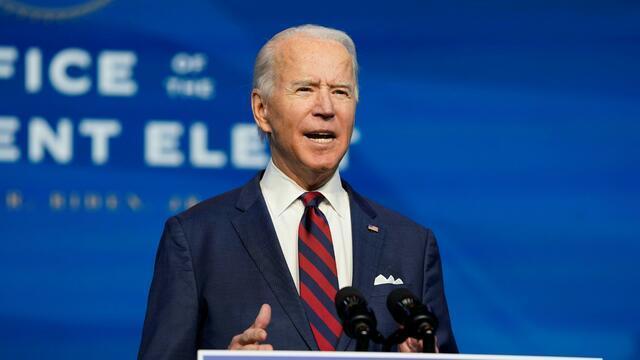
Biden warns "darkest days" of pandemic still ahead
President-elect Joe Biden warned that tens of thousands of more lives will be lost due to COVID-19, even with a vaccine. Nikole Killion reports.
Watch CBS News
President-elect Joe Biden warned that tens of thousands of more lives will be lost due to COVID-19, even with a vaccine. Nikole Killion reports.
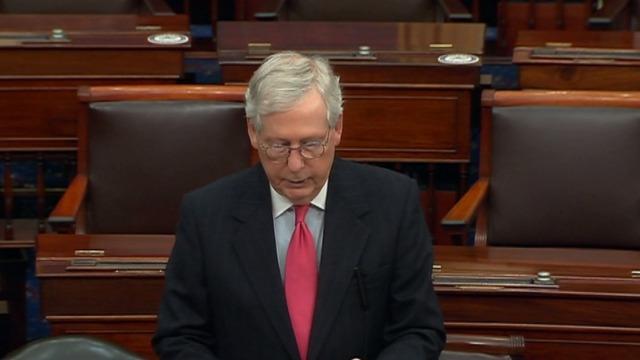
Relief is on the way to hard-hit Americans after President Trump signs the nearly $900 billion pandemic relief package Congress passed. Now, hundreds of dollars soon may be heading into millions of Americans' bank accounts before the end of this year. Nancy Cordes reports from Capitol Hill.
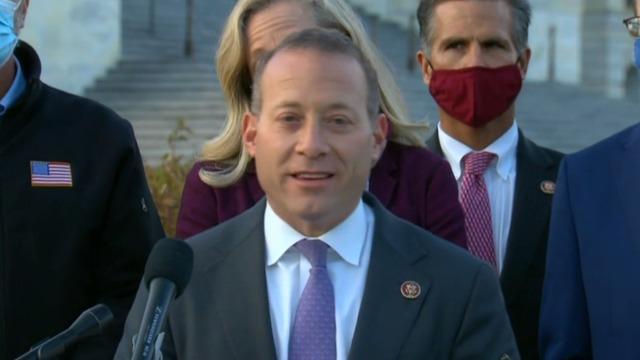
The House and Senate have passed a $900 billion coronavirus pandemic relief bill, which is now headed to President Trump's desk. Also, some European countries scrambled to impose travel bans after a new COVID-19 strain was detected in the United Kingdom. All that and all that matters in today's Eye Opener. Your world in 90 seconds.
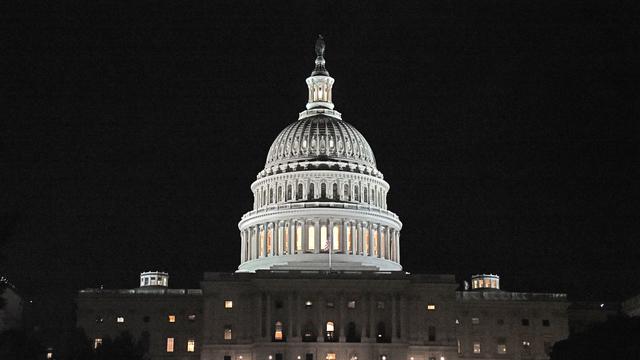
The $900 billion aid package was added to a $1.4 trillion spending bill that funds the government through September.
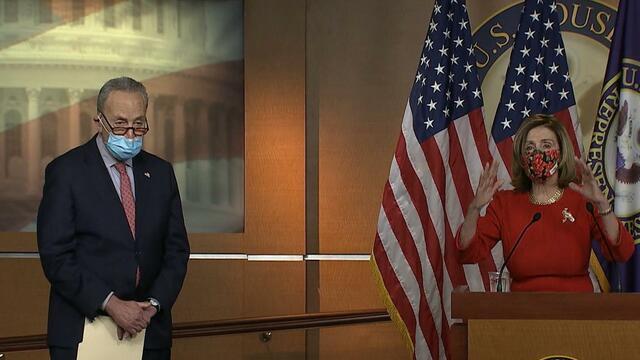
Congressional leaders reached a deal Sunday on a $900 billion coronavirus relief bill, the first significant federal aid since April. As Congressional correspondent Nancy Cordes reports, the bill includes another round of stimulus checks for some Americans, aid for schools, small businesses, and more.

Brian Gregg, senior partner and leader for the North America Marketing and Sales Practice for McKinsey & Company, joins CBSN's Lana Zak to discuss how the 2020 holiday shopping season is unlike any other — and how brick and mortar stores will survive as some shoppers hesitate to leave their homes.
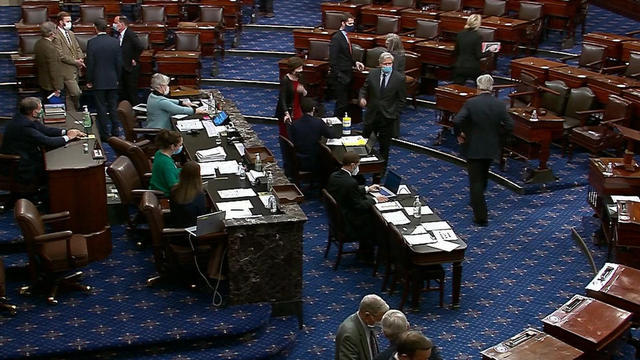
Democrats and Republicans have "finalized a deal" on a $900 billion COVID-19 relief package. It's unclear when they will vote on it, although the government is set to shutdown if a deal is not reached by midnight. Chip Reid has the latest.

Mary Daly, the president and CEO of the Federal Reserve Bank of San Francisco, says she is "bullish on the job market once we get fully through the coronavirus."
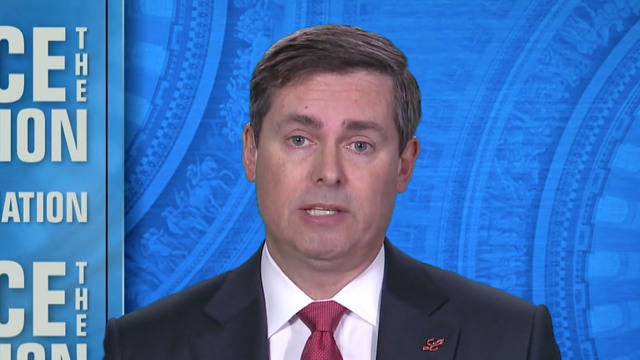
Missed the second half of the show? The latest on covid-19 vaccine and antibody treatment, cyber security attacks and the economic aid for the coronavirus relief bill.
The following is a transcript of an interview with San Francisco Federal Reserve Bank President Mary Daly that aired Sunday, December 20, 2020, on "Face the Nation."
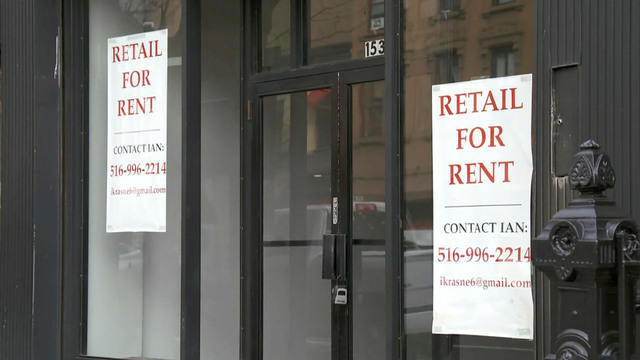
As online holiday shopping sales are expected to hit a record-breaking $189 billion this season, many people are wondering what will be left of the physical landscape of American cities as businesses grapple to evolve in the face of a changing economy and restrictions forced by the coronavirus pandemic. Dana Jacobson speaks to experts in the real estate field to hear about the growing challenges faced by store owners and the landlords who rent to them.
Congressional leaders are still working to finalize a new coronavirus relief package, with protections for millions of Americans set to expire in days. With government funding set to expire at midnight on Friday, lawmakers also face the specter of a brief shutdown over the weekend. Nancy Cordes reports.
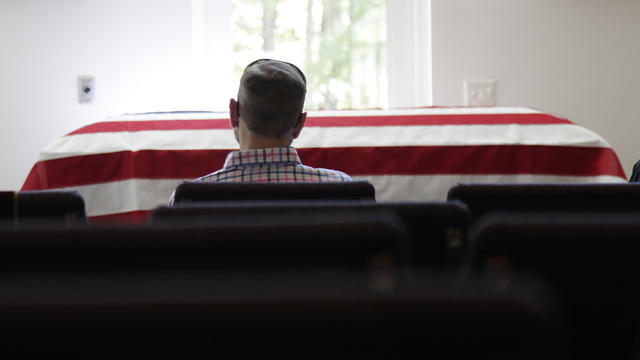
"All I asked in the piece was that we take a moment for those who are feeling grief and sorrow," Dickerson said about his Atlantic magazine article. Dickerson also spoke about it this week on 60 Minutes.
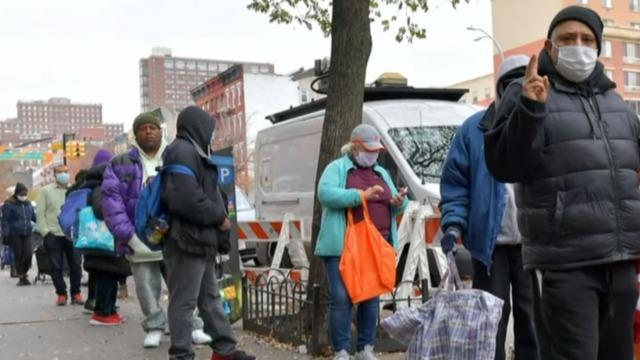
The Labor Department has released the latest figures showing an increase in the number of Americans filing for unemployment for the second straight week. Lori Bettinger, the president of BancAlliance and former director of the Troubled Asset Relief Program during the Obama administration, joined CBSN to discuss what the latest jobs numbers mean for the current state of the U.S. economy.
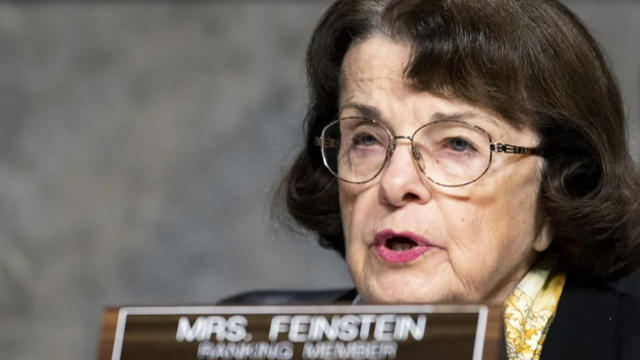
Congress appears to be on the verge of finally reaching deals on COVID relief and government funding ahead of tomorrow's shutdown deadline. CBS News chief congressional correspondent Nancy Cordes has the latest from Capitol Hill while CBS News political contributor Molly Hooper joins to discuss the latest developments.
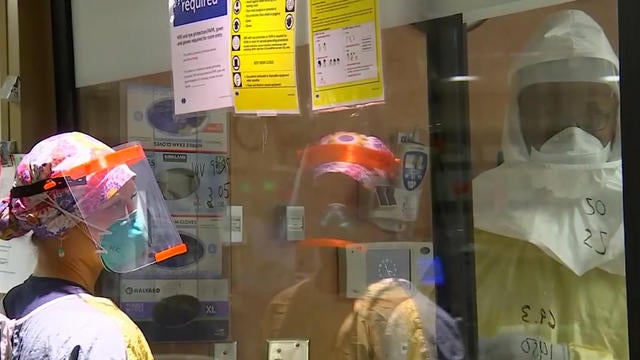
Lawmakers may be closer than ever to agreeing on a new coronavirus pandemic relief bill ahead of the holidays. CBS News' Nancy Cordes reports on what could be inside the package and whether Americans could see another round of stimulus checks.

Congressional leaders are nearing a deal after meeting for several hours on Tuesday evening.
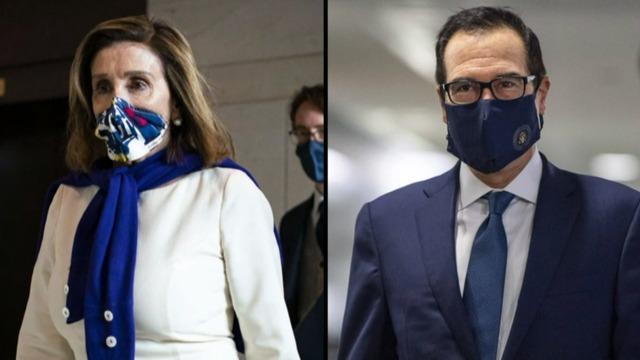
Congressional leaders are negotiating a $900 billion coronavirus relief bill that is expected to include stimulus checks of about $600 per person. CBS News chief congressional correspondent Nancy Cordes and the Washington Post's Eugene Scott join CBSN's "Red & Blue" to break down the latest on the talks and when relief could be in the hands of Americans.

The COVID-19 pandemic is impacting public transportation systems across the country. A new article in Wired takes a closer look at how major budget cuts to key services could affect communities that depend on buses and subways every day. Wired staff writer Aarian Marshall joins CBSN AM to discuss.
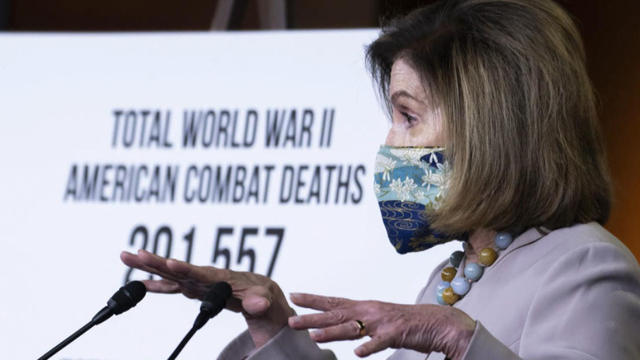
Congress appears to be inching closer to a COVID relief and government funding deal as a Friday deadline approaches. House and Senate leaders will resume high-stakes talks today after failing to reach an agreement last night. CBS News political reporter Grace Segers joined CBSN with more.

Aid groups are warning that the COVID-19 pandemic could lead to a spike in child marriages as families face economic hardship. Krista Larson, West Africa bureau chief for The Associated Press, joins CBSN AM to talk about this issue and a new article she wrote exploring the stories of these children.
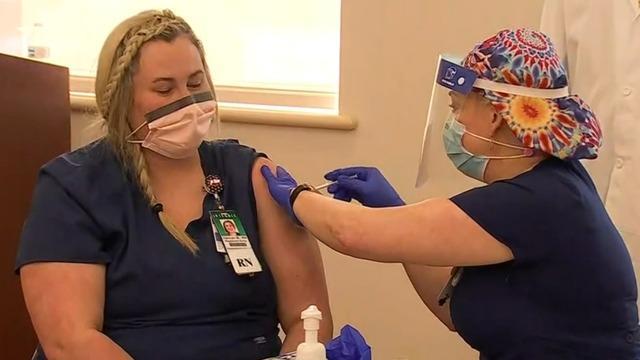
The U.S. is ramping up its vaccine rollout, as the country surpasses 300,000 virus-related deaths and the Food and Drug Administration clears a path for a second vaccine, by Moderna. CBS News correspondent David Begnaud reports on the second day of the rollout as the virus arrives at some hospitals and Dr. Dyan Hes, founder of Gramercy Pediatrics, joined CBSN to discuss vaccines for children and pregnant women, coronavirus mutations and more.
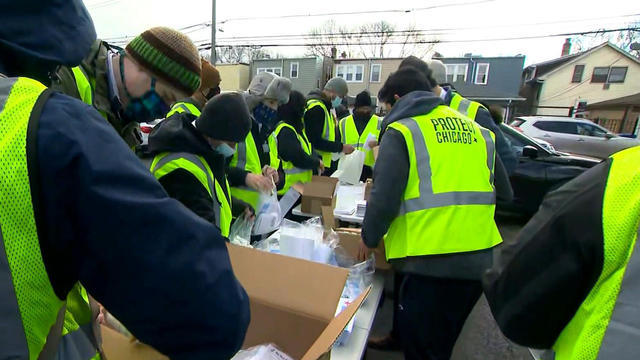
The COVID-19 vaccine may be on the road, but some are reluctant to take it, especially in communities of color. As Charlie De Mar explains, this is driven by inequities in health care, as well as a history of unethical experimentation on minorities.
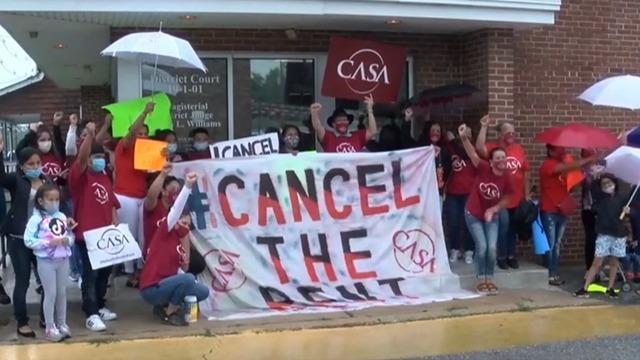
A temporary hold on evictions meant to prevent the spread of COVID-19 expires at the end of December, and 30 to 40 million Americans could be at risk of losing their homes. Analysts estimate renters owe up to $70 billion in back rent, and advocates fear that simply delaying eviction may not be enough. Nancy Cordes reports.
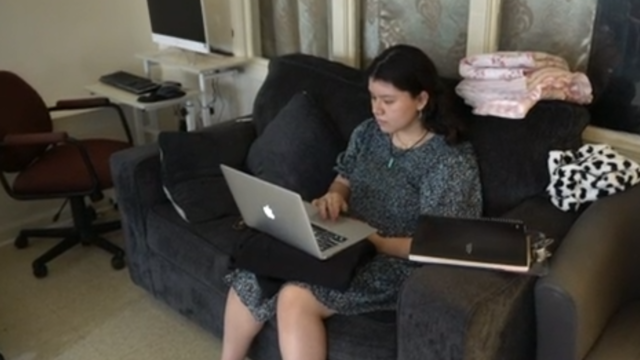
As the coronavirus pandemic is pushing more people out of work, millions of families continue to question where their next meal will come from and whether they will be able to stay in their homes.