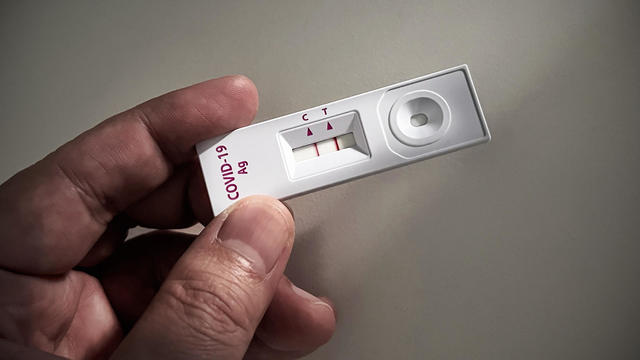
COVID-19 cases are rising. What do you need to know now?
The COVID-19 virus is continually changing, and a recent subvariant, the JN.1, is rapidly climbing the charts.
Watch CBS News
The COVID-19 virus is continually changing, and a recent subvariant, the JN.1, is rapidly climbing the charts.

The global supermarket chain will stop selling popular items like Doritos, Quaker Oats, Lipton tea and Pepsi soda in France, Belgium, Spain and Italy.
The prevalence of the JN.1 variant of COVID-19 looks to be highest in New York and New Jersey, where it makes up more than half of cases.
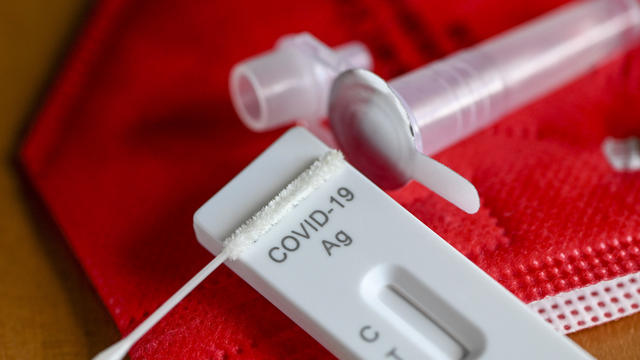
Most COVID-19 symptoms and guidelines for testing and treatment remain largely unchanged as cases from the JN.1 variant rise.
The JN.1 variant of COVID-19 is spreading, but health officials say the symptoms are not more severe and the added public health risk is "low."
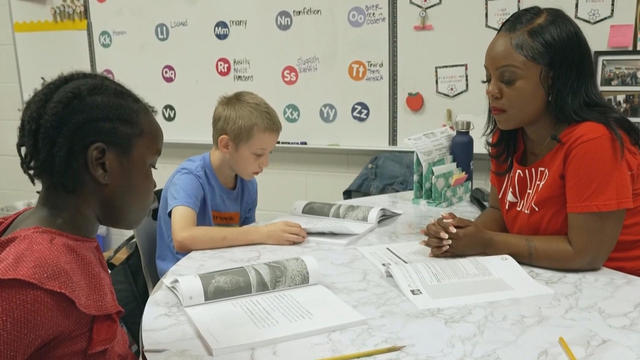
American schools face a range of challenges, but educators and policymakers are making strides to address them. CBS News correspondent Meg Oliver explains why there's cause for hope in the U.S. education system.
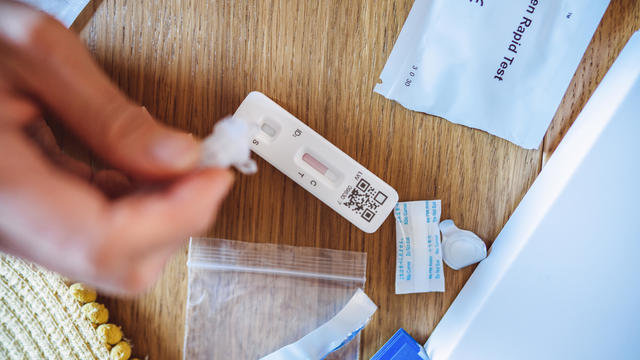
The next round of free COVID test orders will ship starting the week of Nov. 27.
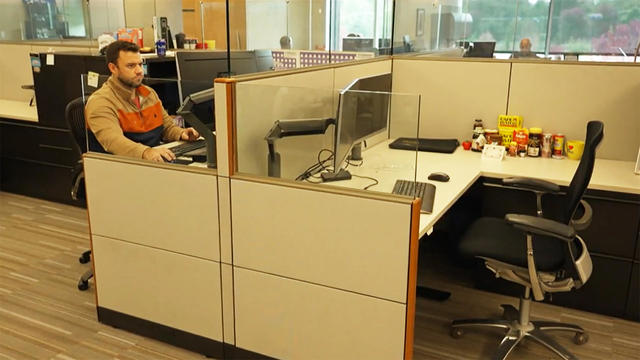
As the pandemic eased, you might expect employees who'd been working from home would head back to the office. But as it turns out, that never happened! Instead, a modern work style – a blend of commuting part-time and working part-time remotely from home – is becoming the new normal. Correspondent David Pogue talks with experts and technologists about who is benefitting from this new work style, and who is hurting.
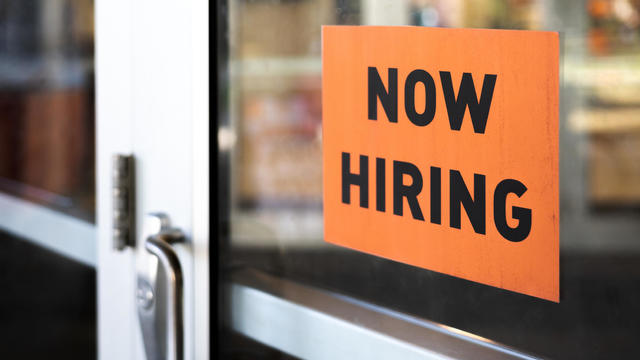
Slight increase in job openings in September indicates U.S. job market remains strong in the face of higher interest rates.

American consumers are spending more and not saving as much, according to reporting by Rachel Wolfe, who covers consumer trends for The Wall Street Journal. Wolfe joins CBS News to explain why a reset of priorities after the COVID-19 pandemic could be leading to more immediate spending.
Reports published Tuesday by the Centers for Disease Control and Prevention say nearly 18 million Americans experienced symptoms of long COVID — when symptoms remain for at least four weeks after a patient has cleared the infection — in 2022 and nearly 9 million people currently have the condition, which can linger for months or years. CBS News medical contributor Dr. Celine Gounder, editor-at-large for public health at KFF Health News, has more on the report's findings.
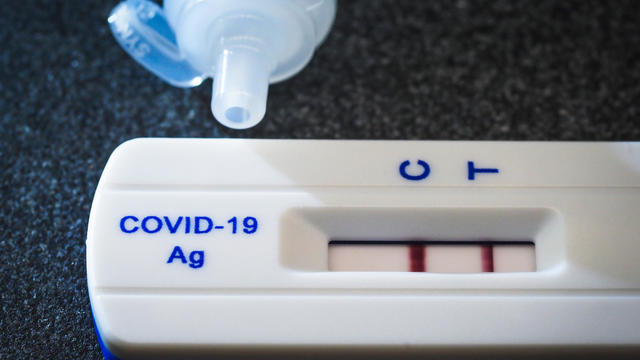
There are still ways for both insured and uninsured people to get free COVID-19 testing. Here's how.
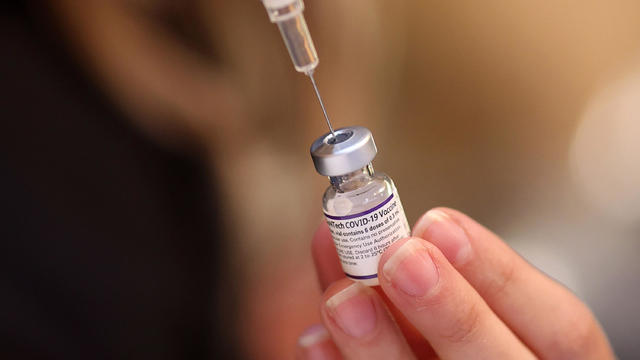
Reformulated vaccine is already available at some pharmacies and will be more widely accessible starting next week.
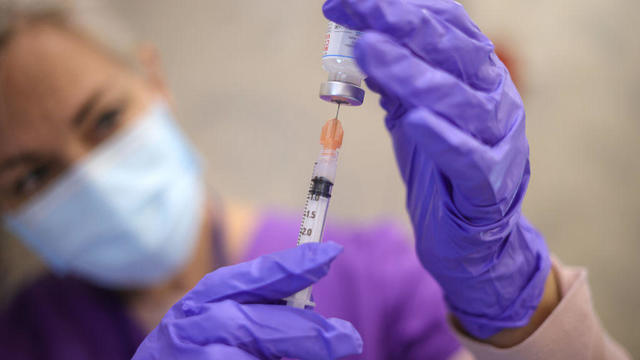
Partisanship remains in potential booster uptake; since vaccines became available, vaccine uptake for Democrats has outpaced that for Republicans.
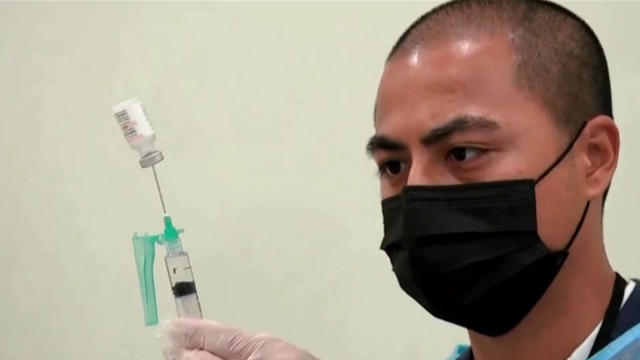
COVID-19 hospitalizations have increased significantly over the past month and are expected to continue rising, according to the latest numbers from the U.S. Centers for Disease Control and Prevention. Meanwhile, demand for in-person and at-home COVID tests is also surging. Elaine Quijano has details.

Student loan interest started accruing again on Friday after a three-and-a-half-year pause amid the COVID pandemic. Ayelet Sheffey, a senior economic policy reporter for Insider, joins CBS News to discuss what student loan borrowers should expect.
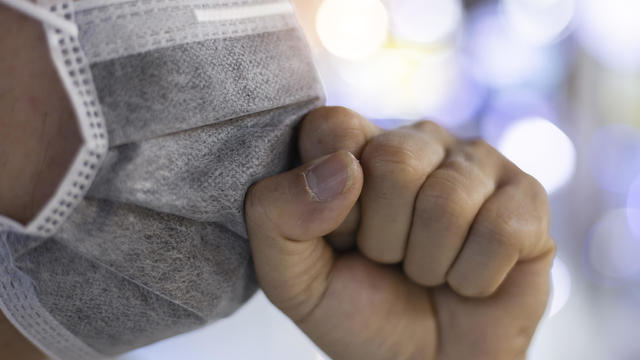
While the Centers for Disease Control and Prevention have not announced new mask mandates, some experts say you may want to consider it, depending on your situation.
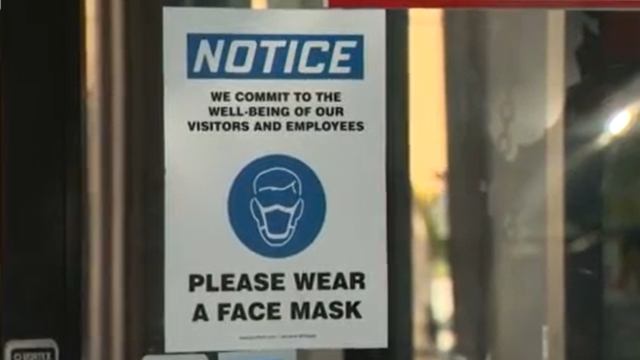
In some places, the emergence of new COVID-19 variants is spurring the return of mask requirements and other safety measures.
So far, the CDC doesn't think the highly mutated BA.2.86 variant is to blame.

Man's best friend may be better at detecting COVID-19 than some of the world's best technology. Researchers are finding that a dog's nose can identify the virus faster than some PCR tests -- even with patients who present no symptoms. CBS News' Bradley Blackburn reports.
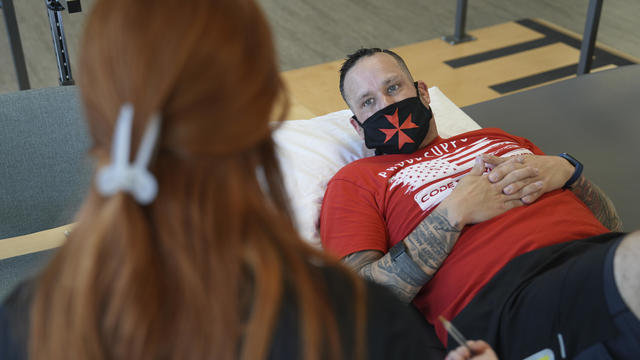
COVID-19 has taken a toll on the nation's heart health, but how profound is only starting to emerge.
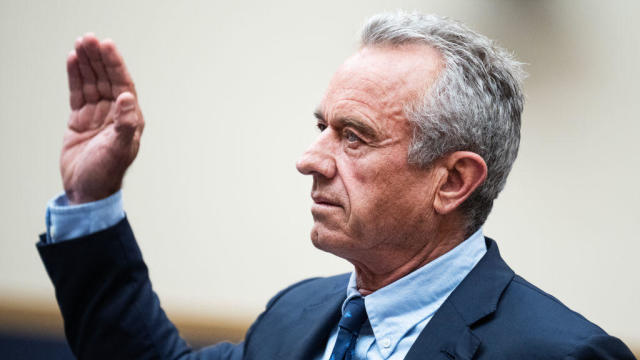
Robert F. Kennedy Jr. worked to defend himself against accusations that he traffics in racist and hateful online conspiracy theories, testifying at a House hearing.
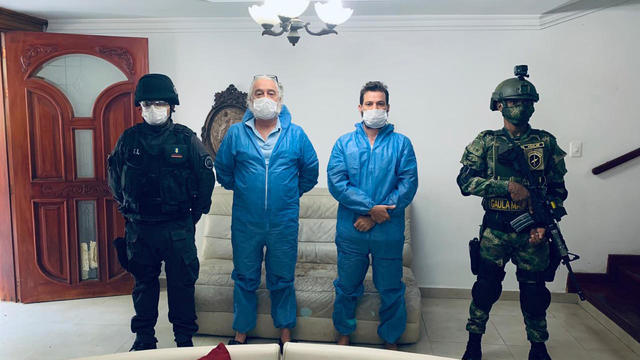
It was pitched as a cure for 95% of known diseases, including COVID-19, Alzheimer's, autism, brain cancer, HIV/AIDS and multiple sclerosis, prosecutors said.
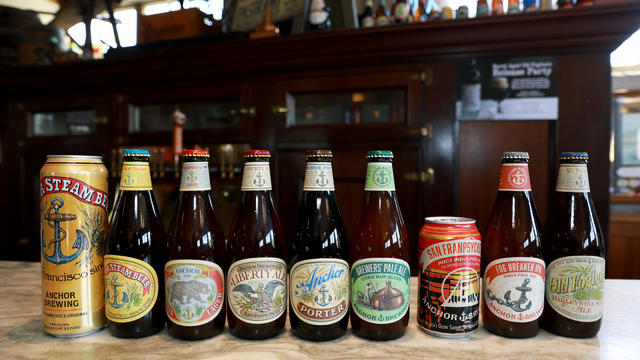
Historic brewing company, which helped kick off the craft beer craze in the 1970s, has faced growing competition.
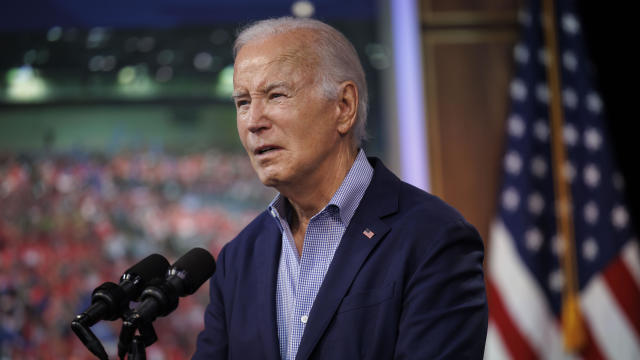
A lawsuit alleged the federal government overstepped in its efforts to convince social media companies to address postings that could result in vaccine hesitancy or affect elections.