Sunday 9AM ET on CBS
11AM ET on the CBS News app
Sunday 9AM ET on CBS
11AM ET on the CBS News app
Watch CBS News
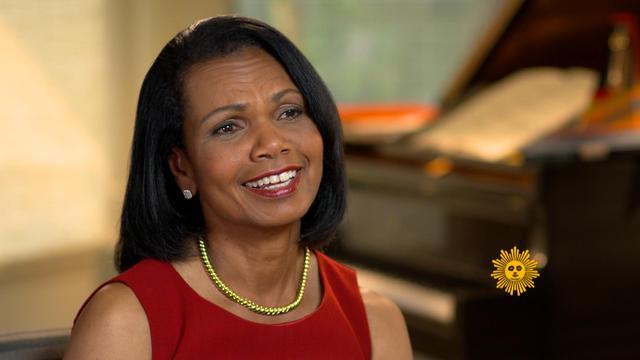
In this preview of an interview to air on "Sunday Morning," host Jane Pauley asks former Secretary of State Condoleezza Rice to define the seminal events that have stirred the political consciousness of today's youth.

We leave you this Sunday Morning swimming with the manatees at Florida's Three Sisters Springs. Videographer: Tom Cosgrove

The traditional "100 days" benchmark of a new presidency was once a timeline touted by Candidate Donald Trump as a signpost of his agenda, and is now referred to by President Donald Trump as "ridiculous." CBS News White House correspondent Major Garrett reports on the measure of the president's achievements since January 20.
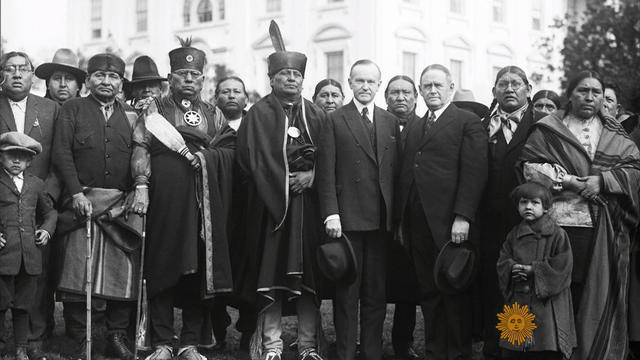
In the early 20th century, an oil rush in the Osage Nation, located in a corner of Oklahoma, produced a torrent of oil revenues for the Native American tribe, making them the richest people per capita in the world - "the Kuwaitis of the 1920s," one writer observed. But their wealth invited greed, exploitation and murder on the part of white "guardians" who came to control the Osage's money, and would lead to the first major investigation by the FBI. David Grann, author of the bestseller "The Lost City of Z," talks with correspondent Lee Cowan about the Osage Reign of Terror, as recounted in his new book, "Killers of the Flower Moon."
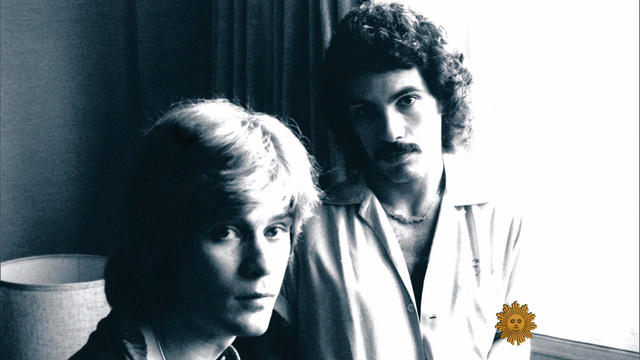
As they prepared for their upcoming tour, hitmakers Daryl Hall and John Oates sat down with Serena Altschul to look back at a decades' old collaboration. The duo has sold more than 80 million albums, and have been inducted into the Rock & Roll Hall of Fame and the Songwriters Hall of Fame - all for a partnership they did not expect to last.
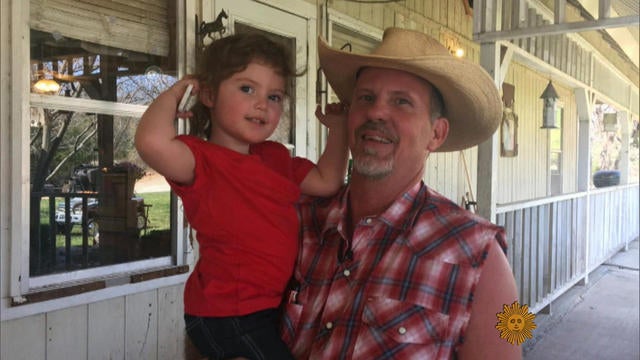
A lot of grandparents complain that they don't see their grandkids enough, but Jimmy White of Decatur, Texas doesn't have that problem. He's built the ultimate enticement for his granddaughter: her own amusement park. Steve Hartman reports.
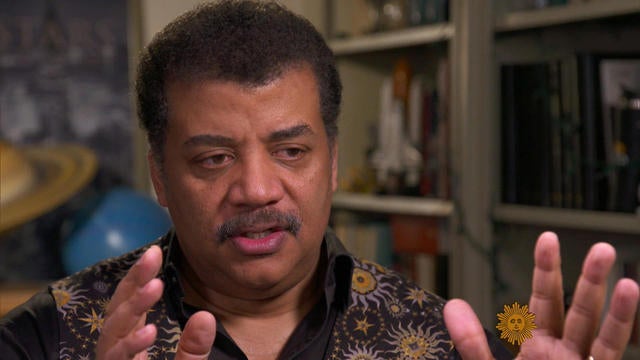
Neil deGrasse Tyson was awed when he visited the Hayden Planetarium in New York City for the first time at the age of nine; since 1996, he's run the place. The rock-star astrophysicist, who has 7.2 million Twitter followers, can fill a theater with people eager to hear him talk science. And his latest book, "Astrophysics for People in a Hurry," offers a shortcut to scientific literacy - a goal Tyson also pursues in his radio and TV series, "Star Talk." Martha Teichner reports.

A visit to the Whitechapel Bell Foundry in London, the oldest manufacturer in all of England, is a trip back in time. For about half a millennium, they have been producing bells for churches, cathedrals and city halls, as well as the original Liberty Bell. But sadly, this old-school shop is closing for good. Jim Axelrod reports.
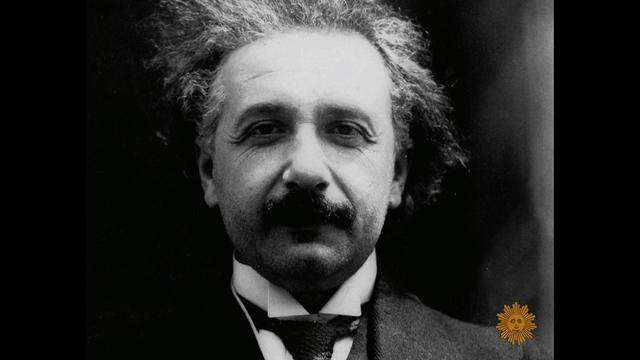
He was the first great scientific celebrity: Albert Einstein, a theoretical physicist who rewrote our concepts of gravity, time and space - and, as depicted in the new National Geographic Channel series "Genius," was also a heartthrob. Faith Salie talks with author Walter Isaacson and Columbia University professor Brian Greene about the man behind e=mc2.
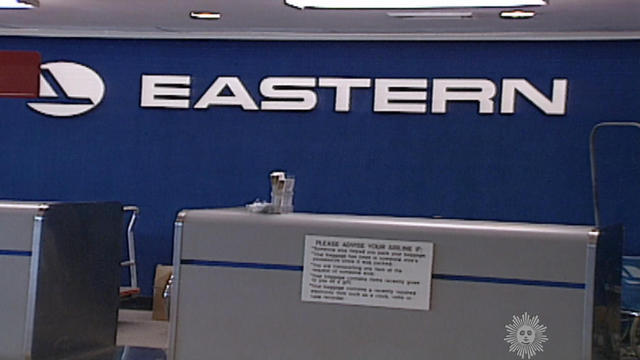
On April 30, 1961, one of America's oldest and biggest airlines changed air commuting with its launch of hourly Northeast Corridor flights between New York City, Washington and Boston. Lee Cowan looks back.