Sunday 9AM ET on CBS
11AM ET on the CBS News app
Sunday 9AM ET on CBS
11AM ET on the CBS News app
Watch CBS News
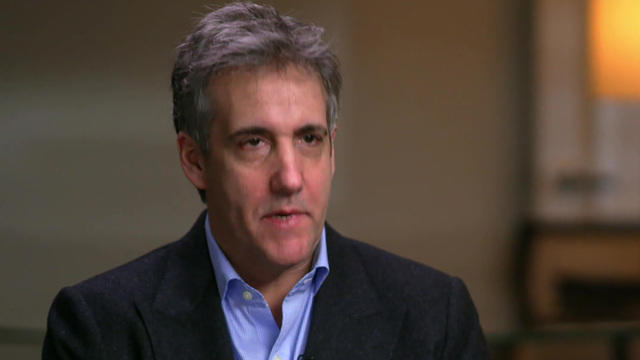
Former President Donald Trump faces approximately 30 counts in a criminal indictment that a New York grand jury voted on this week, connected to his alleged role in a "hush money" payment scheme that may have flouted campaign finance and accounting laws. CBS News chief election & campaign correspondent Robert Costa talks with former Trump attorney Michael Cohen, who was sentenced to three years for facilitating the payments at the heart of this indictment; and with CBS News legal analyst Rikki Klieman, about the legal landscape of this unprecedented case.
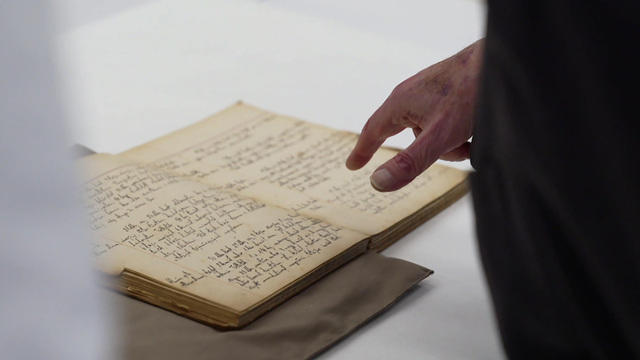
Researching dishes in the archives of the United States Holocaust Memorial Museum, James Beard Award-winning chef Alon Shaya found recipes scribbled on bits of paper, retrieved from Jewish ghettos and concentration camps during the Holocaust. Among the items rescued was a Hungarian family cookbook whose recipes brought back memories for Holocaust survivor Steven Fenves. Shaya and Fenves talk with correspondent Lee Cowan about how food can offer solace in the midst of suffering, and provide the imperative to remember.

The opulence of a masked ball in the Italian city of Venice during Carnival must be seen to be believed. Correspondent Seth Doane joins revelers, including a couple who traveled from Florida to attend a lavish costume party, "Il Ballo del Doge"; and talks with designer Antonia Sautter, who has created ever-more extravagant costumes for this Venetian tradition dating back centuries.

"Sunday Morning" remembers the six victims, including three children, of the mass shooting at the Covenant School in Nashville.

For singer-songwriters Brandy Clark and Shane McAnally, it's been a perfectly natural road from Nashville to Broadway, as they bring country music and "Hee Haw"-style humor to the Great White Way in the new musical comedy "Shucked." Correspondent Tracy Smith talks with Clark and McAnally; book writer Robert Horn; and stars Caroline Innerbichler, Alex Newell and Kevin Cahoon about collaborations, storytelling, and sharing joy and corny jokes with audiences.
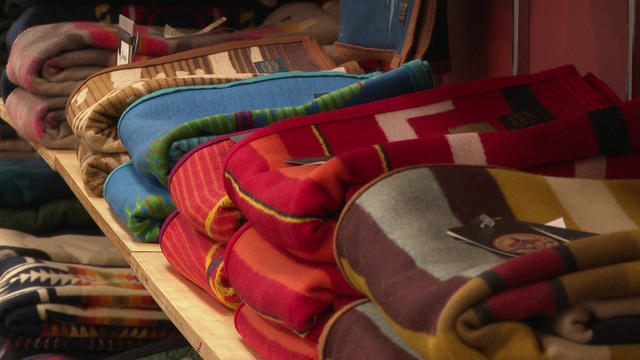
Pendleton Woolen Mills, in Pendleton, Ore., has been part of the fabric of the community since the early 1900s. Correspondent Conor Knighton looks at how the company's products, including its signature blankets, tell the story of the American West, as well as feature patterns honoring Native American traditions.

Every month about 150 million Americans use TikTok, a social media app that was developed in China. And that has security experts and lawmakers worried, because of how user data might be accessed by the Chinese Communist Party. Correspondent David Pogue looks at why plans to limit (or ban outright) TikTok are being debated - and how far they might go.
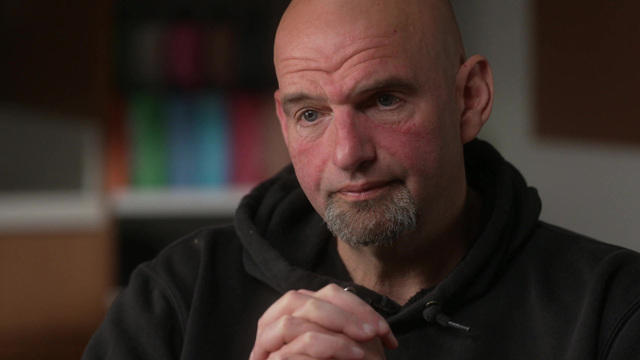
In an interview days before his release from Walter Reed National Military Medical Center, the Pennsylvania Senator talked with "Sunday Morning" anchor Jane Pauley about his "downward spiral" that led to a diagnosis of major depression. He also talks about sharing news of his difficulties publicly, how his health scare affected his family, and his reasons for feeling hopeful for the future.
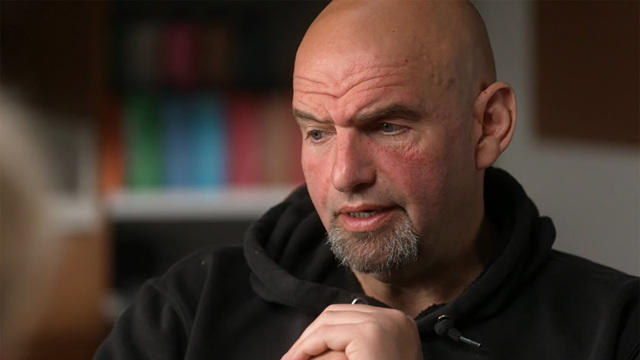
In an interview to be broadcast on "CBS Sunday Morning" April 2, Pennsylvania Senator John Fetterman talked with Jane Pauley about his health, just days before his discharge from Walter Reed National Military Medical Center.
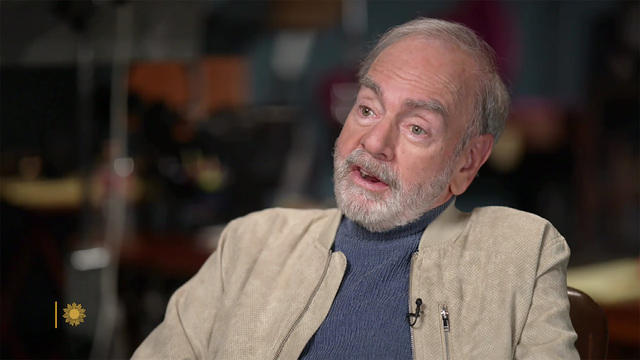
In this preview of an interview to be broadcast on "Sunday Morning" April 2, legendary singer-songwriter Neil Diamond talks with correspondent Anthony Mason about the Broadway production of "A Beautiful Noise," a musical based on his life.