Iran conflict expands as Senate again rejects effort to limit Trump's war powers
A vote in the Senate to limit President Trump's war powers has narrowly failed again. Three Republicans voted in favor of it.
Watch CBS News
A vote in the Senate to limit President Trump's war powers has narrowly failed again. Three Republicans voted in favor of it.
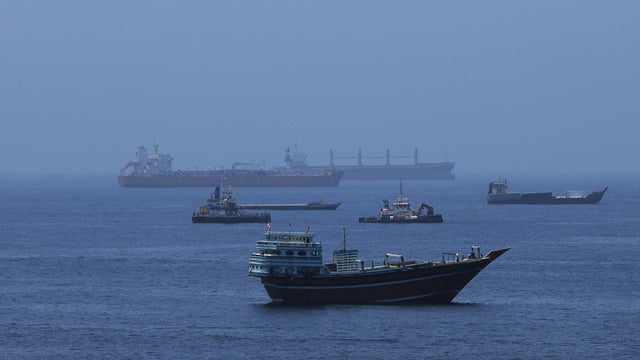
Talks between Oman and Iran on reopening the Strait of Hormuz and their respective territorial waterways have made progress, two sources told CBS News.
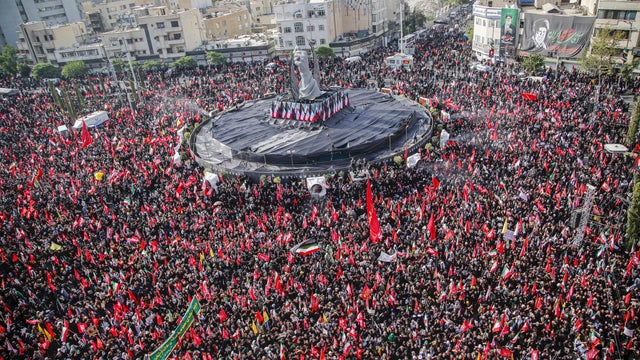
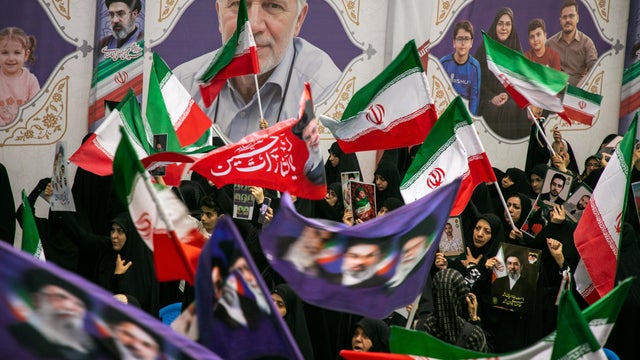
The U.S. is "going to win one way or the other," President Trump said Monday, as Iran held a colossal public funeral for its slain supreme leader.
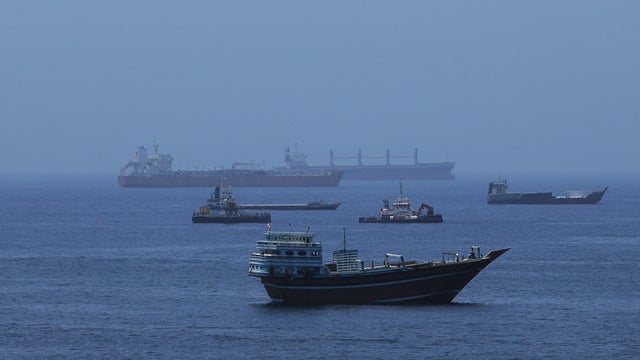
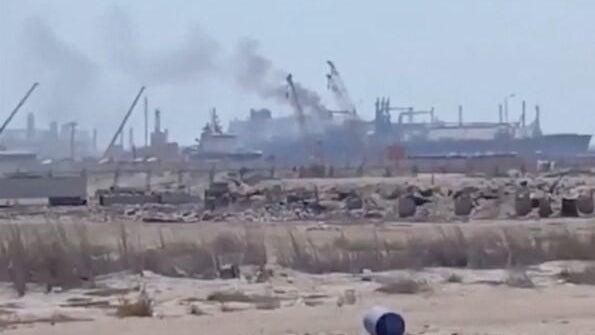
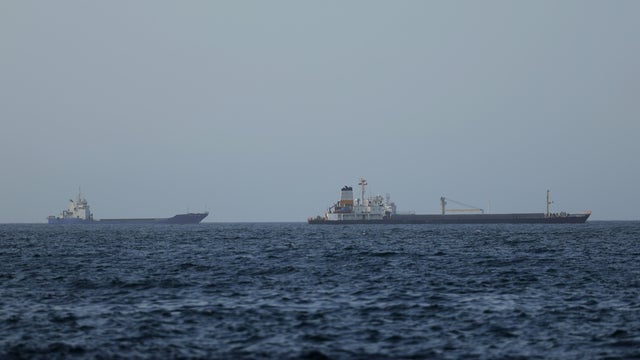
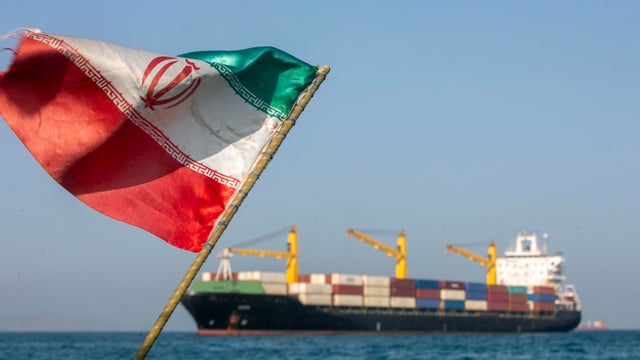
The Islamic Revolutionary Guard Corps struck a cargo ship near Oman on Thursday, further complicating the Iran-U.S. negotiations.
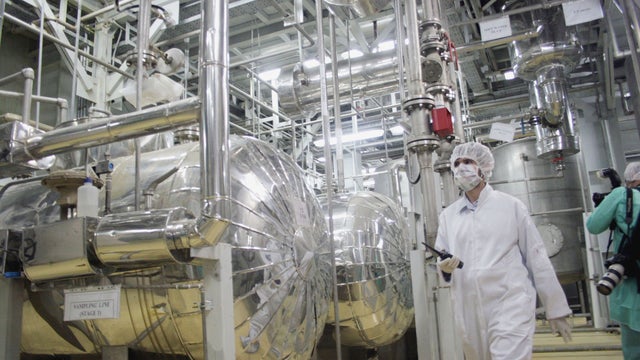
Iran insists there are no plans for inspections of its bombed nuclear sites, but Trump says Tehran "fully and completely" agreed to let inspectors return.
The negotiations were expected to start as soon as this weekend, but Vice President Vance's trip there was put off and Switzerland said the negotiations have been postponed.
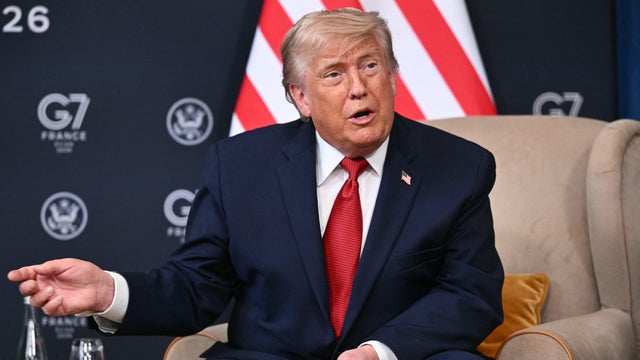
President Trump warned he could order new strikes if Iran's leaders "don't behave." The U.S. and Iran signed the memo of understanding remotely, a White House official said.
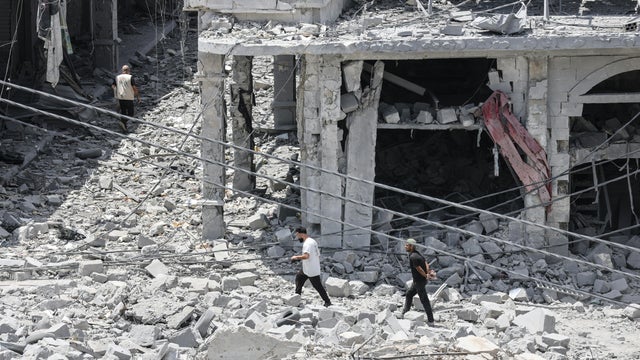
Senior U.S. officials say President Trump and Iran's top negotiator have already remotely signed a memorandum of understanding ahead of an expected signing ceremony.
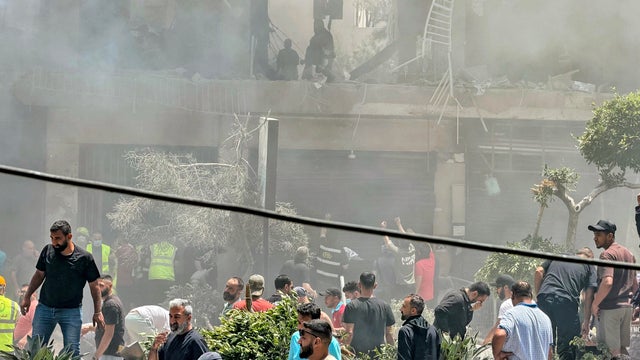
Pakistan's prime minister said Sunday the U.S. and Iran had reached a deal that includes "the immediate and permanent termination of military operations on all fronts, including in Lebanon."
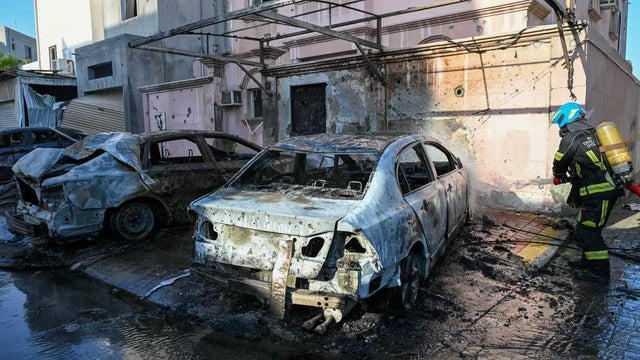
The U.S. and Iran exchanged fire again on Thursday after President Trump pledged Tehran would "pay the price" for not accepting a deal.
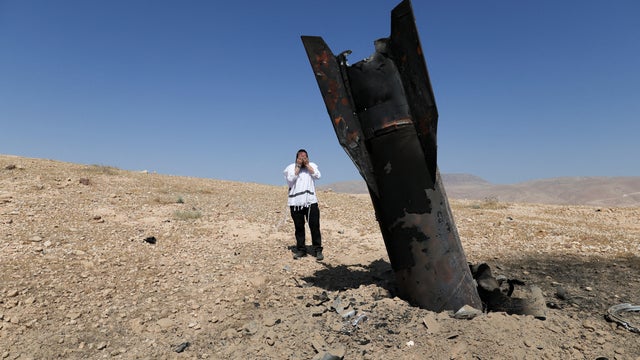
Iran and Israel declare a halt to fighting as President Trump says both are seeking an "immediate ceasefire" after a major escalation in the 101-day war.
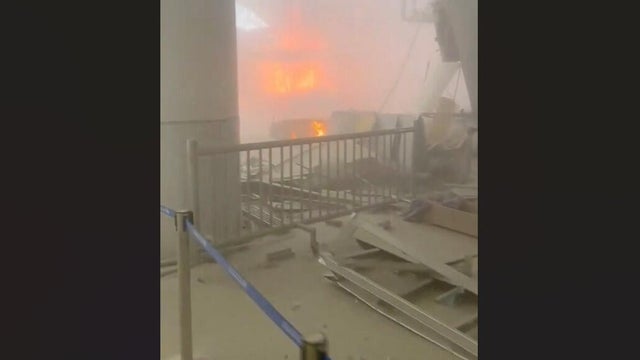
Israel and Lebanon agreed Wednesday to renew their fragile ceasefire and create a number of "pilot" security zones inside Lebanon where Hezbollah would be banned.
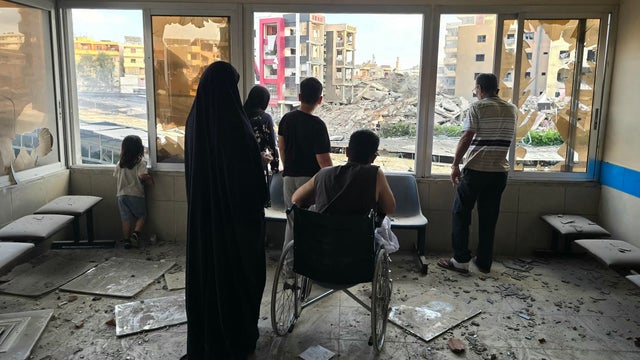
Prospects for a U.S.-Iran deal appear to be dimming as the war between Israel and Hezbollah grinds on despite Trump saying they agreed to stop fighting.
As Iran accuses the U.S. of a "grave violation" of the fragile ceasefire, Rubio says a deal is still possible despite the latest clash.
As the Trump administration signals hope for a possible deal, Iran says obstacles linger and that "frequent changes" in U.S. positions aren't helping.
There is broad commitment on the principles of a deal, a senior Trump administration official said, and the administration feels positive about where things stand.
Iran warns any new U.S. attacks will bring a "bad result," as President Trump acknowledges the ceasefire is faltering and violence flares in Lebanon.

Hegseth said the ceasefire with Iran "certainly holds" for now after a naval clash between Iranian and U.S. forces and renewed attacks on the UAE.
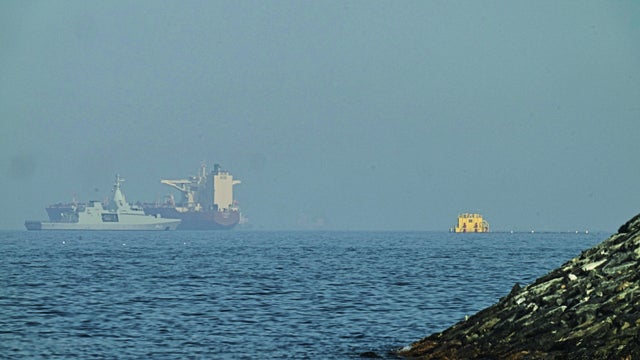
President Trump announced the U.S. would "guide" ships not involved in the war with Iran out of the Strait of Hormuz. A U.S.-led task force says it has started the operation.
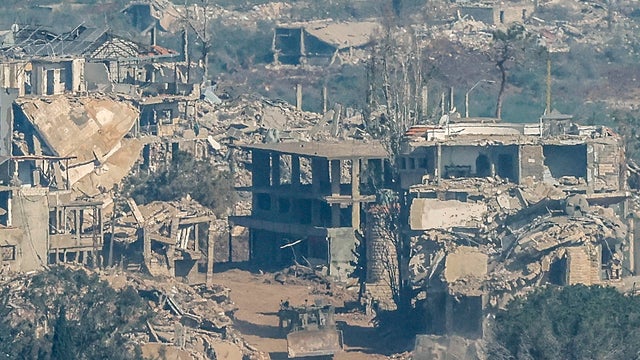
Energy prices keep rising with no sign of progress toward a deal to end the U.S.-Iran standoff and Hezbollah rejecting the Lebanon ceasefire.
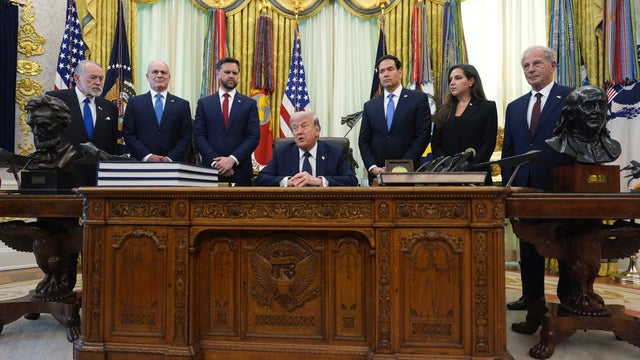
Following a second round of peace talks in Washington, President Trump announced that the Israel-Lebanon ceasefire had been extended by three weeks.
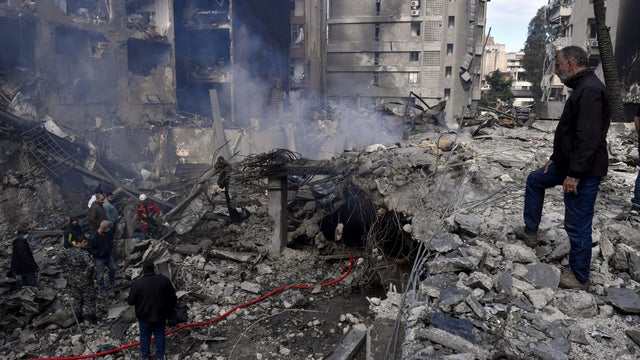
Only about a dozen ships passed through the Strait of Hormuz in the first two days of the ceasefire, far below normal traffic levels before the war, data shows.
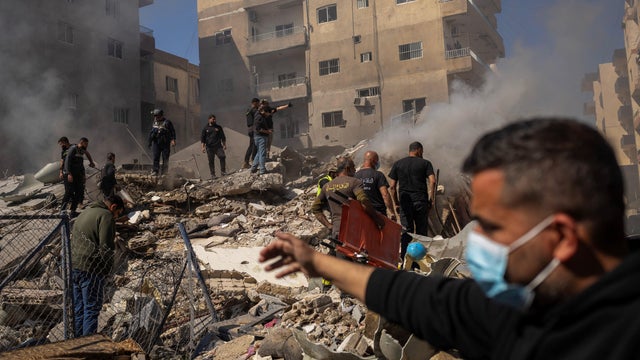
Iran says Israel is violating the ceasefire deal President Trump announced, and Tehran appears to still have control over shipping in the Strait of Hormuz.
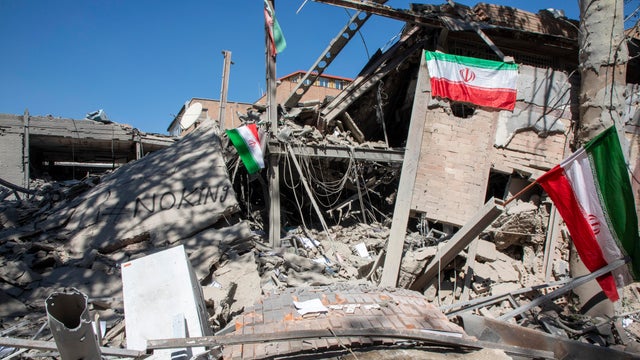
President Trump announced that the U.S. and Iran had agreed to a two-week ceasefire that was contingent on the reopening of the Strait of Hormuz.
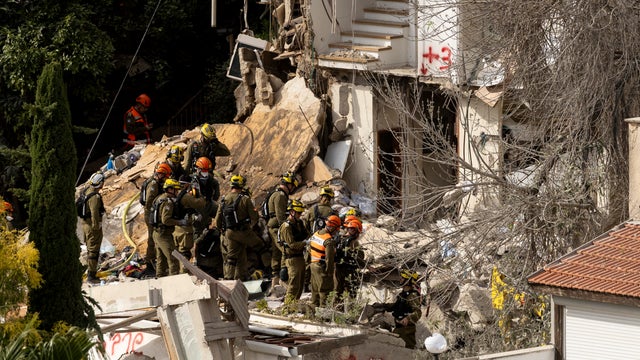
President Trump's deadline for Iran to reach a deal to end the war or face punishing strikes on its bridges and power plants is less than 24 hours away.