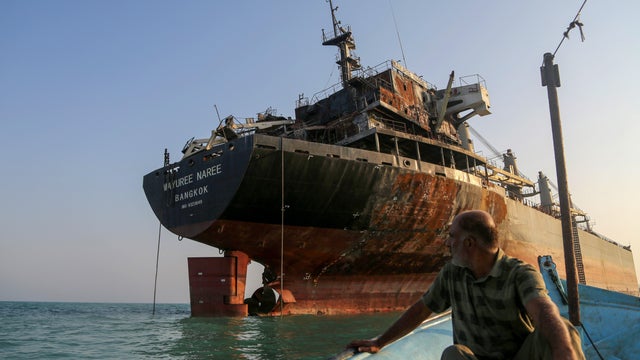
Strait of Hormuz still unsafe for ships, maritime group warns
Vessels in the Strait of Hormuz still face "indiscriminate attacks" even if they switch off tracking systems, a maritime risk firm warns.
Watch CBS News
Vessels in the Strait of Hormuz still face "indiscriminate attacks" even if they switch off tracking systems, a maritime risk firm warns.
Trump said he doesn't believe "you could ever have peace" with Iran, and renewed his threat to resume U.S. attacks after the midterms.
The Iran war has cost the U.S. military at least $33.4 billion — most of it on munitions — and not including hundreds of millions more spent by other agencies, the Pentagon says.

Iran responded to a warning from President Trump with claims of new strikes against U.S. forces in Kuwait and the United Arab Emirates.
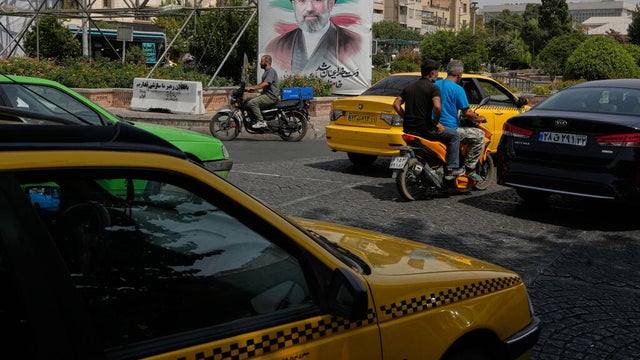
U.S. forces announced new strikes against targets linked to Iran's Revolutionary Guard, marking another round of attacks as the U.S. and Iran return to hostilities.
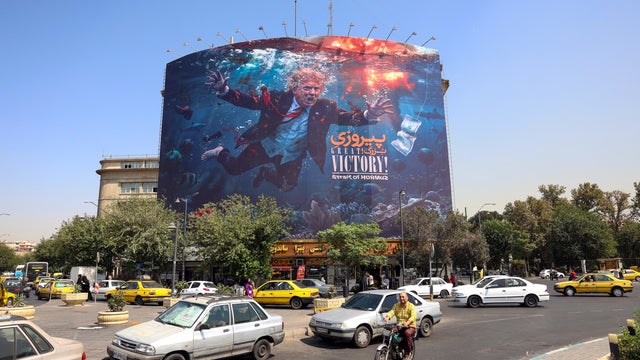
Iran's economy minister said the country has been preparing for a long time for the sanctions U.S. Treasury Secretary Scott Bessent described as the "greatest financial offensive" ever.
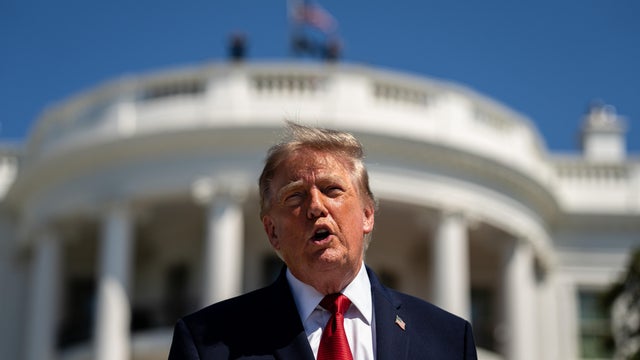
President Trump said Wednesday the U.S. might return to negotiations with Iran eventually, but he said currently "the situation is so good."
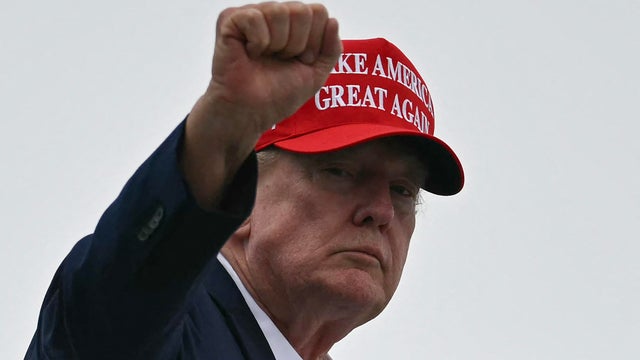
The 60-day deadline for the U.S. and Iran to negotiate a peace deal and reopen the Strait of Hormuz expired, with no agreement in sight.
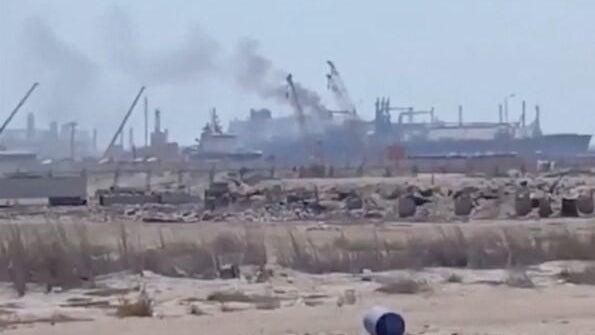
A vote in the Senate to limit President Trump's war powers has narrowly failed again. Three Republicans voted in favor of it.
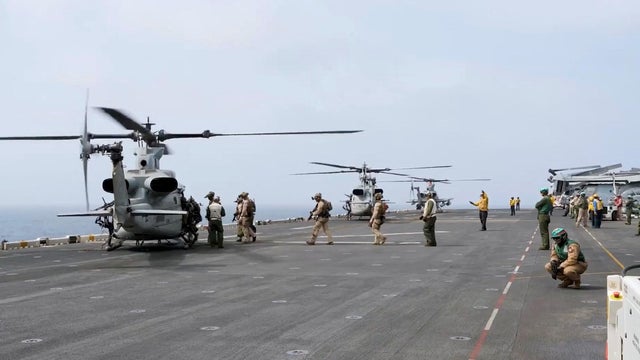
Iran launched multiple ballistic missiles at U.S. forces in the Middle East in what U.S. Central Command described as an "attempted surprise attack" on Tuesday.

The last time global oil prices settled above $100 was on May 22, data from FactSet shows.
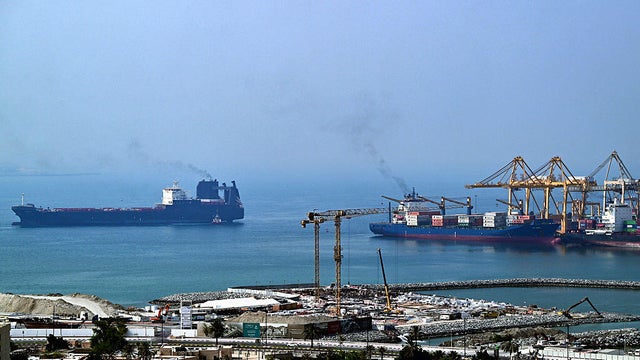
As the U.S. restarts its Iran blockade and carries out more strikes, President Trump has called off a planned 20% fee on shipping through the Strait of Hormuz.
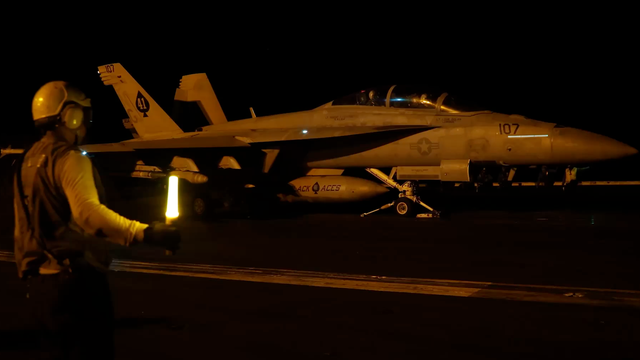
U.S. forces conducted more rounds of strikes on Iran this week, one of which was in retaliation for an attack on a commercial ship in the Strait of Hormuz, the Pentagon said.
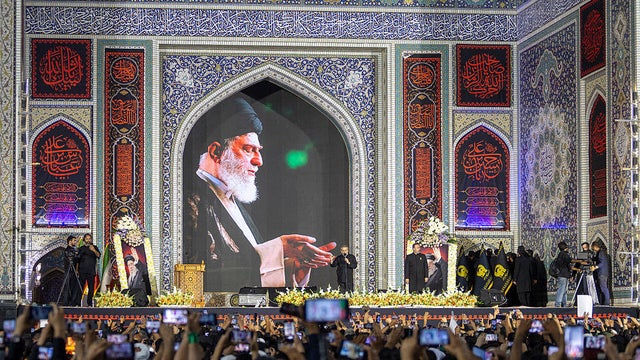
Iran's former Supreme Leader Ali Khamenei was buried amid an escalating exchange of fire on the 132nd day of the war.
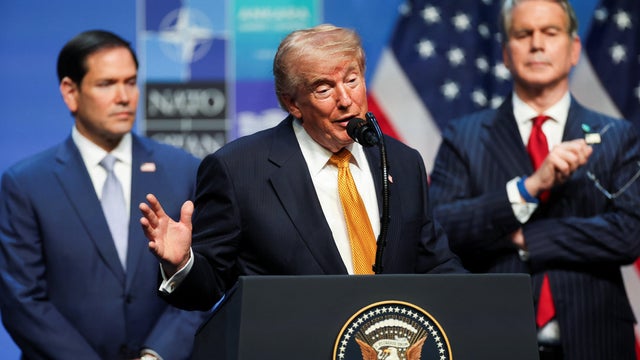
The U.S. began a second night of strikes Wednesday and Iran responded in kind after President Trump declared earlier in the day that the ceasefire was "over."
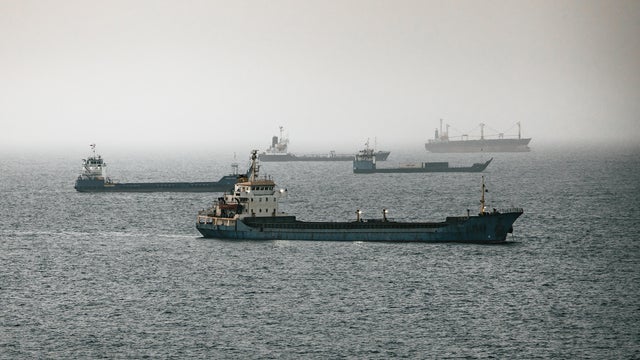
With peace talks on hold, the U.S. said it launched a "series of powerful strikes" on Iran in response to Iranian attacks on three commercial vessels in the Strait of Hormuz.
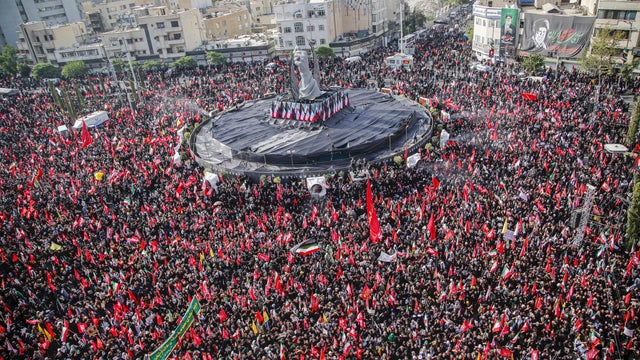
The U.S. is "going to win one way or the other," President Trump said Monday, as Iran held a colossal public funeral for its slain supreme leader.
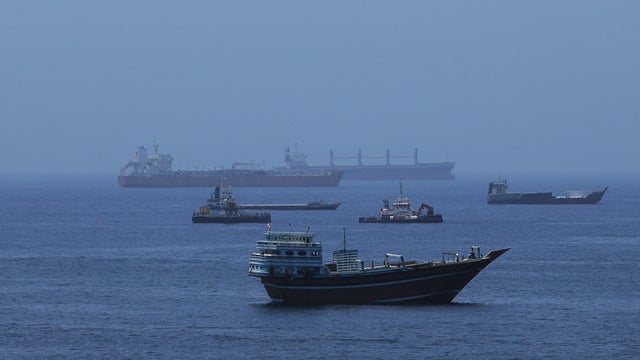
The Islamic Revolutionary Guard Corps struck a cargo ship near Oman on Thursday, further complicating the Iran-U.S. negotiations.

Iran insists there are no plans for inspections of its bombed nuclear sites, but Trump says Tehran "fully and completely" agreed to let inspectors return.
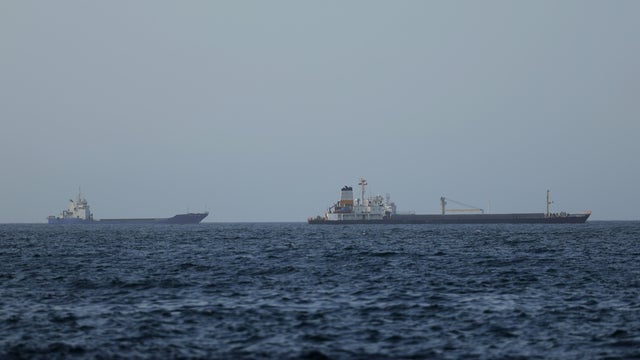
The negotiations were expected to start as soon as this weekend, but Vice President Vance's trip there was put off and Switzerland said the negotiations have been postponed.
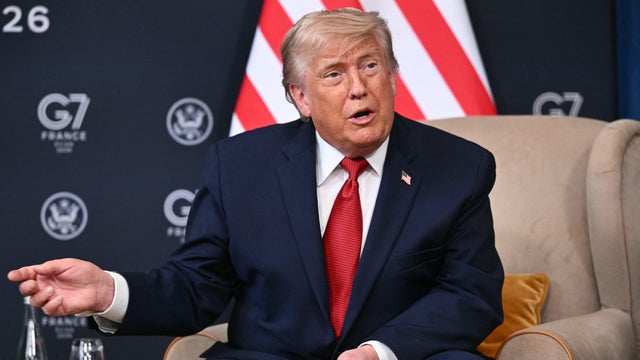
President Trump warned he could order new strikes if Iran's leaders "don't behave." The U.S. and Iran signed the memo of understanding remotely, a White House official said.
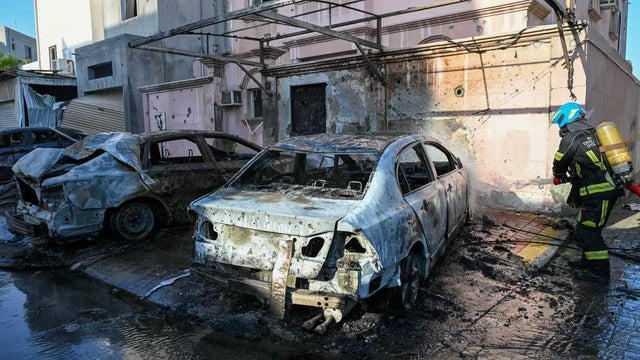
The U.S. and Iran exchanged fire again on Thursday after President Trump pledged Tehran would "pay the price" for not accepting a deal.
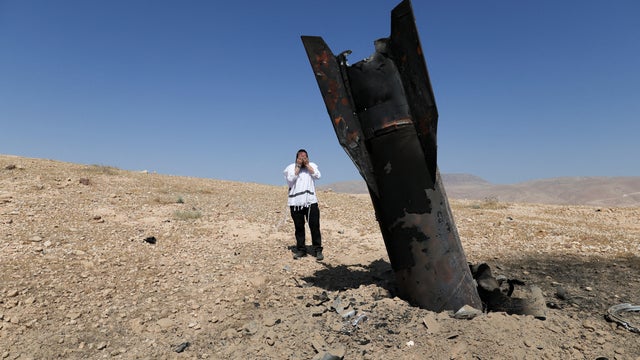
Iran and Israel declare a halt to fighting as President Trump says both are seeking an "immediate ceasefire" after a major escalation in the 101-day war.
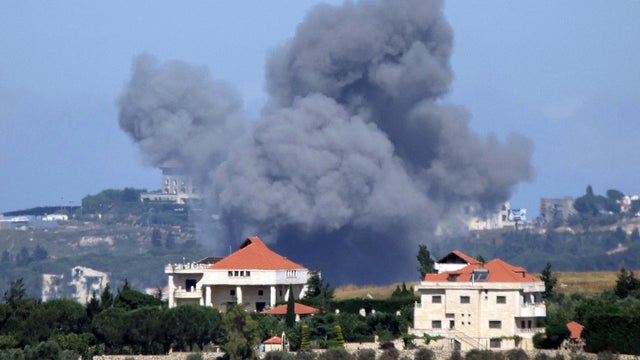
Israel and Iran were firing missiles at each other Monday, endangering the shaky truce that's been in place as well as talks on a deal to end the fighting.
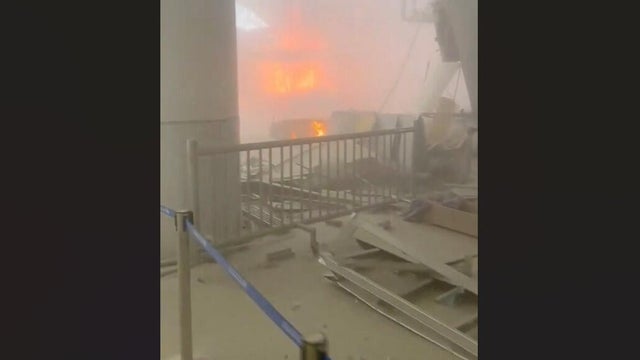
Israel and Lebanon agreed Wednesday to renew their fragile ceasefire and create a number of "pilot" security zones inside Lebanon where Hezbollah would be banned.