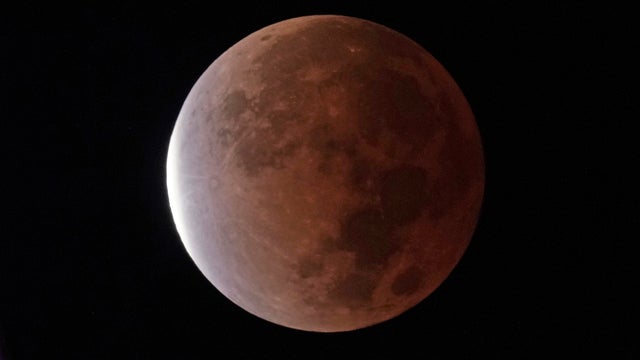
Bay Area astronomy buff describes Thurday's lunar eclipse and what's unique about it
Bay Area skywatchers have an opportunity to view a lunar eclipse Thursday night, with the next one not coming for another three years.
Watch CBS News
Bay Area skywatchers have an opportunity to view a lunar eclipse Thursday night, with the next one not coming for another three years.
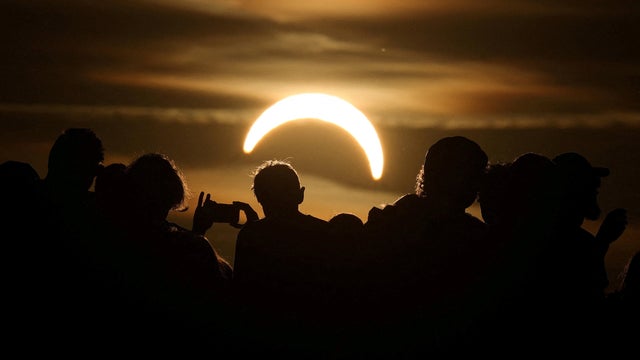
The only total solar eclipse of 2026 crossed the Northern Hemisphere Wednesday, with a path of totality across parts of Greenland, Iceland and northern Spain. See photos and video from the best viewing locations.
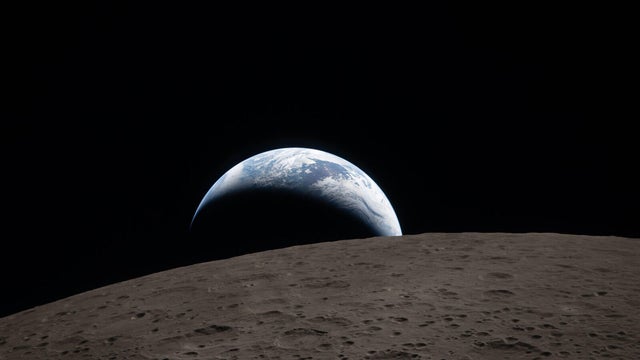
The astronauts aboard Artemis II are the first humans to see some parts of the far side of the moon with the naked eye.
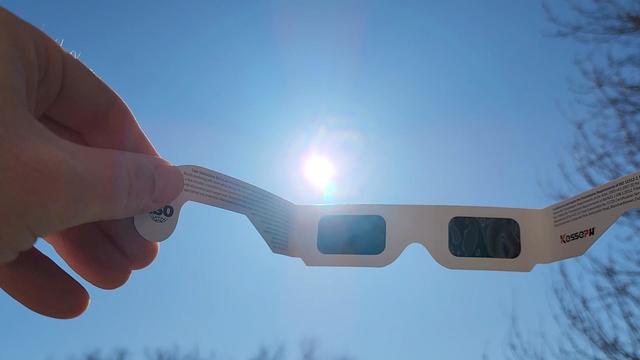
The next solar eclipses where parts of he continental U.S. will experience totality won't be until 2044 and 2045.
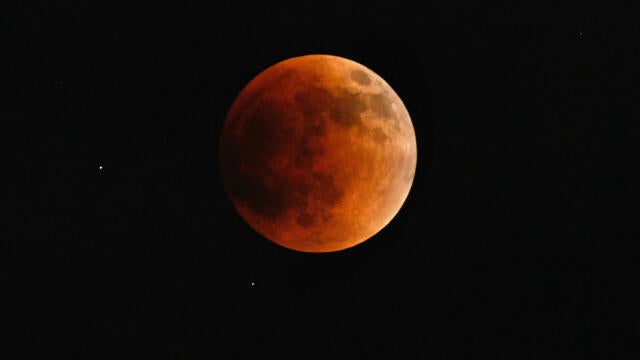
There was an opportunity Thursday night to catch the March 2025 "Blood Moon," a phenomenon that colors the full moon in shades of red, orange and yellow during a total lunar eclipse.
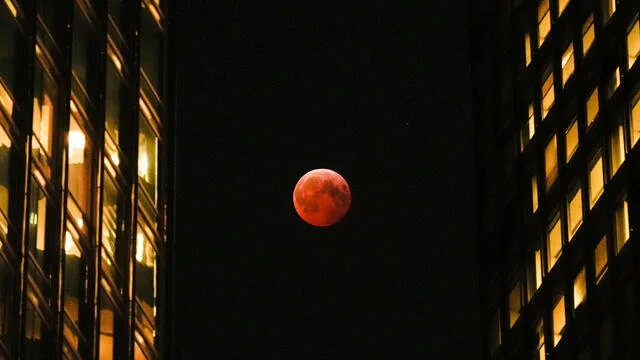
Pictures of the "Blood Worm Moon," a total lunar eclipse, show the full moon looking red in the night sky.
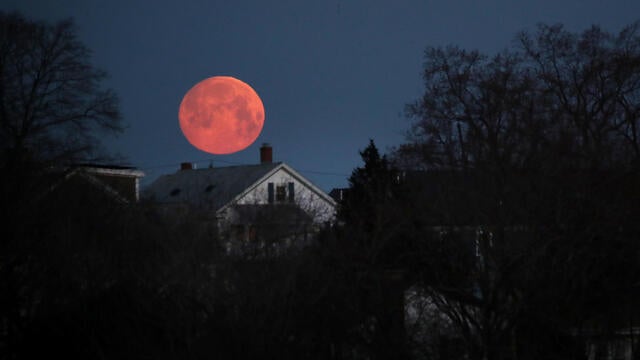
Viewers across North America will get to enjoy a full Blood Worm Moon during a total lunar eclipse on March 13 into March 14.
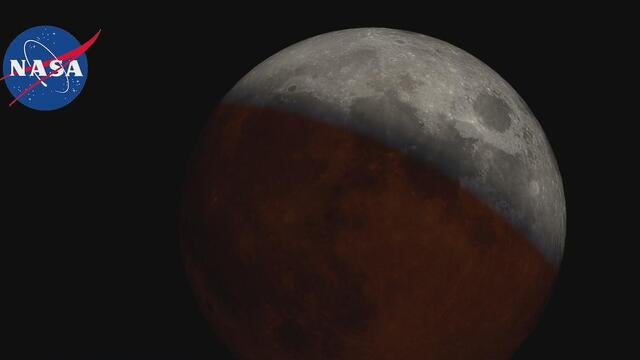
On Thursday night, the Bay Area will see a total lunar eclipse -- also known as a blood moon -- though visibility could be impacted by the expected stormy weather.
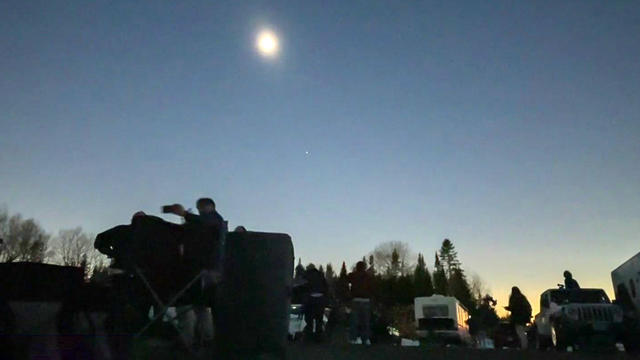
Brian Hackney couldn't resist the opportunity to see a total eclipse even though it meant making a daunting journey. (4-14-24)
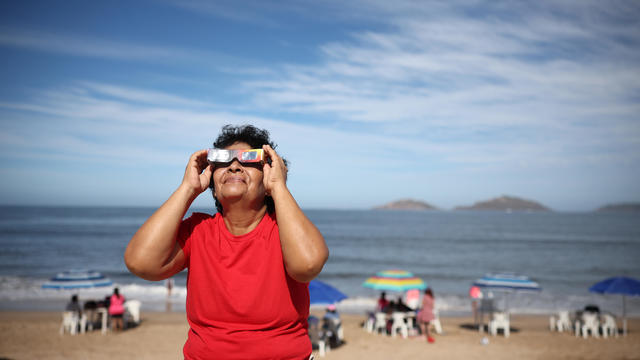
NASA says there are several radiation myths connected to the eclipse.
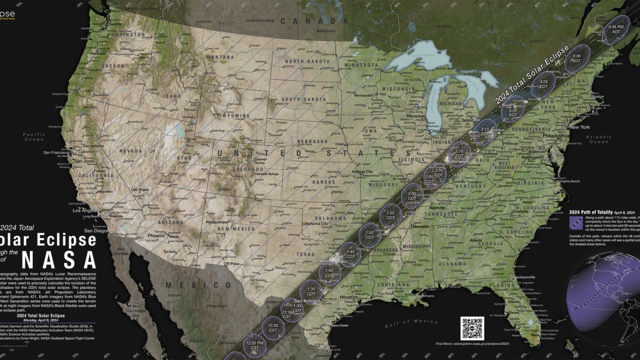
Astronomy fans figuring out where and what time to see the April 8, 2024, total solar eclipse could check out maps showing the path of totality.
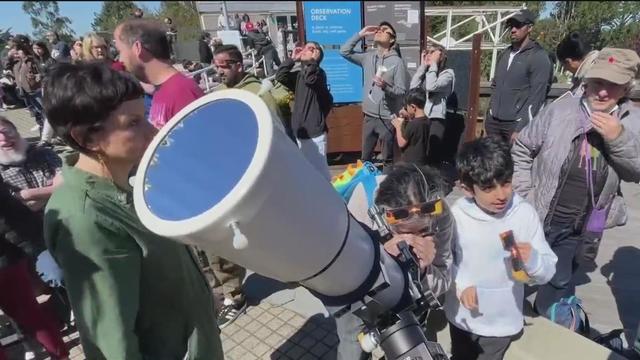
On Monday morning, all across the Bay Area, people took time to look up in wonder as the solar system put on a show. The partial eclipse seen in California drew a large crowds to science centers, including the Chabot Space & Science Center in Oakland.
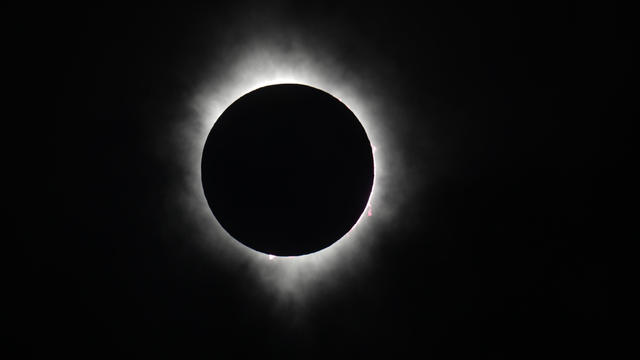
A total solar eclipse darkened skies across the U.S. Tens of millions witnessed it in the "path of totality."
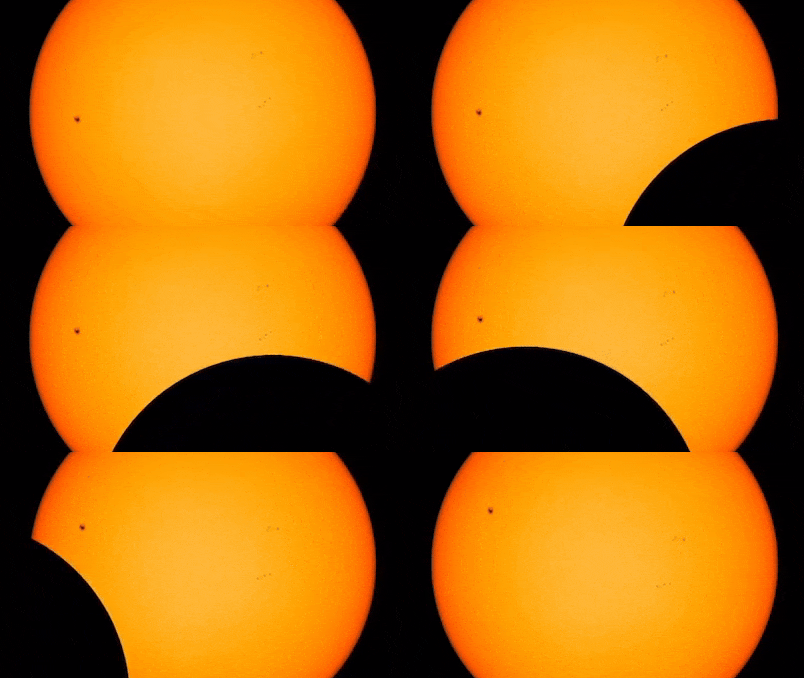
Bay Area residents got to see a partial solar eclipse with the help of clear skies Monday, even though the region was outside the path of totality.
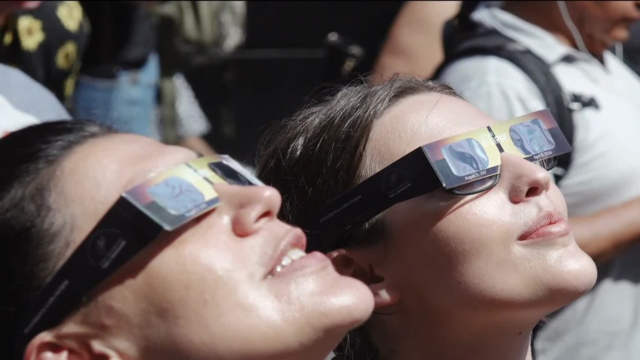
More than 1,000 people gathered at the Exploratorium in San Francisco on Monday morning to get special viewing glasses and watch the partial solar eclipse from the rooftops and plazas.
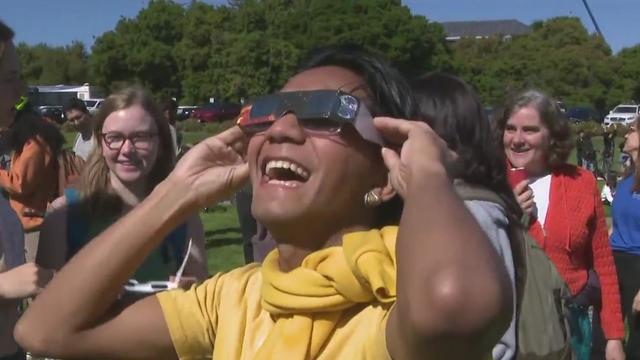
People across the Bay Area looked up Monday to capture a glimpse of a rare partial solar eclipse. Mary Lee and Lauren Toms report. Website: http://kpix.com/ YouTube: http://www.youtube.com/CBSSanFrancisco Facebook: https://www.facebook.com/CBSSanFrancisco Instagram: https://www.instagram.com/kpixtv/ Twitter: https://twitter.com/KPIXtv
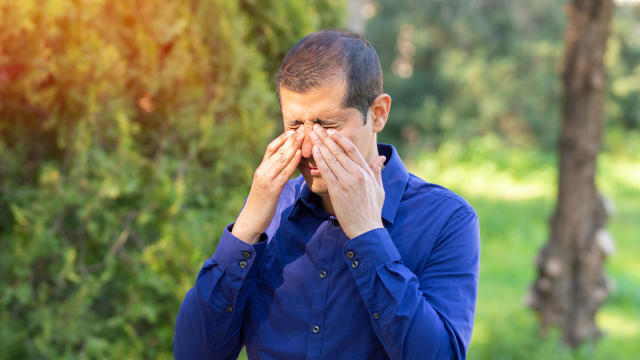
Did you hurt your eyes by looking at the solar eclipse without glasses? Here are signs of sun damage.
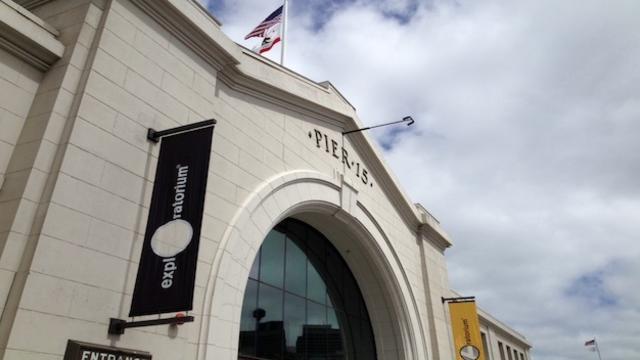
While the San Francisco Bay Area will only see about 30-35% totality during the highly anticipated eclipse Monday morning, there are a number of locations hosting watch parties.
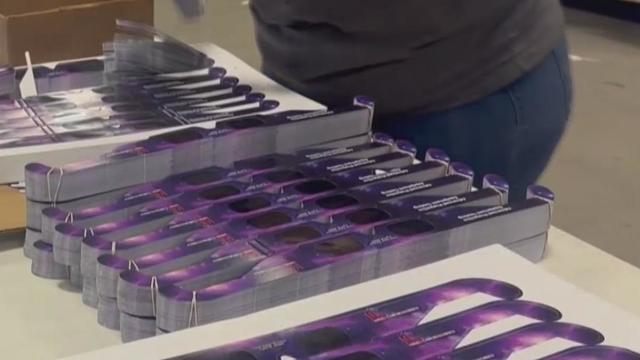
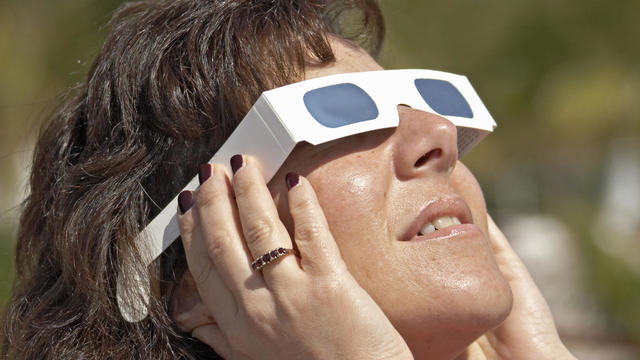
Kaiser ophthalmologist Janet Tsui joins the morning team with safety tips you should keep in mind when watching the solar eclipse, or looking at the sun in general.
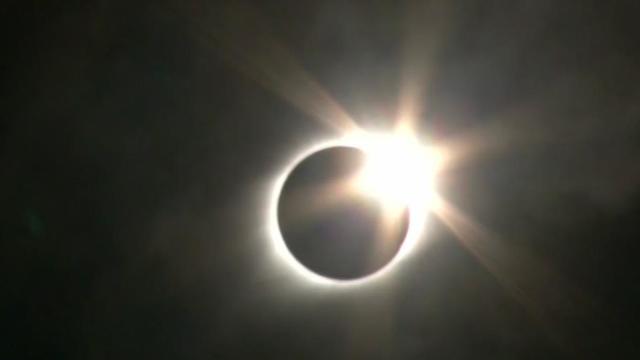
CBS Space Consultant Bill Harwood joins First Alert Meteorologist Jessica Berch to share some facts during the April 8th solar eclipse.
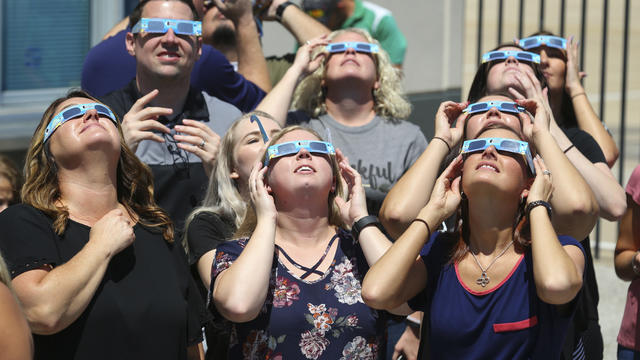
As the 2024 total solar eclipse turns day into night this April, some people will celebrate once-in-a-lifetime moments with their loved ones.
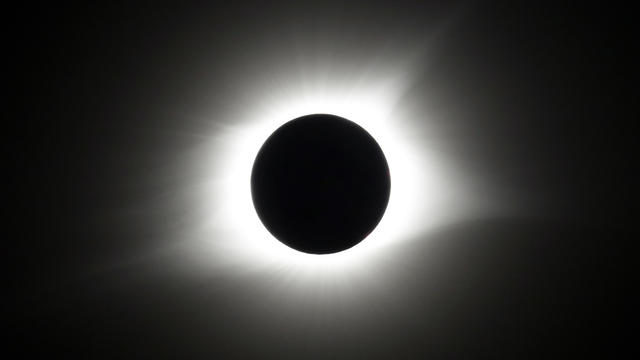
About 31.6 million people live in the path of today's total solar eclipse across the U.S., and millions more will see a partial eclipse. Here's how and where to see it.
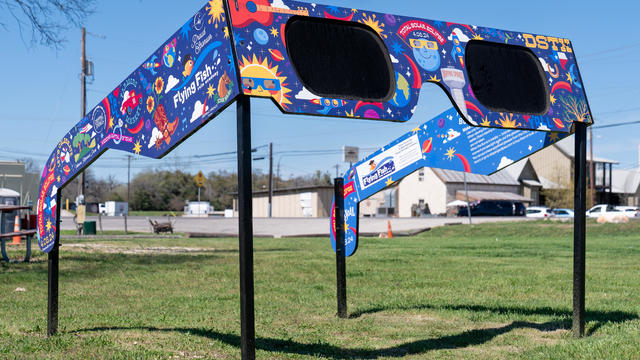
The total eclipse on April 8 will bring an economic boom to cities and towns in more than 12 states, from Texas to Vermont.
Astrology dates back centuries and astrologers who study the stars say that if you feel a little different during an eclipse, there's a reason.
"It's going to be hectic but fun. Go with the mindset that it's going to be busy and pack light," said one aviation expert.