How climate change puts additional strain on first responders job duties
As winter weather continues to become more severe, first responders are adjusting how to navigate their jobs in the face of climate change.
Watch CBS News
As winter weather continues to become more severe, first responders are adjusting how to navigate their jobs in the face of climate change.

In the wake of recent wildfires, a Bay Area lawmaker has introduced a plan that would allow people impacted by fires and other disasters attributed to climate change to sue fossil fuel companies in court. Anne Makovec reports.

Nonprofit groups are working to distribute essential supplies to those impacted by the fires across the Los Angeles area.

President-elect Donald Trump promises to "unleash American energy" by maximizing U.S. oil and gas production. The directive comes at a time when the planet continues to warm, largely due to the burning of fossil fuels, experts say.

Insurance companies are canceling homeowner policies across the U.S. — even in regions that aren't considered climate hot spots.
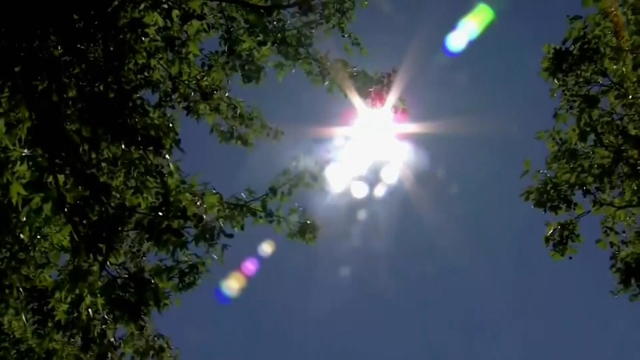
Global temperatures in 2024 soared to yet another record level, but this time it was such a big jump that Earth temporarily passed a major symbolic climate threshold.

CBS News Bay Area meteorologist Darren Peck looks at a new study on "weather whiplash" and how it creates increasingly extreme swings between wet and dry weather.

When it came to protecting Mother Earth, in many respects, the late President Jimmy Carter was way ahead of his time.

Anne Makovec reports on the pioneering environmental efforts made by the late President Jimmy Carter during his term.

Researchers say human-caused climate change dealt people an average of nearly six weeks of extra extreme heat in 2024, while also fueling more destructive storms.

Sara Donchey reports on the efforts being made by Bay Area organizations to slow global warning.

A real-life buried treasure – known as a “Debris Separating Baffle Box” - is seeking to trap the trash before it pollutes critical Bay Area waters, and just in time for the next series of atmospheric rivers.
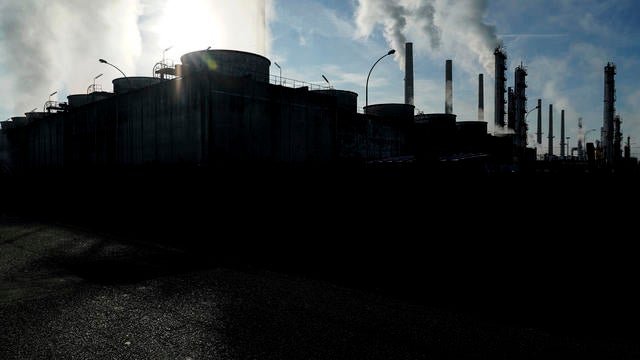
The new goal is part of the Paris Agreement, under which member nations must update their emission cut targets every five years.
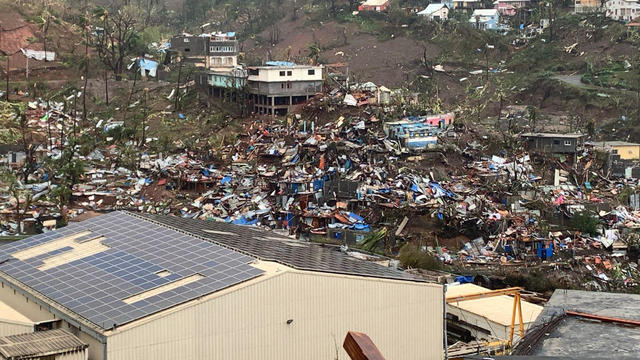
Rescue workers are rushing to the French territory of Mayotte in the Indian Ocean after it was devastated by the powerful Cyclone Chido.

Anne Makovec reports on how activists are trying to get people to reduce the enormous volume of plastic waste produced between Thanksgiving and New Year's Day.
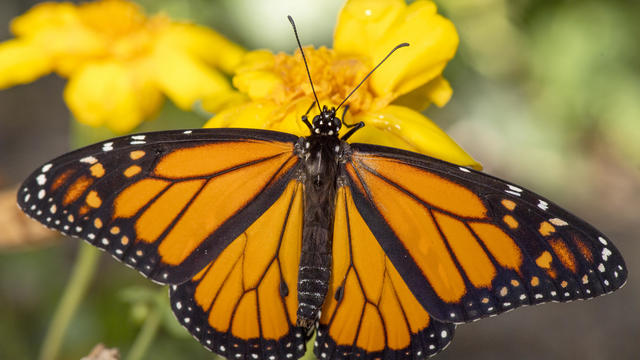
U.S. wildlife officials announced a decision Tuesday to extend federal protections to monarch butterflies after years of warnings from environmentalists that populations are shrinking and the beloved pollinator may not survive climate change.

John Ramos reports on the fight between homeowners in Half Moon Bay and the state over the right to use sea walls to protect properties.

California air regulators voted Thursday to approve stringent rules that would ban the sale of new gasoline cars by 2035 and set interim targets to phase the cars out.

The $300 billion will go to developing countries who need the cash to wean themselves off coal, oil and gas.

The King Tide made its return to the Bay Area on Saturday morning, leaving its mark on some of the sidewalks along the Embarcadero.
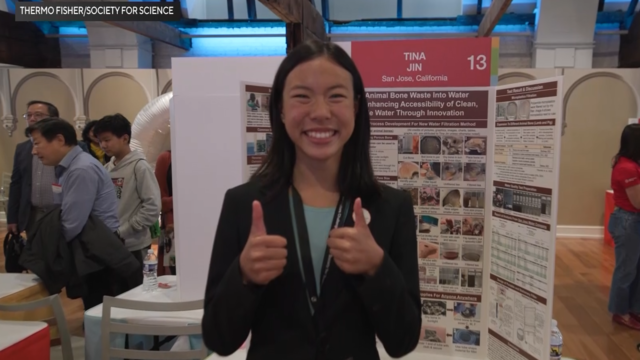
While young people are understandably anxious about the changing climate and warming planet, there's still a sense of optimism thanks to the creativity found in our youth.

The California Air Resources Board voted Friday to approve changes to a key climate program aimed at reducing planet-warming emissions from transportation fuels.

California's push toward cleaner vehicles may be in jeopardy under a second Trump administration.

A bright yellow powder invented by University of California at Berkeley scientists might be the game-changing tool humanity needs to slow the effects of climate change.

Sarah Donchey reports on a covalent organic framework or COF invented by UC Berkeley scientists that extracts carbon dioxide from atmosphere.