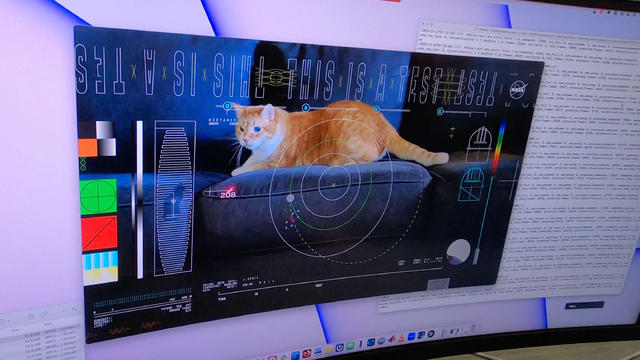
NASA uses laser to send video of a cat 19 million miles back to Earth
NASA, working to send high-bandwidth video and data from deep space to Earth, transmitted a video of a cat named Taters as part of an experiment.
Watch CBS News
NASA, working to send high-bandwidth video and data from deep space to Earth, transmitted a video of a cat named Taters as part of an experiment.
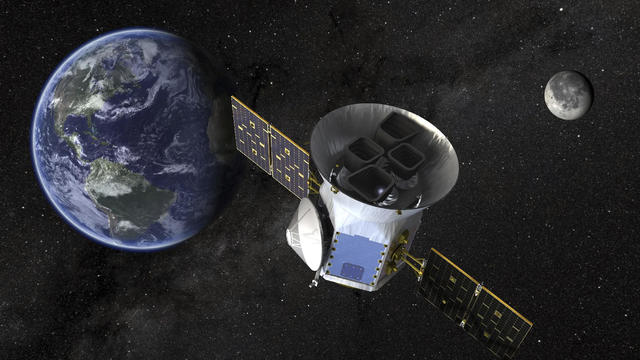
Astronomers have discovered six planets orbiting a bright, nearby star in perfect synchrony like a grand cosmic orchestra.
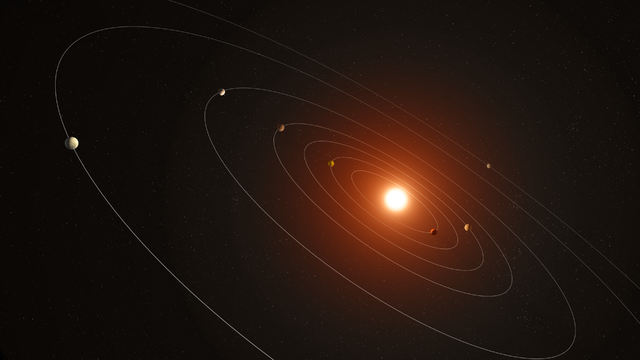
NASA described the planets as "scorching" and "bathed" in heat emitted by a distant host star.
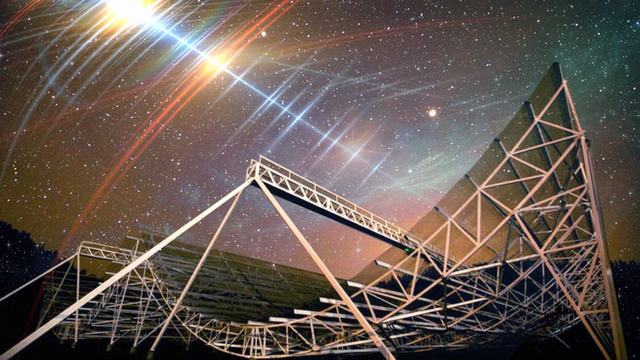
Exactly what causes fast radio bursts has become one of astronomy's great mysteries.
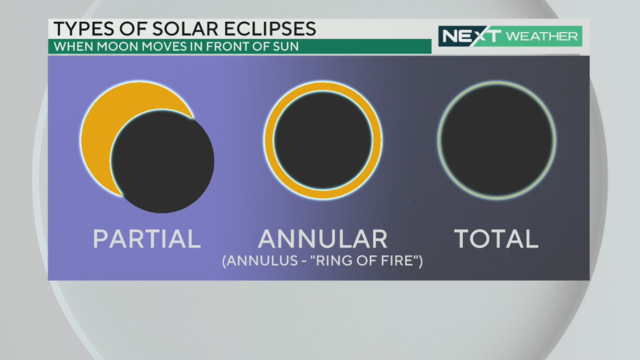
Cloud cover will likely block our chance at viewing a partial solar eclipse in our region Saturday afternoon.
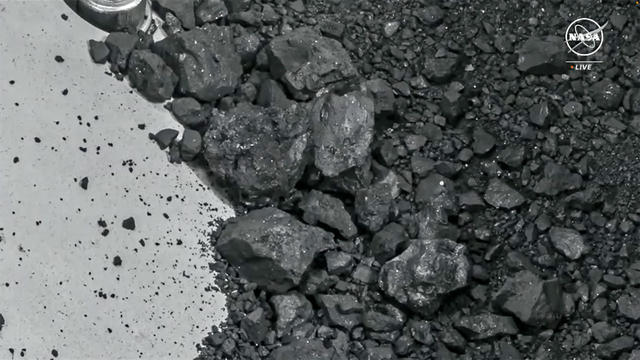
Water-bearing clays found in rocks from the asteroid Bennu support theories about how water may have made it to Earth in the distant past.
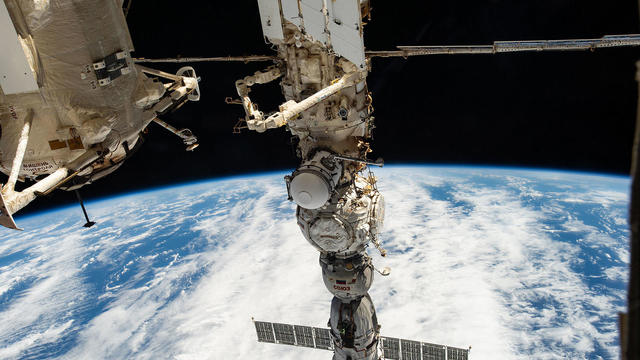
It's the third leak of heat-dissipating coolant on the International Space Station in less than a year, but officials say the crew is in no danger.
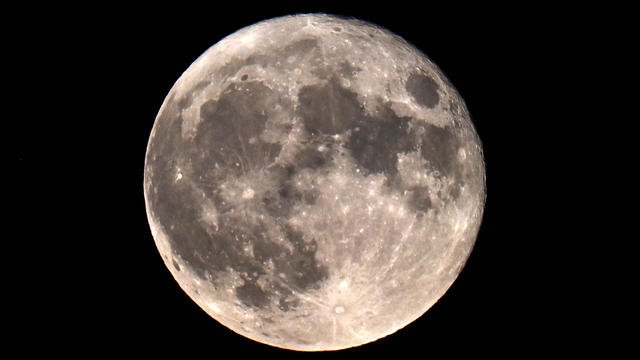
September's full moon, also known as the harvest moon, will be the last of four consecutive supermoons.
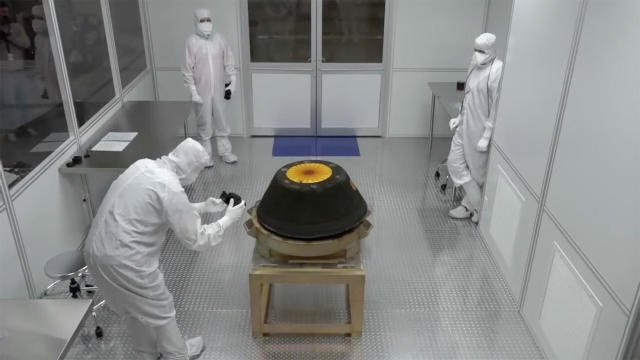
In a dramatic 13-minute plunge back to Earth, the OSIRIS-REx sample return capsule safely landed in Utah after seven years in space.
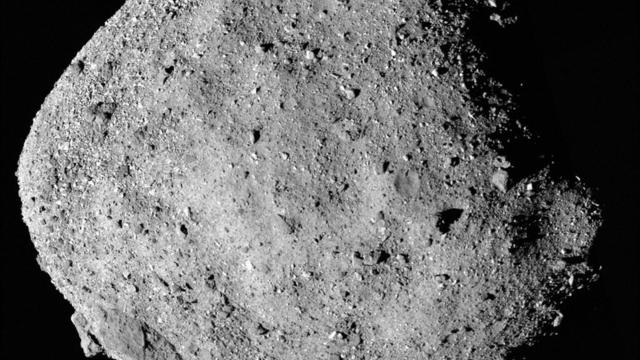
The OSIRIS-REx sample return in Utah will bring a seven-year, four-billion-mile journey to a close, providing insights into the birth of the solar system.
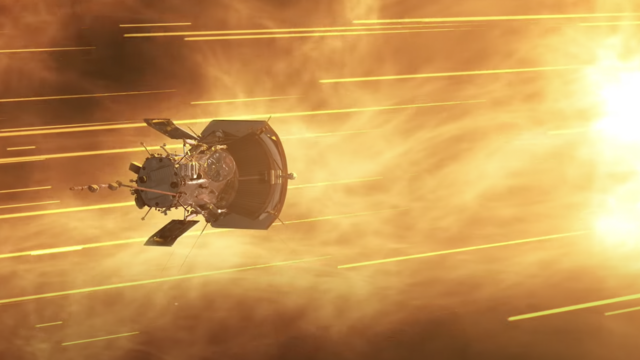
NASA called the Parker Solar Probe's flight "not only an impressive feat of engineering, but a huge boon for the scientific community."
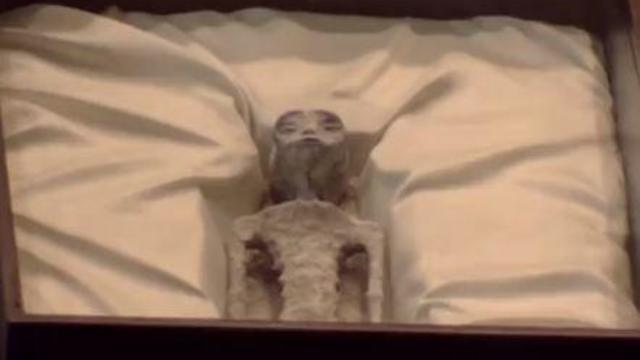
Jamie Maussan, a longtime UFO researcher, was joined in Mexico's Congress by a former U.S. Navy pilot, who later dismissed Maussan's "unsubstantiated stunt."
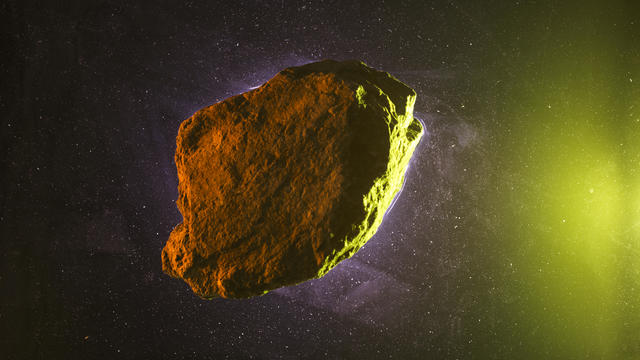
None of the asteroids pose any threat to Earth, according to NASA's Asteroid Watch dashboard.
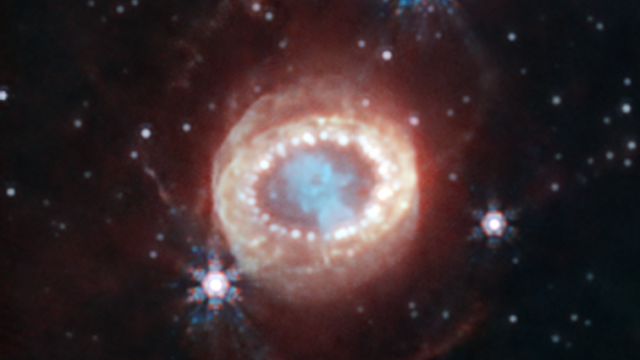
The powerful James Webb Space Telescope revealed "crescent-like structures" within the SN 1987A supernova.
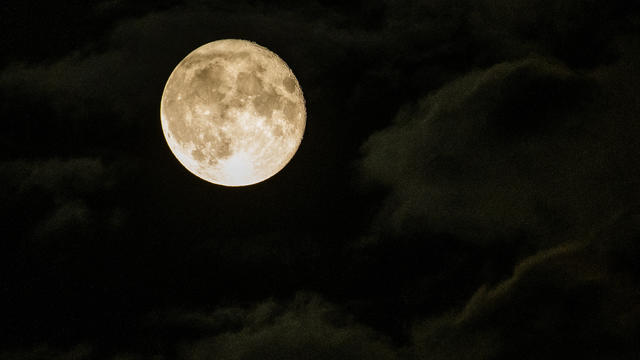
A rare blue super moon will light up the sky Wednesday night. Here's when and where to see it in Philadelphia.
On Aug. 30, you will be able to see the month's second full moon, also known as a blue moon. It will appear bigger and brighter than usual, making it a supermoon, too.

India's successful landing comes just days after Russia's Luna-25, which was aiming for the same lunar region, spun into an uncontrolled orbit and crashed.
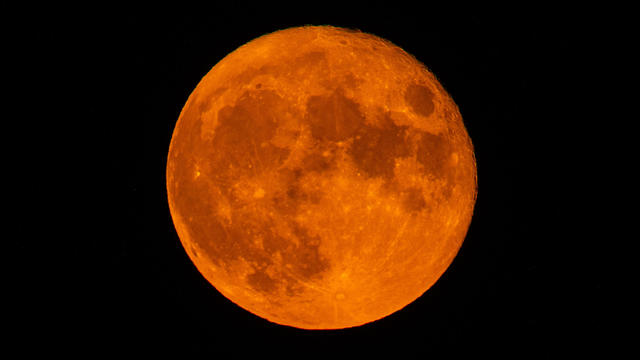
August features a pair of supermoons. The second supermoon will be a rare blue moon.
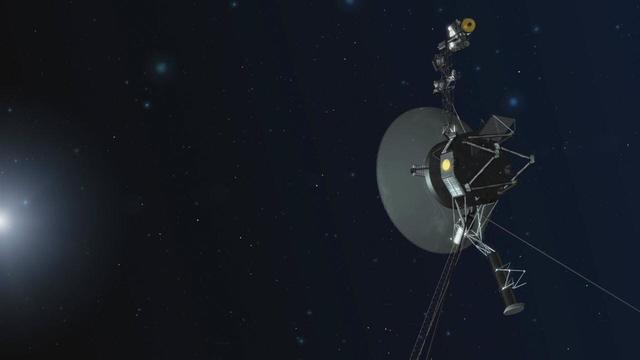
NASA has heard a "heartbeat" from its Voyager 2 spacecraft after a wrong command accidentally cut off communications.
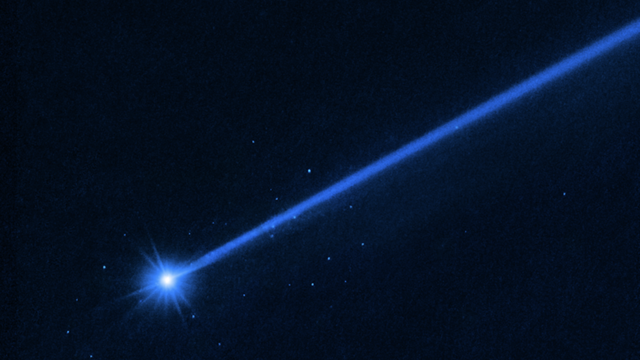
NASA said that redirecting an asteroid could lead to "a cluster of threatening boulders heading in our direction."
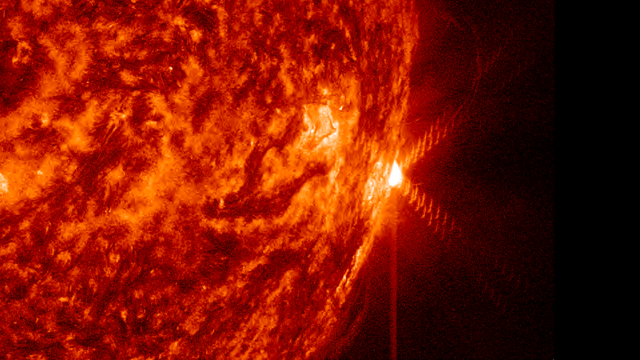
Scientists warn that there could be a powerful solar flare today after flares on Sunday caused radio blackouts.
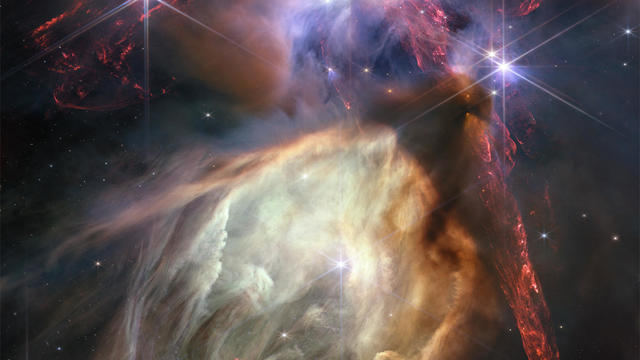
The stellar nursery in the Rho Ophiuchi cloud complex features about 50 young stars, all similar to Earth's sun or smaller.
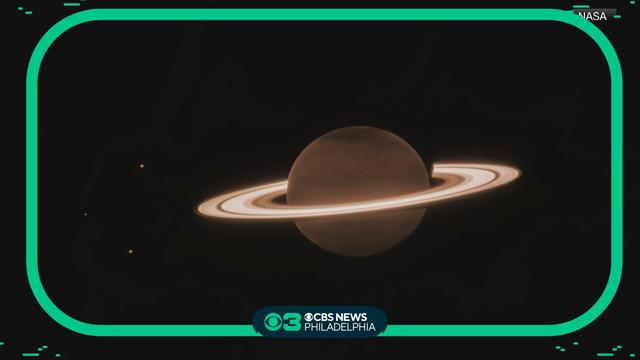
NASA's James Webb Space Telescope has produced perhaps the most spectacular image of Saturn ever. This is the first near-infrared observation of the planet, detailing the planet's ring system, with three of its moons clearly visible.
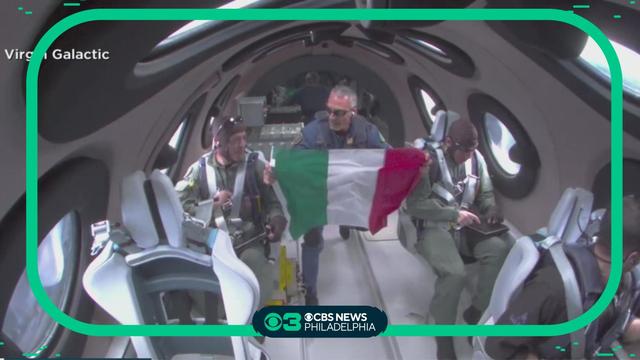
Richard Branson's Virgin Galactic launched its first commercial space flight Thursday, sending three Italian researchers, two company pilots and an astronaut trainer on a high-speed thrill ride to the edge of space aboard a winged rocketplane.
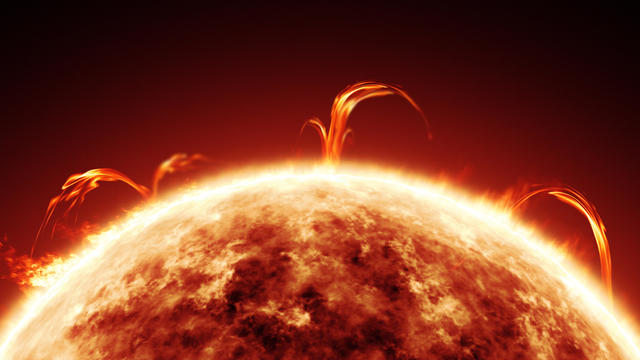
When a major solar storm hit in 1859, "telegraph systems worldwide went haywire." Here's what to know if such an event were to hit today – and how likely it is to happen.