How gene editing could prevent dogs from causing allergic reactions in humans
Scientists are testing a new kind of gene editing in beagles that would prevent them from causing some allergic reactions in humans.
Watch CBS News
Scientists are testing a new kind of gene editing in beagles that would prevent them from causing some allergic reactions in humans.

One year after receiving CRISPR gene editing therapy at CHOP, a Delaware County baby is thriving, and doctors want to expand treatment to others.

One year ago, a baby from Delaware County became the first person in the world to receive a new revolutionary therapy at Children's Hospital of Philadelphia.

Black History Month is poignant for one family after a man got a historic, innovative treatment at Children's Hospital of Philadelphia.
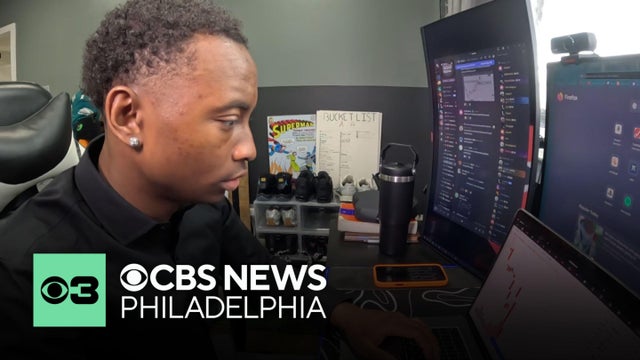
Austin Louis, 20, says the CRISPR treatment he received at the Children's Hospital of Philadelphia for sickle cell disease changed everything, allowing him to live without pain for the first time.
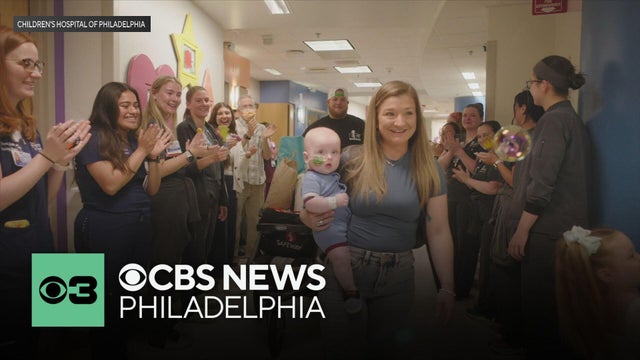
Baby KJ was successfully treated with a customized CRISPR gene editing therapy by a team at Children's Hospital of Philadelphia and Penn Medicine in a historical medical breakthrough. Now after over 300 days in the hospital, they get to come home.
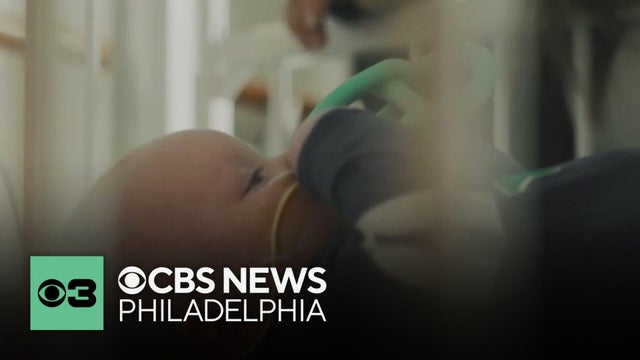
The CRISPR gene editing therapy has been used for other diseases like sickle cell, but this is the first time it's been customized for one patient.
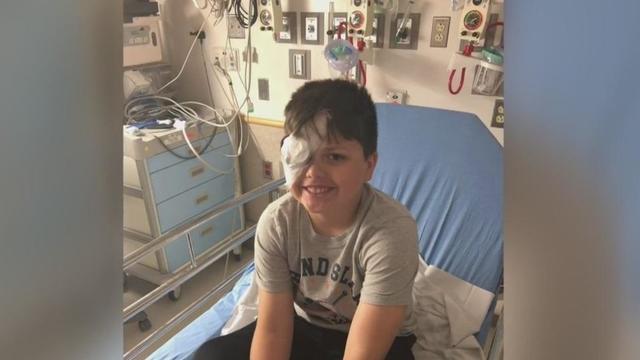
A first-of-its-kind genetic treatment at Children's Hospital of Philadelphia is restoring and improving vision.
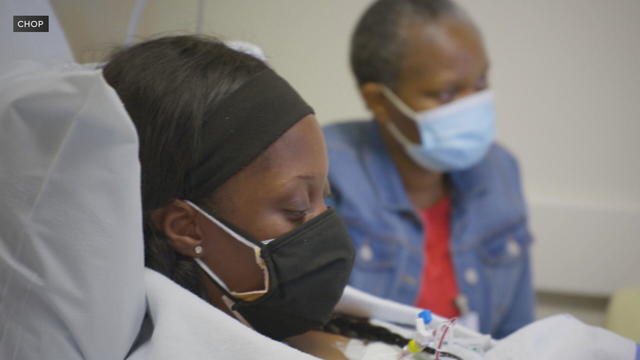
CHOP pioneered a gene therapy that's already helping patients who have sickle cell disease, an inherited blood disorder.

The FDA recently approved the first gene therapies to treat patients with sickle cell disease, an inherited blood disorder. Children's Hospital of Philadelphia helped pioneer the treatment, which experts say is a "real gamechanger" for this disease, which mainly affects people of color.