
Polaris Dawn crew conducts first all-civilian spacewalk
The spacewalkers tested new SpaceX-designed pressure suits that could eventually be used by civilian astronauts on the moon and Mars.
Watch CBS News
The spacewalkers tested new SpaceX-designed pressure suits that could eventually be used by civilian astronauts on the moon and Mars.
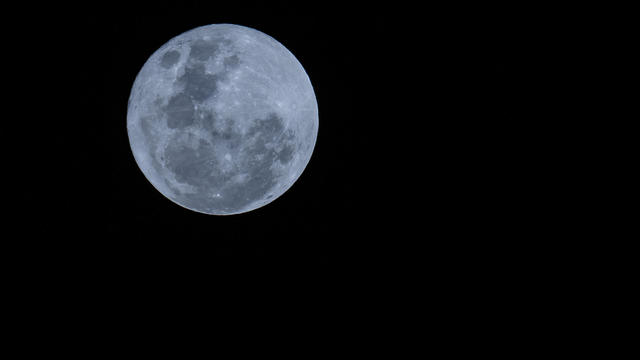
August's full moon, a rare blue moon and supermoon, is lighting up the night sky this week. Here's what time it peaks and where you should look.
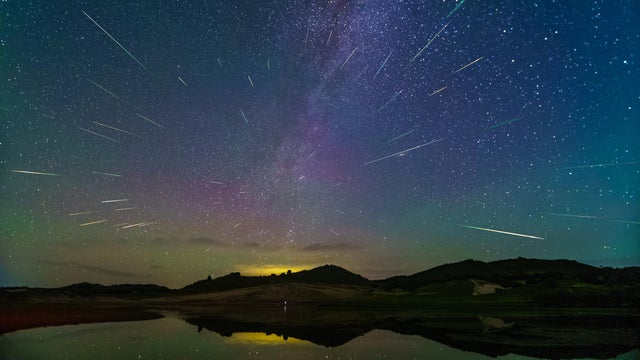
The Perseid meteor shower peaked in the night skies of Sunday into Monday, giving astronomy fans one of the best shows of 2024 as they looked to the skies.
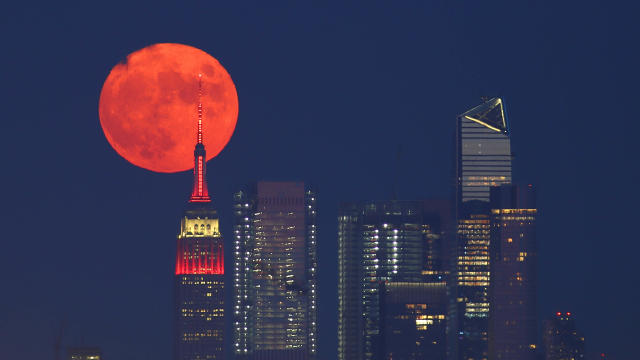
The full moon, also known as the Thunder Moon, will last three days, peaking on Sunday morning.
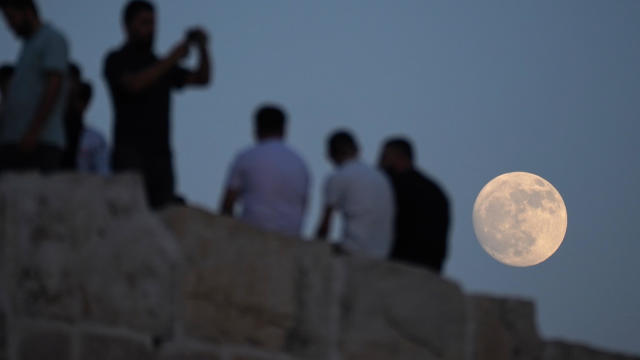
June's Strawberry Moon is arriving along with the start of summer.
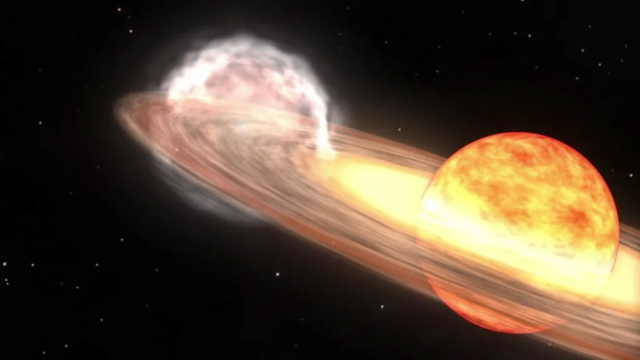
A dramatic cosmic explosion is expected this summer. NASA says the event will be visible to even the naked eye.

William Anders, who snapped one of the most iconic images of the space age, was killed when his small plane went down off the coast of Washington state.
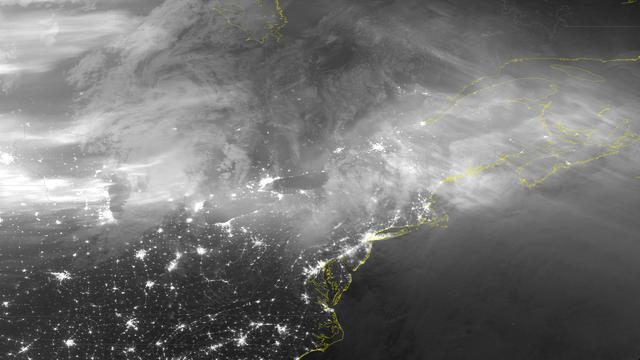
Millions of Americans looked to the night sky and snapped magical photos and videos of the northern lights this past weekend during the momentous geomagnetic storm.
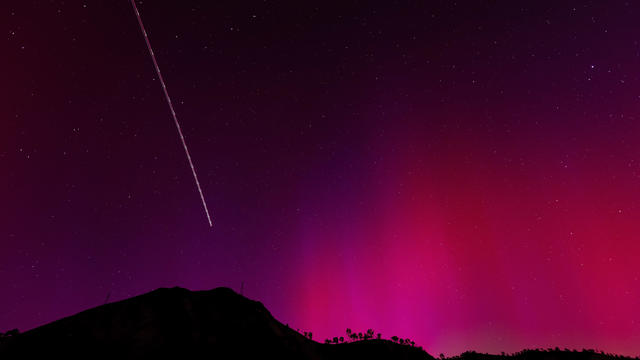
The forecasted conditions come after a weekend of jaw-dropping northern lights seen as far south as Florida and as "magnetically complex" sunspots bigger than Earth continue to emit solar flares.

The sunspot responsible for the odd series of strong solar flares is so big you can see it with your own eyes from Earth.
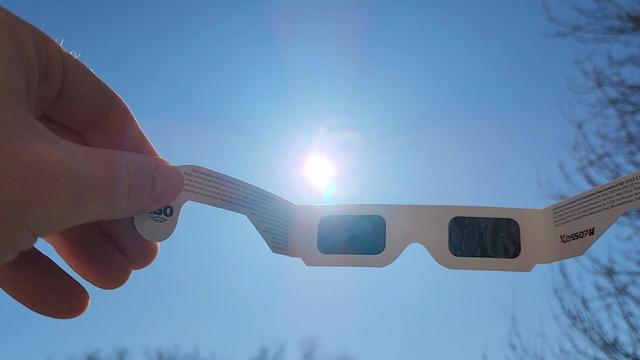
The next solar eclipses where parts of he continental U.S. will experience totality won't be until 2044 and 2045.

Total solar eclipses are rare. This list shows the history of the phenomenon in the United States.
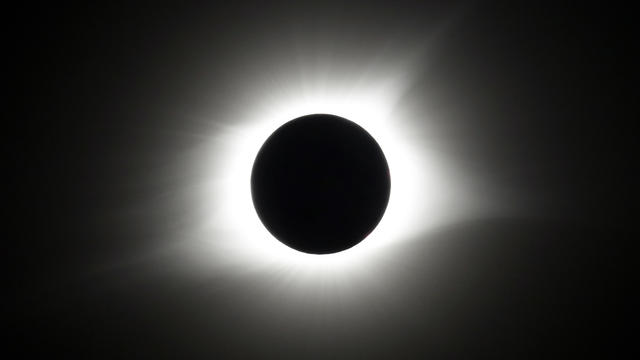
Astrology dates back centuries and astrologers who study the stars say that if you feel a little different during an eclipse, there's a reason.

The total solar eclipse will be visible along a 2,500-mile path. Meteorologists are closely monitoring the latest models, but historical data suggests those hoping to view the corona and see a fully darkened midday sky may find themselves dodging clouds due to April weather patterns.
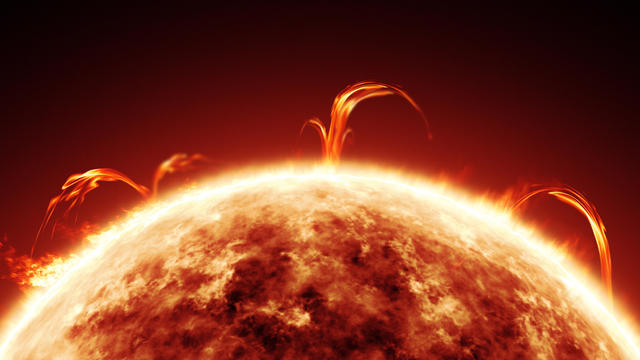
NOAA said people as far south as Alabama may have seen the northern lights and that the sun could expel the strongest type of solar flares over the next few days.
