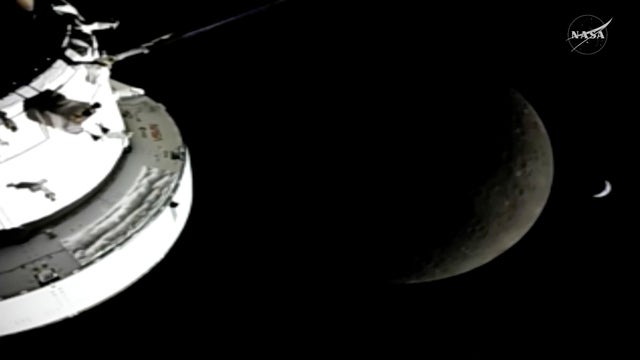
Artemis II crew on path back to Earth after historic trip around the moon
The Artemis II crew flew farther from Earth than any humans in history as they passed over the far side of the moon on Monday night.
Watch CBS News
The Artemis II crew flew farther from Earth than any humans in history as they passed over the far side of the moon on Monday night.
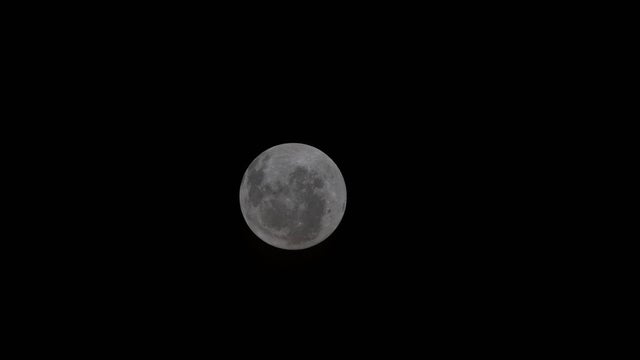
The crew of NASA's Artemis II mission captured a new image of the far side of the moon, which the agency released Sunday.

Amid ongoing toilet trouble, the Artemis II astronauts reflected on the wonder of sailing through deep space to the moon.
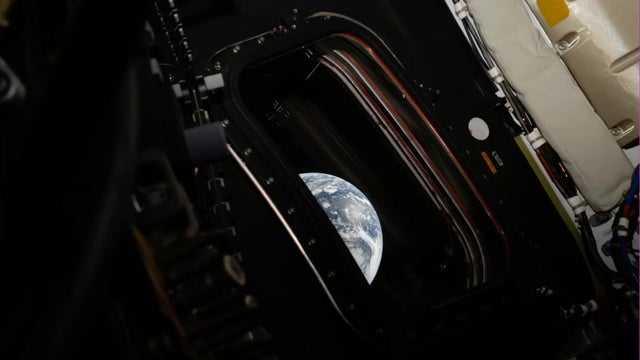
The photo shows the entire planet, as well as the Northern and Southern lights.
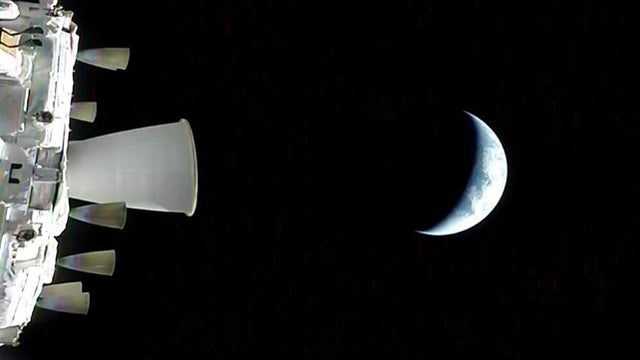
The engine firing provided a slingshot-like boost to the Orion capsule, speeding it to 24,500 mph, the velocity needed to break free of Earth's gravitational clasp for a trek to the moon.
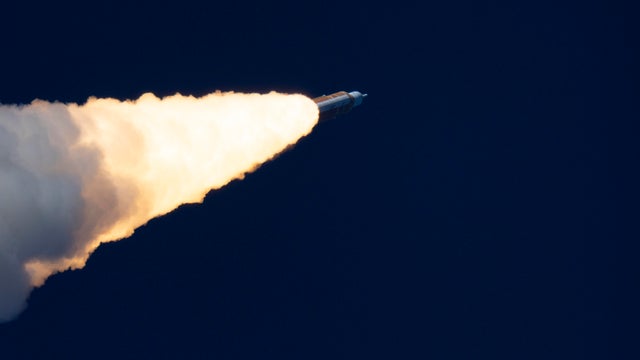
NASA's Artemis II astronauts will spend about 24 hours orbiting the Earth and running checks on their spacecraft and life support systems before heading to the moon.
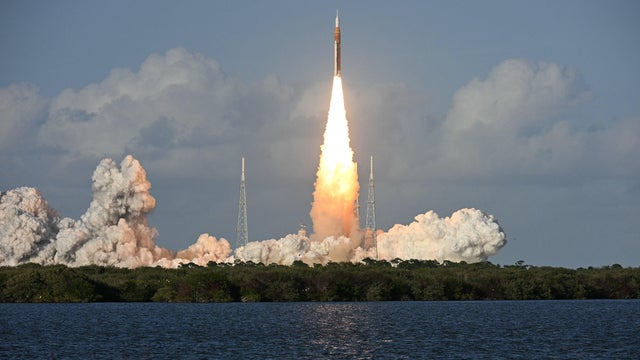
NASA's Artemis II astronauts launched on a nine-and-a-half-day mission around the moon and back.
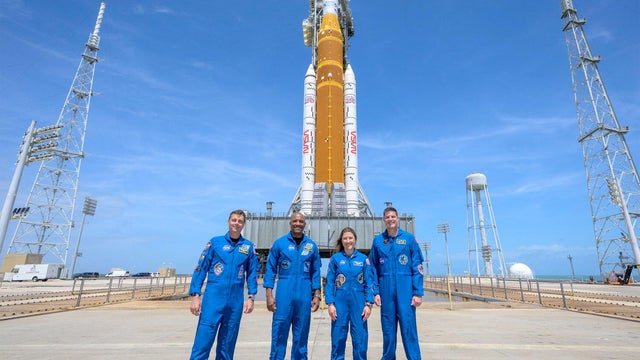
Forecasters continue to predict an 80% chance of favorable weather on Wednesday for the launch of four astronauts on a flight to the moon.
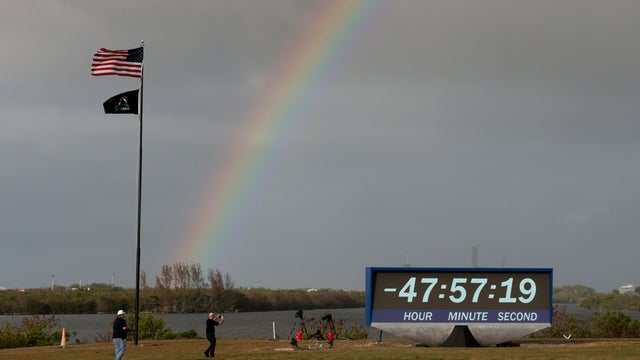
Countdown clocks began ticking Monday, setting the stage for launch of the Artemis II moon mission early Wednesday evening.
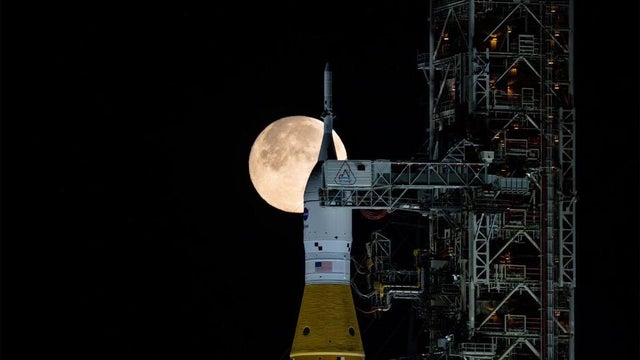
NASA launched four astronauts on a historic nine-day trip around the moon and back. Here's everything to know about the Artemis II mission.
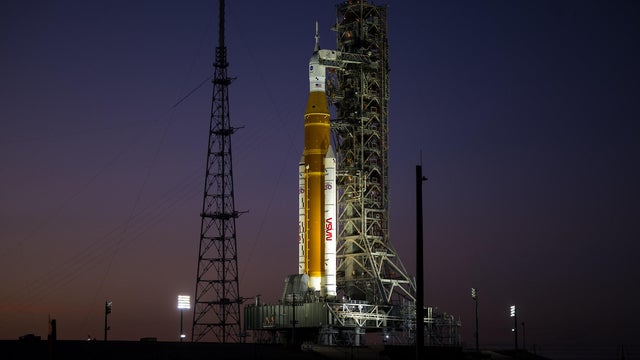
The countdown to launch of the Artemis II crew's flight around the moon begins Monday at the Kennedy Space Center in Florida.
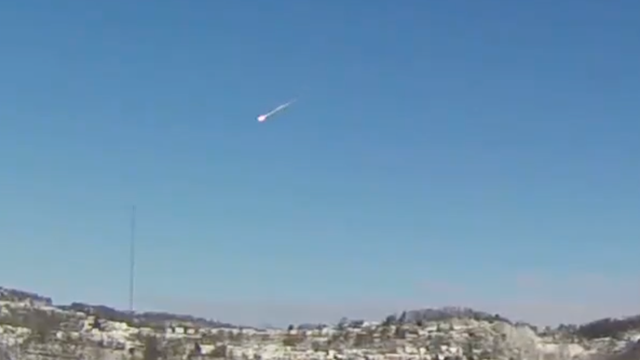
Some residents immediately feared the sound was an explosion, according to CBS affiliate WOIO, but weather service officials say it appears to have been a meteor.
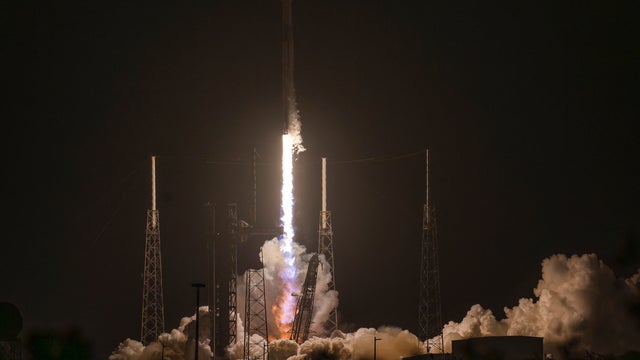
The two-woman, two-man crew is replacing four other station fliers who came home early last month due to a medical issue one was having.
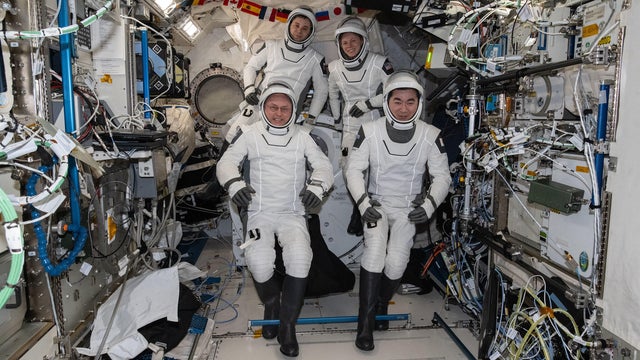
Four space station Crew 11 fliers splashed down off the Southern California coast at 3:41 a.m. ET, closing out a 167-day stay in space cut short by a medical issue.
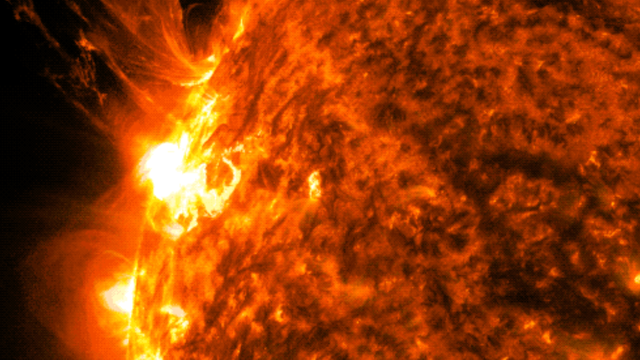
Solar flares and other activity can disrupt radio communications, power grids and navigation signals, according to NASA.
