Paternal postpartum depression is real, doctors say, and treatable. Here's how.

A new baby gets all the attention, as they should. Eventually, the focus turns to mom, and then to dad.
As CBS News New York's Cindy Hsu reports, some fathers may suffer from a form of depression that is treatable.
Mental health experts say 1 in 10 men suffer from paternal postpartum depression, and it is not a sign that you don't love your baby or partner. The symptoms in men usually occur during the first year after the baby is born, and they're at higher risk if the mother is suffering from postpartum depression.
"What was happening was not OK"
Todd Adest said he is living his best life as father to three sons, ages 5 to 19, but admits the earliest days were difficult and scary.
"There's a lot of fear, there's a lot of anxiety, there's a lot of emotion, all wrapped up in one and, you know, when the adrenaline comes down, it comes down pretty hard," he said.
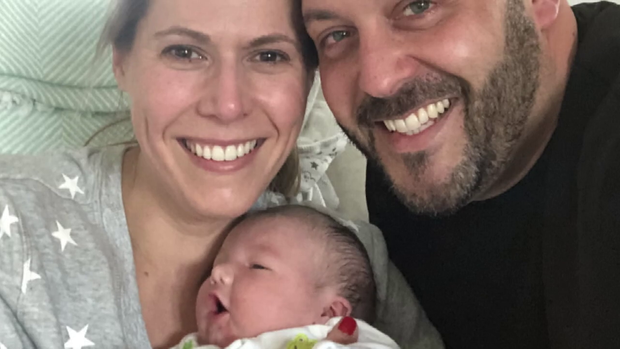
Adest said he now understands he was dealing with a form of paternal postpartum depression. For him, having a new baby as the center of attention presented an uncomfortable emotional challenge.
"It takes away from intimacy. It takes away from affection, takes away from connection, and that's a really difficult thing to navigate," Adest said. "I don't want to use the word jealous, but you could be a little jealous of a newborn baby."
He said he was struggling to establish his place within his new family, adding trauma he experienced earlier in life likely exacerbated feelings of anxiety and depression.
"What I recognized is those sleepless nights were not because the baby was up crying," Adest said. "What was happening was not OK."
How postpartum depression affects fathers
Dr. Brett Biller, a psychologist at Audrey Hepburn Children's House at Hackensack University Medical Center, says though there is little data for paternal postpartum depression, it's very real.
"It's depression that we see during that time after birth, and it looks a little bit different between men and women," Biller said. "Men also experience hormonal changes leading up to birth, and after the birth of a child, we see a decrease in testosterone in men. We see an increase in estrogen and cortisol. The cortisol helps increase the father, the male caregiving and support."
Biller added there can also be an impact on the child.
"We see language development is slower in their children, emotional development is impacted. We see behavior problems, emotional problems that are correlated to that perinatal depressive period," Biller said. "There's a lot of stress, because as males [we] want to be supportive, want to be caregivers, and the system is set up, really, to support women."
However, Biller says as the condition becomes more recognized, so is the availability of help.
"Whether it's medication, talk therapy, or both, there's nothing wrong with that. Mental health difficulties are the same thing as physical difficulties, and there's a correlation between the two," Biller said.
"I knew happiness was out there"
Adest said, most importantly, he is grateful for the love and support he shares with his family.
"Hope came from understanding that I wasn't alone, that there were people who had been through what I was experiencing, and that there was support," Adest said. "I knew happiness was out there, and now I'm happy."


