First otter spotted along the Bronx River in 100 years makes a splash with conservationists

A North American river otter was seen along the Bronx River for the first time in 100 years, according to wildlife experts.
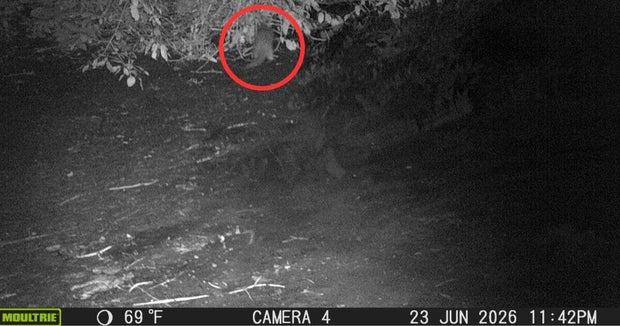
The animal was spotted by a motion-activated camera in June.
The camera was overseen by the Wildlife Conservation Society Bronx Zoo.
It's the first time an otter has been seen in that location since the early 1900s. The sighting shows conservation and restoration are transforming the waterway, wildlife officials said.
"When I first reviewed the images, I could hardly believe what I was seeing," said RJ Hawkins, the scientist who positioned the camera. "Knowing this may be the first documented river otter in the Bronx in generations was an incredible moment. It shows why long-term wildlife monitoring and environmental restoration efforts matter."
River otters used to be found throughout New York's waterways but disappeared due to pollution, habitat degradation and unregulated trapping. They are considered indicators of healthy freshwater ecosystems because they depend on clean water, abundant fish and river habitats, wildlife officials said.
Hawkins has been monitoring the Bronx River since 2024 through a project with the education department at the zoo. The cameras are designed to attract minimal attention and create as little disturbance as possible. He says the otter spotted appeared to be a juvenile.
"Otters are an indicator of freshwater ecosystem health. And so the fact that we haven't seen otters in a long time shows that the Bronx River was polluted and it wasn't healthy enough for them to sustain otter population," he said. "Community members and nonprofits like the Bronx River Alliance, that all came together and did all this really hard restoration work and protecting the Bronx River to get it to a state that now it's healthy enough to have these otters here."
Craig Piper, director of the WCS Bronx Zoo, said the work to provide cleaner water and a healthier habitat has paid off.
"It's a win for both wildlife and people," he said.
The river has long been regarded as one of the country's most neglected, but it continues to recover. Experts said beavers returned to the river in 2007 for the first time in more than 200 years.
"It is a powerful example of how healthy urban rivers can once again support the wildlife that historically called them home," WCS said in a statement.
Researchers caution that a single observation doesn't indicate a resident population, but it shows the river is capable of being hospitable to wildlife that has been absent.
"People can coexist with these great animals," said Hawkins.


