NYC Open Streets program is discriminatory, disability advocates say in lawsuit

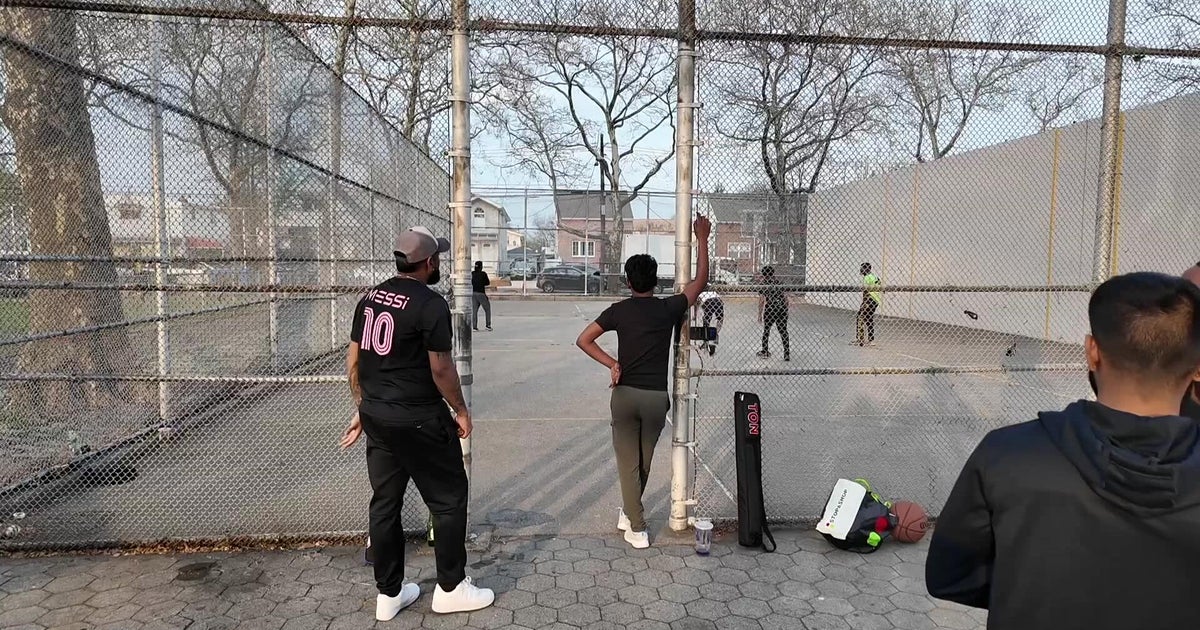
New York City's Open Streets program is intended to give residents more access to public spaces, but one group says it has the opposite effect.
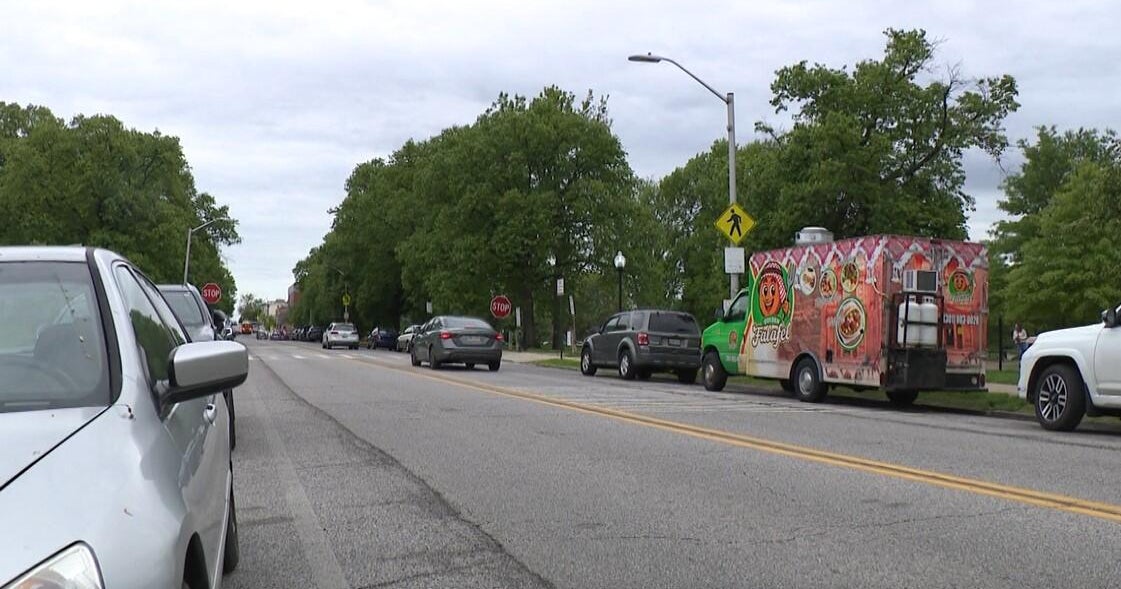
Under the program, certain roads are temporarily closed to some or all vehicular traffic, and some say that makes it harder for people with disabilities to get around.
A judge is now deciding whether a lawsuit will move forward or be dismissed after hearing arguments from both sides on Thursday.
"You don't have to close down streets that are vital to disabled people"
In the lawsuit, advocates claim the program discriminates against people with disabilities. They cite instances of planters blocking curb cuts, and metal barriers and concrete blocks blocking access for ambulances and Access-a-Ride vehicles.
"We can't even pull our cars to get our sick people out to take them to doctors," one person said.
"My aging 87-year-old husband who uses a wheelchair cannot get out of that wheelchair," Brooklyn resident Sandy Reiburn said.
"You don't have to close down streets that are vital to disabled people," said another man who uses walking sticks.

"We have no access to five bus stops on Saturday on a main street that they have closed off with somebody playing chess in the middle of the street. The absurdity," Upper West Side resident Maxine Deseta said.
Attorneys for those suing say because of the program, some impacted individuals "have become forced shut-ins."
"This case is about ensuring equal access to all New Yorkers to government programs, facilities and services," attorney Matthew Berman said.
"It's one of those things that needs to be inclusive," attorney Yolande I. Nicholson said.
Attorneys argue there's no unfair treatment under program
A City Hall spokesperson says the program gives New Yorkers better access to open spaces.
"For many New Yorkers - including our seniors and individuals with disabilities - Open Streets improves safety, enhances accessibility, and promotes greater equity," the spokesperson said in a statement, in part.
In its motion to dismiss, attorneys for the defendants argue the plaintiffs are criticizing the program as a whole and don't have a clear claim under the Americans With Disabilities Act.
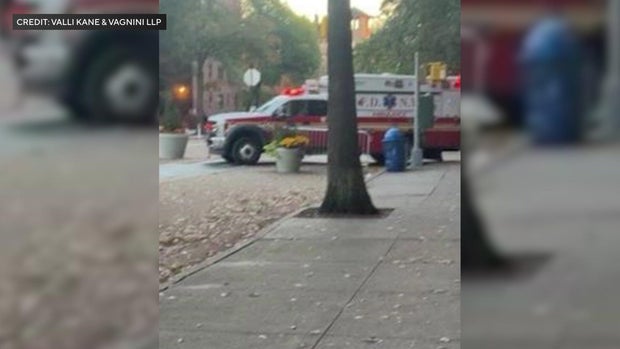
In response to the allegations that ambulance response time is slowed by temporary barriers and other issues, attorneys said, "These alleged harms, even if they are true, would apply equally to individuals with disabilities as to those individuals without disabilities, and do not demonstrate a lack of even-handed treatment."
"It is not responsible to ensure that every single existing street must be accessible 24 hours a day and 7 days a week by vehicle," attorneys added.
Both sides will now wait to see whether a judge allows the case to continue.