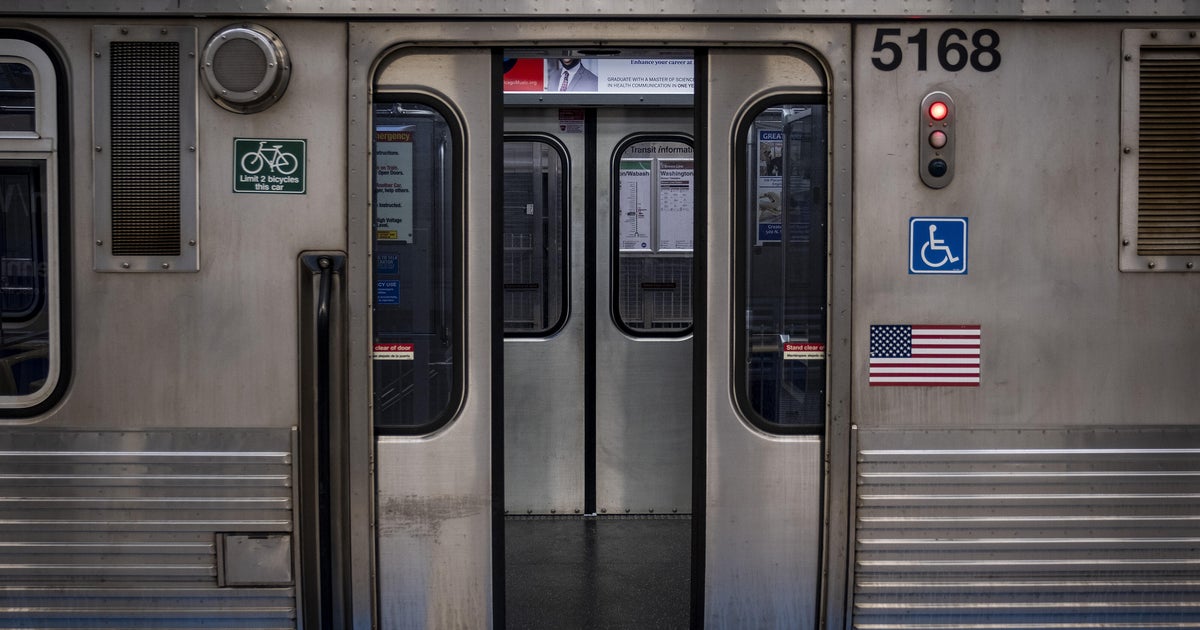
Warning issued for possible measles exposure on NJ Transit, PATH trains
New Jersey health officials are issuing a warning about a possible measles exposure on NJ Transit and PATH trains.
A Hudson County resident who was diagnosed with measles used public transportation while potentially infectious, the New Jersey Department of Health announced Friday.
Commuters who traveled on the following routes during the listed dates and times may have been exposed to measles:
- NJ Transit Hudson-Bergen Light Rail, 8th Street, Bayonne to Hoboken branch
Aug. 13, 14 and 15 between 9-11:30 a.m. and 6-9 p.m. - 8th Street Light Rail Station in Bayonne
Aug. 13, 14 and 15 between 9-11 a.m. and 7-9 p.m. - PATH Newark – World Trade Center Line
Aug. 13, 14 and 15 between 9:15-11:45 a.m. and 5:45-8:30 p.m. - Exchange Place Station in Jersey City
Aug. 13, 14 and 15 between 9:15-11:45 a.m. and 5:45-8:30 p.m.
Anyone who was infected during those time periods could develop symptoms as late as Sept. 11.
Health officials said the Hudson County resident tested positive for the virus after having close contact with an individual from out of state who was also diagnosed with measles.
This is the seventh confirmed case of measles in New Jersey so far this year. According to the health department, there were seven measles cases total in 2024.
Measles symptoms and what to do if you think you're sick
According to the health department, measles symptoms include a high fever, cough, runny nose and watery red eyes, followed by a rash that appears as flat red spots about three to five days after initial symptoms begin.
The virus is spread through coughing, sneezing, mucus and saliva. The virus can remain in the air for up to two hours, even after the infected person leaves the area.
If you believe you have measles or have been exposed to measles, call your health care provider or local health department before going to a doctor's office or emergency room so that special arrangements can be made to minimize risk of infection to other patients and medical staff.
Those most at risk of becoming infected are individuals who have never had measles or have not received both doses of the MMR vaccine.