Free child care for 2-year-olds announced by NYC Mayor Mamdani, Gov. Hochul

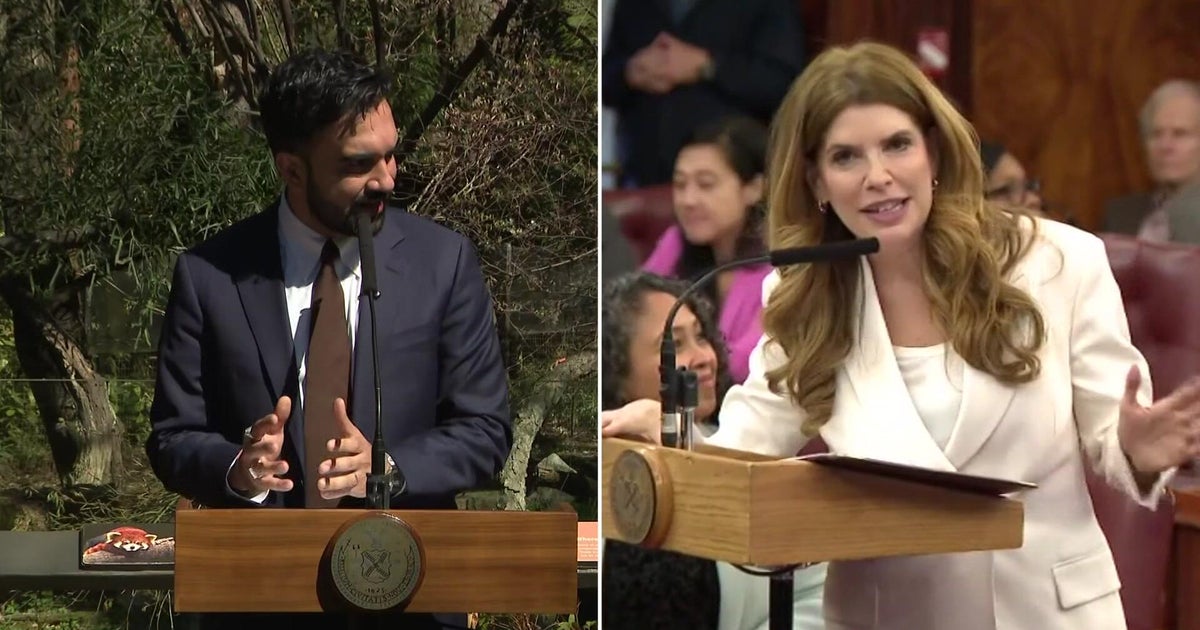
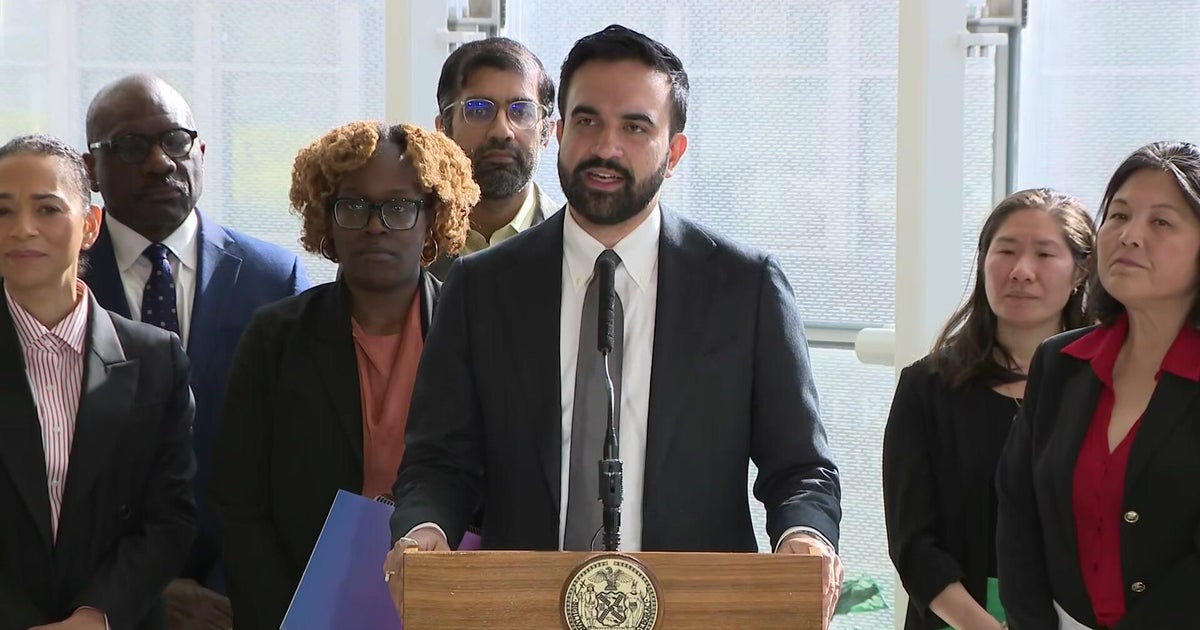
New York City Mayor Zohran Mamdani and Gov. Kathy Hochul announced a plan for free child care for 2-year-olds on Thursday.
The two met in Brooklyn to announce the 2-Care program, as they try to implement universal child care.
The existing 3-K program, the city's free, full-day early childhood education program for 3-year-olds, will also be strengthened to achieve universal care for all families, they said.
"There's one thing that every family in New York can agree on, the cost of child care is simply too high," Hochul said, adding, "This is the day that everything changes."
Mamdani won the November 2025 election with a campaign promising to make the city more affordable for working-class residents. Part of his plans includes creating universal child care.
He wants the city to establish free, high-quality child care for children 6 weeks to 5 years old. A local law to create this was introduced to the New York City Council in 2023, but it didn't pass.
The mayor talked about the new level of city-state cooperation.
"For too many years the relationship between Albany and City Hall has been defined by dysfunction and discord, by feuds and by factionalism. Petty grievances have interfered with the work of serving the people," Mamdani said.
How much will universal child care cost NYC?
Hochul said the state will fully fund the new program for the first two years.
The state will fund additional seats to "achieve truly universal pre-K." Funding for existing seats will also increase to $10,000.
Mamdani had not previously said how much the program would cost, but has proposed paying for it by raising taxes on corporations and people earning more than $1 million. Those taxes must be approved by Hochul and the state Legislature.
He said the lack of child care has cost the city more than $20 billion in the last four years because of mothers leaving the workforce and families leaving the city.
Expansion of child care subsidies, care credit
There will also be a $1.2 billion increase in funding for child care subsidies, according to the announcement. The plan is expected to deliver affordable child care to an additional 100,000 children, Hochul said.
Thousands of tax filers will also get an additional average benefit of $575 as the state expands and simplifies the child and dependent care tax credit, which helps cover the costs of child care.
Increasing the early childhood education workforce
Hochul said she's looking for opportunities for new Workforce Pell grants, which can cover training for students. She will also direct SUNY and CUNY to expand and streamline early childhood education programs.
New Office of Child Care and Early Education
Hochul also announced the launch of an Office of Child Care and Early Education to implement universal child care. It will oversee 2-Care, 3K, look into other care options, oversee subsidies, workforce support and quality.
Programs expanding across New York
Hochul said new pilot projects for children in counties outside of New York City will be launched to expand child care in communities. This will be designed to support counties working towards universal access to affordable, year-round, full-day care, regardless of income.
Programs will be a collaboration between counties, local child care entities and the state, she said.
Child care too expensive for most NYC families, study says
A typical New York City day care costs at least $20,000 a year. More than 80% of families couldn't afford that price tag, even for one child, according to a February 2024 report.
5BORO Institute found minority families were the most impacted, with some forced to leave the city. Researchers stated only 5% of licensed day care providers operate between 6 a.m. and 6 p.m., despite 780,000 New York City parents working those hours.
The institute's executive director, Grace Rauh, previously told CBS News New York there was a major decline in the number of providers available due to rising costs.
"In 2022, New York City's estimated to have lost $23 billion in economic activity because of parents who left the workforce or had to downshift their careers to take care of children," she said.