NYC Mayor Mamdani appoints civil rights attorney Christine Clarke as human rights commissioner

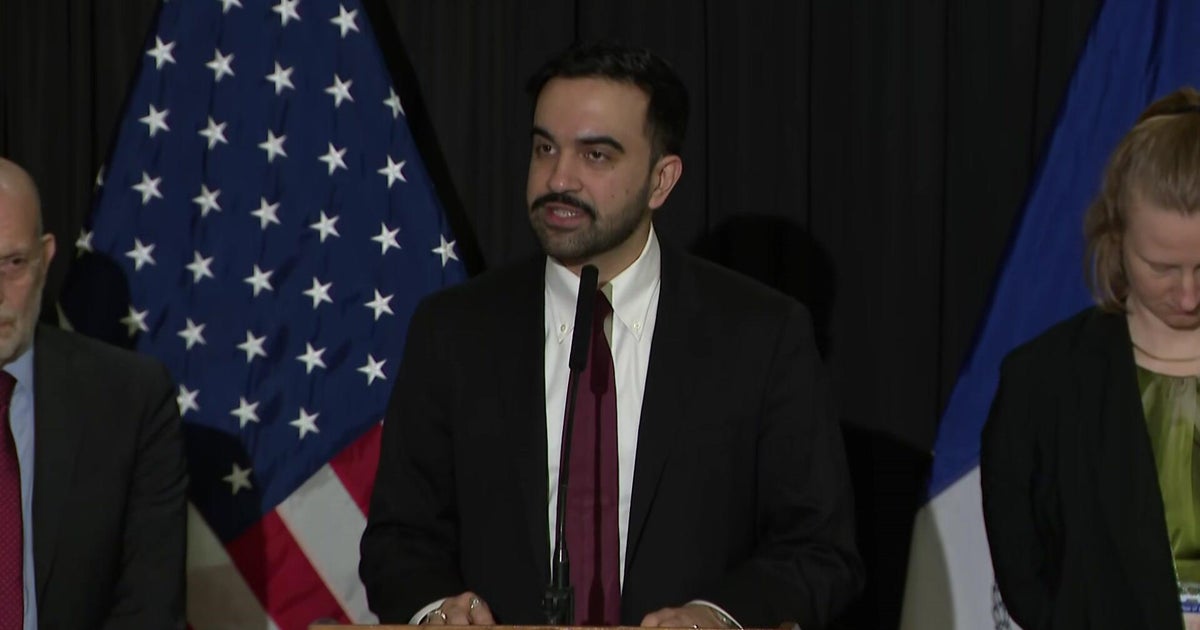
New York City Mayor Zohran Mamdani named long-time civil rights advocate Christine Clarke as the commissioner of the Commission on Human Rights during a press conference Wednesday.
The commission is in charge of enforcing the city's Human Rights Law. Clarke, who will work under Deputy Mayor for Economic Justice Julie Su, who was also appointed by Mamdani, will replace Annabel Palma, who was appointed by former Mayor Bill de Blasio in 2021.
Clarke previously worked as the chief of litigation and advocacy at Legal Services NYC. She was also a director of the services' Civil Rights Justice Initiative and a staff attorney at Planned Parenthood Federation of America.
What does the NYC Commission on Human Rights do?
The organization helps protect residents against discrimination based on race, gender, age, religion, disability, sexual orientation, gender identity, immigration status, among many other factors, according to the website.
The commission also investigates complaints of discrimination and harassment, and looks into issues regarding employment, housing, education and credit.
"There are unquestionably enormous delays right now."
Clarke said one of the issues she wants to focus on is the years-long delays New Yorkers face after they file discrimination complaints.
"There are unquestionably enormous delays right now at the Commission on Human Rights," she said. "There's a lot of wonderful people who work there who want to work better, faster, and I'm really looking forward to working with them to figure out ways to move things faster."
Mamdani echoed that sentiment and said it's important that officials follow through with a resolution faster to create trust with residents.
A state report found housing discrimination cases drag on for years on average, which can put tenants at risk.
State Comptroller Tom DiNapoli said his team found cases drag on for more than two years, and one lasted about seven years. DiNapoli's office also said people wait months for their initial response or intake appointments.
The commission said the report overlooks other time-sensitive cases that don't require intake appointments.