NYCHA complex in Brooklyn gets playground using recycled cork as advocates tout material's benefits

The next time you open a bottle of wine, the cork could have a second life beneath someone's feet.
This summer, half a million recycled wine corks were used to create a poured-cork playground surface at NYCHA's Marlboro Houses, part of a pilot program exploring community led designs and new uses for the renewable material.
"Thirteen billion of them end up in the trash, 3 billion in the United States alone," said Nazli Parvizi, executive director of the Cork Collective, an organization that advocates for cork recycling.
The Cork Collective collects stoppers from participating restaurants, hotels and catering companies, which are then sent to be processed for use in infrastructure projects.
"What do you do after you collect all these corks? And for us, we want to find a great civic purpose," Parvizi said.
At Marlboro Houses, the new surface has become a gathering spot for local fitness enthusiasts. Natasha Franklin, a longtime resident who works at the adjacent community center, said residents helped shape the space by sharing ideas for what they wanted to see there.
"So this was a community effort," Franklin said, adding even the name of the playground, Marlboro Village Vibes, was chosen by residents.
She said the project was also an opportunity to bring more attention to the needs of her neighbors.
"I never heard of this before. And us being the first here to receive this is an honor because we look to get more attention here ... We feel overlooked," Franklin said.
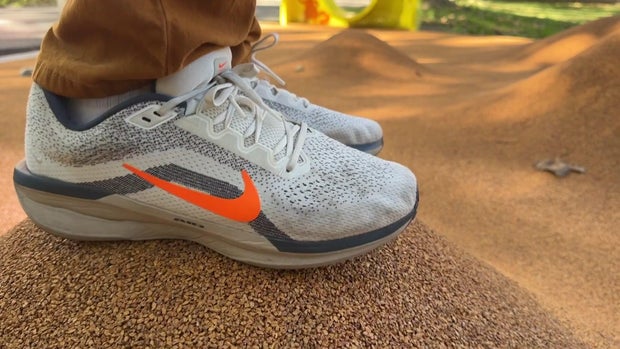
Natural cork is a renewable material, but recycling infrastructure for it remains limited compared with that for metals, plastics and cardboard. Advocates say expanding its use could help divert discarded corks from landfills while providing an alternative to conventional materials used in public spaces.
Parvizi said the poured-cork surface is designed to last about 10 years before it can be removed, ground into granules and reused in a new surface.
The material also offers drainage benefits. The Marlboro Houses site sits on historic marshland, making permeability an important consideration.
Alex Zablocki, executive director of the Public Housing Community Fund, said the organization is exploring other ways to incorporate cork into public spaces.
"Being able to offer a sustainable material like cork is interesting and something that we want to scale up across the city," Zablocki said.
Advocates say poured cork has costs and a lifespan comparable to alternative surfacing materials. They hope the pilot at Marlboro Houses can help demonstrate its potential for other projects across New York City.
Have a story idea or tip in Brooklyn? Email Hannah by CLICKING HERE.


