Long Island town constructs "Frog Hollow Tunnel" to save amphibians

Frogs are currently hopping between seasonal ponds known as vernal pools for springtime feeding, mating, and exploring. But hundreds are being squashed into roadkill. A nature lover on Long Island has successfully lobbied for a change.
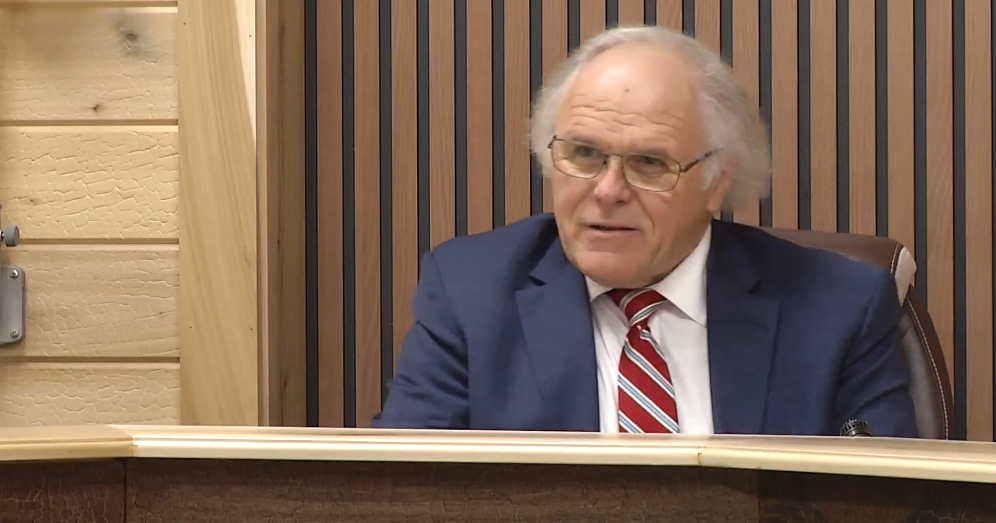
"I've been passionate for wildlife since I was a little boy," said John Turner.
Turner was driving through Middle Island and could hear the spring peepers when he came upon a tragic sight.
"Scores of crushed amphibians in the road," he said. "The carnage was very upsetting to me, I wanted immediately to do something about it."
Turner went back to his day job with Brookhaven Land Management and put out an individual appeal.
"You never know when you work in a town what the response might be from the elected officials," he said.
The supervisor trekked to the scene of the animals' deaths, where two vernal pools were divided by a road.
Long Island's first amphibian crossing
The town then voted to use $20,000 from its budget to build Long Island's first amphibian crossing, the underground Frog Hollow Tunnel, to restore connections between fragmented habitats, then added $18,000 in fencing to guide the animals.
"Any wildlife at all that wants to move back and forth between these two ponds can utilize the tunnel," Turner said.
Brookhaven Environmental Analyst Luke Ormand set up a camera and the town is watching. "What was really exciting was having all sorts of other animals. I've had 15 different species that are using the tunnel," Ormand said.
"We have got to have that ecological connectivity, so this is the first of what is going to probably be many, and I'll tell you it's wildly popular with the public," said Brookhaven Town Supervisor Daniel Panico.
CBS News Philadelphia reported on efforts there and in New Jersey to construct tunnels in existing storm culverts to safely channel the animals and the federal government has been helping with large scale projects: overpasses in the west for bears and moose, underpasses in the Everglades for Florida panthers.
"Not a single roadkill now"
"There's not a single roadkill now," said Turner. "It's incredibly gratifying that we can take these small steps to help nature and that's another lesson about this whole project."
Turner believes when it comes to declining species or our planet's climate change, any individual help makes a real difference.
The federal Department of Transportation says 2 million large mammals are killed by cars every year. There's no clear way to measure amphibians, but biologists estimate tens of millions will meet the same fate on our roads this year.