Is it difficult to sell silver bars?
Silver prices have been on a tear lately, breaking records and pulling in buyers who don't want to miss the movement within the market. But when the price of silver spikes and then dips, offering a lower-cost opportunity to buy in, it's easy to focus on how to get your hands on the asset, meaning you're primarily concerned about which bars to buy and how much of your budget to allocate to the metal. What tends to get less attention, though, is the other half of the equation: how, exactly, you'll get back out.
That question matters more than most investors expect. Silver is typically best when held as a long-term asset, as it isn't a stock you can unload with a tap on your phone, and it's not a savings account you can drain instantly, either. That means the way you buy your silver — from the size of the bar to the dealer you use and the paperwork you keep — can shape how simple or stressful selling your silver can be later down the road.
For investors who are watching silver's price swings and wondering whether physical bars are a smart move, it helps to understand what the selling side looks like in practice. So, is it difficult to sell silver bars when you want to offload your assets? Below, we'll detail what potential investors should know.
Start adding silver to your investment portfolio now.
Is it difficult to sell silver bars?
In most cases, selling your silver bars isn't hard, but it's not typically frictionless either. How smooth the process feels depends on a few practical factors, including the type of bar you own, where you're selling it and the broader market conditions. Here's what to know before you make any moves:
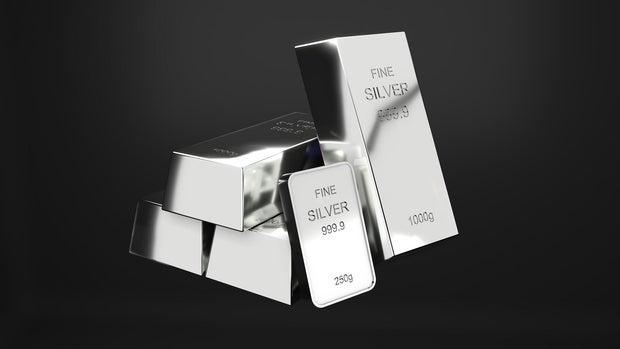
Liquidity is generally solid, but with caveats. Silver is a globally traded commodity with an active network of dealers, online marketplaces and local coin shops. If you own common products like 1-ounce or 10-ounce silver bars from well-known mints, finding a buyer is usually straightforward. Larger bars (like 100-ounce silver bars) can be trickier. Fewer buyers can afford them, and some local shops won't keep that much inventory on hand, which can slow things down or widen the bid-ask spread.
You won't get the headline price. The spot price of silver that you see quoted online is the benchmark, not the amount you'll receive when you sell your assets. Dealers need a margin to cover risk, overhead and price volatility, so offers typically come in below spot. The discount can widen during fast-moving silver markets or when dealers are flush with inventory. So, if you bought your silver bars with a hefty premium during a hot market, it may take a meaningful price move just to break even on resale.
Timing matters more than people think. In calm markets, selling silver is usually a same-day or next-day transaction when working with a reputable dealer. In chaotic markets — when silver is ripping higher or dropping fast — dealers may pause buying, lower offers or limit volumes. That doesn't mean you can't sell, but you might not love the terms. As a result, investors who expect to trade in and out frequently often find physical silver bars less convenient than paper instruments.
Logistics and trust are part of the deal. If you sell locally, you'll need to transport and authenticate the bars. If you sell online, you're shipping valuable metal and waiting for verification before getting paid. That adds time and a small layer of risk.
Protect your portfolio with silver bars and coins today.
What else to consider before investing in silver
If you're thinking about buying silver bars with an eye on eventually selling them, be sure to consider the following during the process:
Choose products with resale in mind. Silver bars from well-known mints and refineries tend to be easier to move and come with tighter buy/sell spreads. Generic bars can be cheaper to buy, but they may be discounted more when you sell.
Think about storage and access. Where you store your silver affects how quickly you can sell. Home storage offers immediate access but requires security and insurance considerations. Third-party storage can add peace of mind, but it may introduce delays or fees when you want to liquidate.
Understand the tax and reporting angle. Physical silver can have different tax treatment than silver stocks or ETFs, and reporting thresholds can apply when you sell. That doesn't mean taxes should scare you away, but surprises at tax time are rarely welcome.
Decide what role silver plays in your portfolio. Silver can act as a hedge against inflation, a diversification tool or a speculative bet on industrial demand and investor sentiment, but it's volatile. If you're relying on silver bars for short-term liquidity or emergency funds, the friction of selling and price swings may not align with that goal.
The bottom line
Selling silver bars usually isn't difficult, but it's rarely instant, perfectly priced or friction-free. Liquidity depends on the size and brand of your bars, dealer demand and market conditions at the time you sell. If you buy with resale in mind, keep your documentation and choose reputable channels on both ends of the trade, the process is manageable, though. So, while the upside can be real, so are the practical realities of getting out when you're ready.