St. Cloud city leaders reflect on frenzied ICE protest: "There is no playbook for this"
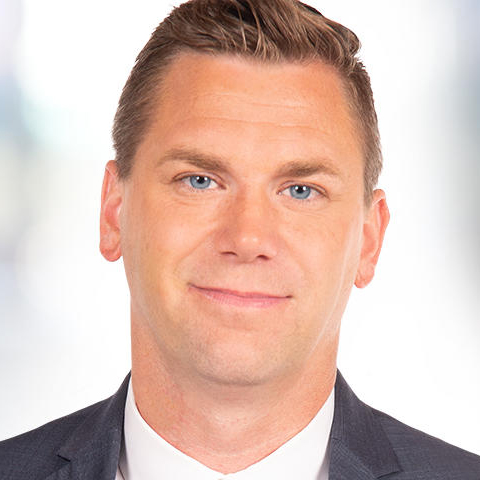
Outside of the Twin Cities, communities in greater Minnesota are feeling the impact of ICE activity.
A week ago, hundreds of protesters confronted federal agents at a Somali mall in St. Cloud.
"I saw the fear, firsthand," said St. Cloud Police Chief Jeff Oxton. "I saw the emotions. I saw the anger. I saw all of that."
What happened last Monday is new, even for Oxton. He and his officers showed up to create a safe barrier between hundreds of protesters and about 50 federal agents. Their goal was to allow people to be heard, without anyone getting hurt.
"I have people yelling and then they'd look at me and they'd thank me for being there, in the midst of that," Oxton said.
As tense as it was, it was a learning experience for St. Cloud's city leaders.
"There is no playbook for this," said Mayor Jake Anderson. "We have not gone through this before. As Chief noted, we've never seen that number of federal authorities in our community doing that type of activity."
The mayor and chief said the challenge is keeping a balance between two sides. In the city, some constituents support ICE activity while others oppose it. Over the past 25 years, St. Cloud has become more diverse, and that includes a large Somali population.
Oxton credits a community policing agreement that was originally established in 2005 for helping build trust across the city. It talks about partnering with neighborhoods and law enforcement agencies. But like other cities, St. Cloud does not help with immigration enforcement.
"This is different than that because we're not collaborating with them," Oxton said. "We're not hearing from them, we're not getting the information."
Both men say federal agents have their own job to do, but they believe if ICE released more information about who they've arrested, it would help cut down on the spread of misinformation.
"I think it would do a lot to calm a lot of people's fears and emotions," Anderson said.
"Our authority doesn't come from our badge, it comes from the belief in the people that we serve that they trust us and that we are there to protect them and to keep them safe," Oxton said.