Minneapolis mosque recognizes ICE observers for helping its community

On Friday, Laura Kubick once again came to the Dar Al-Hijrah Mosque in Minneapolis' Cedar-Riverside neighborhood. She's not Muslim, but coming to the mosque on Fridays had become routine, one that earned the gratitude of Imam Sharif Mohamed.
"What we wanted to do was create a sense of safety and take care of our neighbors," Kubick said.
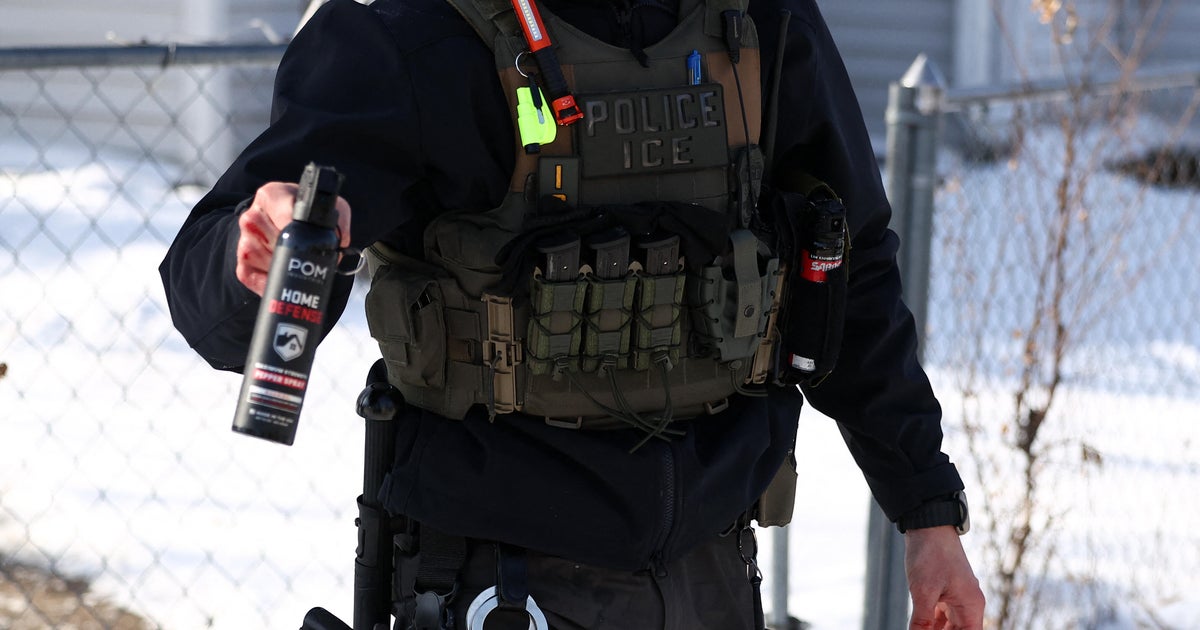
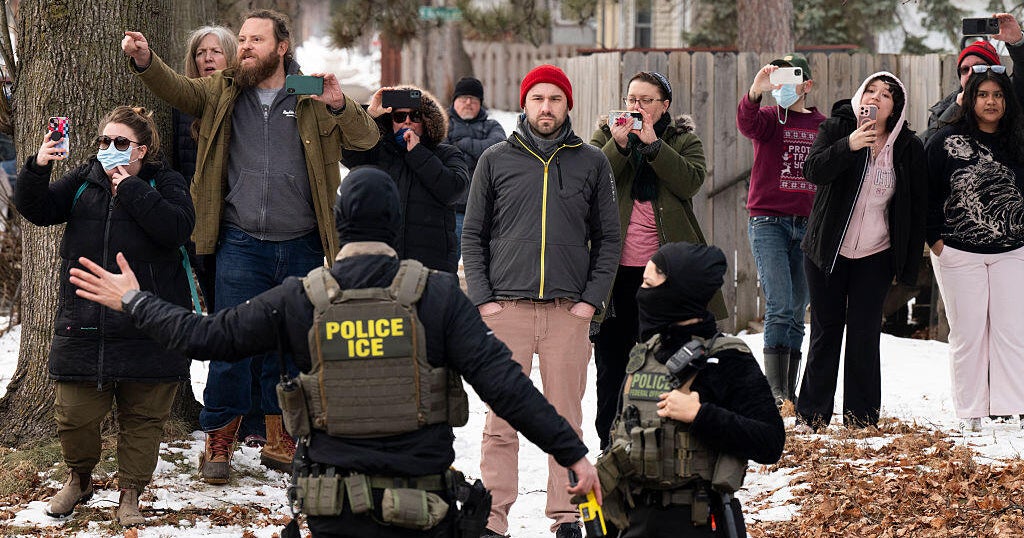
Kubick said that each week, during Friday prayer, she and a friend would keep watch outside the mosque. She'd become one of tens of thousands of people operating as observers, aiming to document U.S. Immigration and Customs Enforcement activity and provide a warning to neighbors when agents showed up.
It's why Mohamed and other community leaders organized Friday's Iftar around observers, aiming to provide food and thanks to people who were total strangers before Operation Metro Surge began. Mohamed said he met people who were helping deliver meals to people too afraid to leave their homes, helping get children to school and helping to keep the neighborhood safe.
"The magnitude of the people who said 'no, this is not happening on our own watch and in our neighborhood' was beyond the expectation," Mohamed said.
The mosque was packed on Friday with people of all faiths, eagerly awaiting the meal that would break the daily fast observed during Ramadan. Minneapolis Mayor Jacob Frey and Minnesota Department of Public Safety Commissioner Bob Jacobsen were in attendance and gave remarks.
"I think everybody did all they could and Minneapolis as a whole showed up in a beautiful way," Frey said.
Kubick said she now lives in St. Paul; until this year, she said she hadn't had much reason to visit Cedar-Riverside since her time in college. When she signed up to help with the Immigrant Defense Network, she noticed that no one had signed up to cover the Dar Al-Hijrah mosque. She said she was happy to be there for them.
"We showed the love for our community and we showed community solidarity," Kubick said.
While the overwhelming majority of Somalis living in Minnesota are U.S. citizens, they reported that ICE targeted them heavily at the beginning of the federal surge into the Twin Cities metro. President Trump first put a spotlight on Somalis in November, blaming the community for individual fraud charges.
Mohamed said that there are still community members afraid to go about their daily lives. A teacher and observer who spoke Friday evening said students are suffering from learning loss. In some neighborhoods, there are outstanding concerns related to paying rent following the surge.
Jacobsen said from his standpoint with the state, the observer network represented resilience. He said that from his understanding in recent conversations with federal officials, the bulk of agents now in the state are focused on fraud. He said that he has not been informed what those investigations will actually look like.