Libyan man in Minnesota for medical treatment for rare skin condition is detained by ICE agents

Hani Duglof and his brother Mohamad Duklef arrived in Minnesota looking for help in 2014. They'd left Libya, unable to find relief for a rare condition that threatens to leave their skin torn and blistered at even the slightest provocation.
After spending more than a decade studying, working and participating in clinical trials, Duglof found himself detained by ICE, unable to access the kind of food and care he needs.
The brothers say that it happened on Jan. 10 of this year. Duglof was driving in Wisconsin when he said that two ICE vehicles pulled him over. Duklef was on the phone with him, expecting a call back soon, assuming he had been pulled over for some kind of driving infraction.
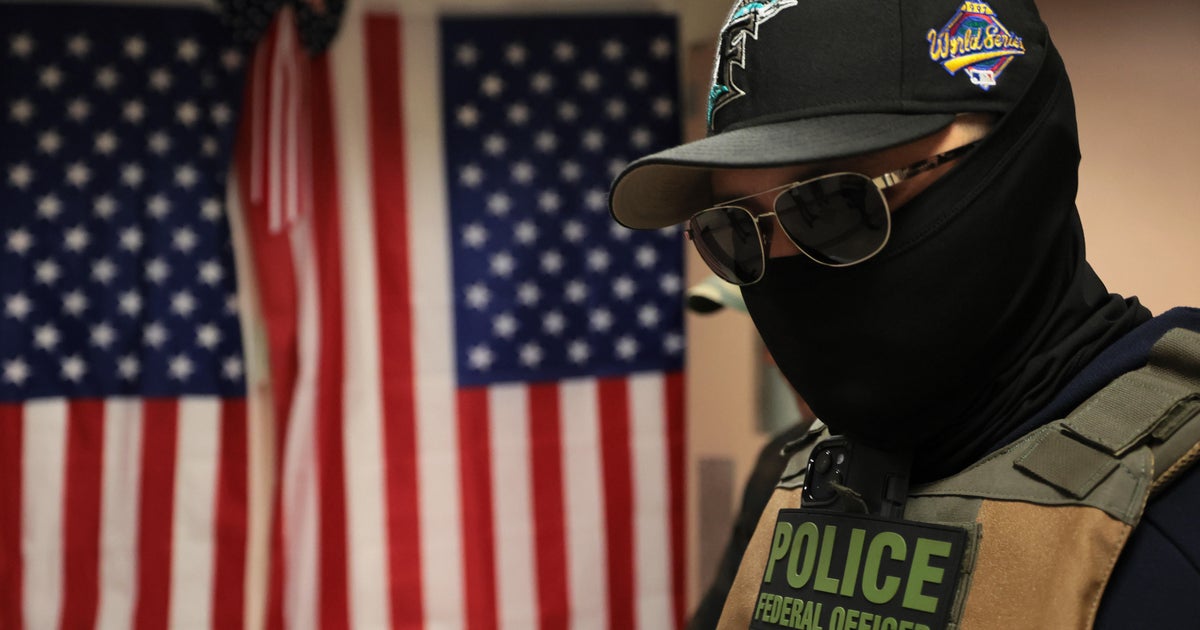
Instead, Duglof found himself being taken to the Bishop Henry Whipple Federal Building in Fort Snelling. He said that he was confused when ICE agents said that he no longer had legal status, given that he had been in the asylum process for the better part of a decade after first entering the country on a visitor visa.
"Since they handcuffed me, I felt like (I was) being treated like a criminal," Duglof said. "They tried to take my fingerprints, but because of my condition, I don't have fingerprints."
Duglof and his brother have Epidermolysis Bullosa, or EB. Their skin is extremely fragile, causing it to tear easily. The condition also affects the esophagus, meaning Duglof can only eat soft foods. He said that the cramped concrete rooms of the Whipple building immediately caused his skin to blister.
Medical documents he says came from M Health Fairview Southdale's emergency department show that officials at the Whipple eventually believed he needed additional care, taking him to the hospital after Duglof said he was at the Whipple building for about 13 hours. Doctors in the documents seem to note that Duglof was not in need of emergency medical attention, but recorded the fact that the agents who brought him to the hospital were concerned that they could not provide food that he could actually eat.
Duglof soon found himself back at the Whipple building regardless. He said that, at one point, he was placed in a room with standing water in the corner. Often, he said, his pleas for soft food were ignored.
"'I'm sorry, this isn't a five-star hotel,'" Duglof said one official told him.
Duklef said he had been working from the get-go with Duglof's lawyer, the same lawyer who had been working on his asylum case for years, to get him released. He was freed on bond on Jan. 15, with a court case pending in February related to his asylum case. Duklef said that he often hears, or late, that people want immigrants to come in the right way; he said his brother was doing just that.
"Hani followed every single process legally," Duklef said.
Duglof works as an IT specialist after studying at Saint Paul College, and was featured in school promotional material on a billboard and other advertisements. He said he's nervous about returning to Libya, first applying for asylum after the country descended into civil war.
Duglof is one of the reported 2,500 people ICE said the agency has detained since the start of Operation Metro Surge in early December. The Department of Homeland Security and its leadership have repeatedly stated that the operation is targeting criminals who are in the country illegally. While the agency has listed dozens of names of people convicted of past crimes, hundreds of people are not publicly listed, nor are their alleged offenses.