"Harvey's Law" would require cameras in Minnesota day cares to prevent child abuse

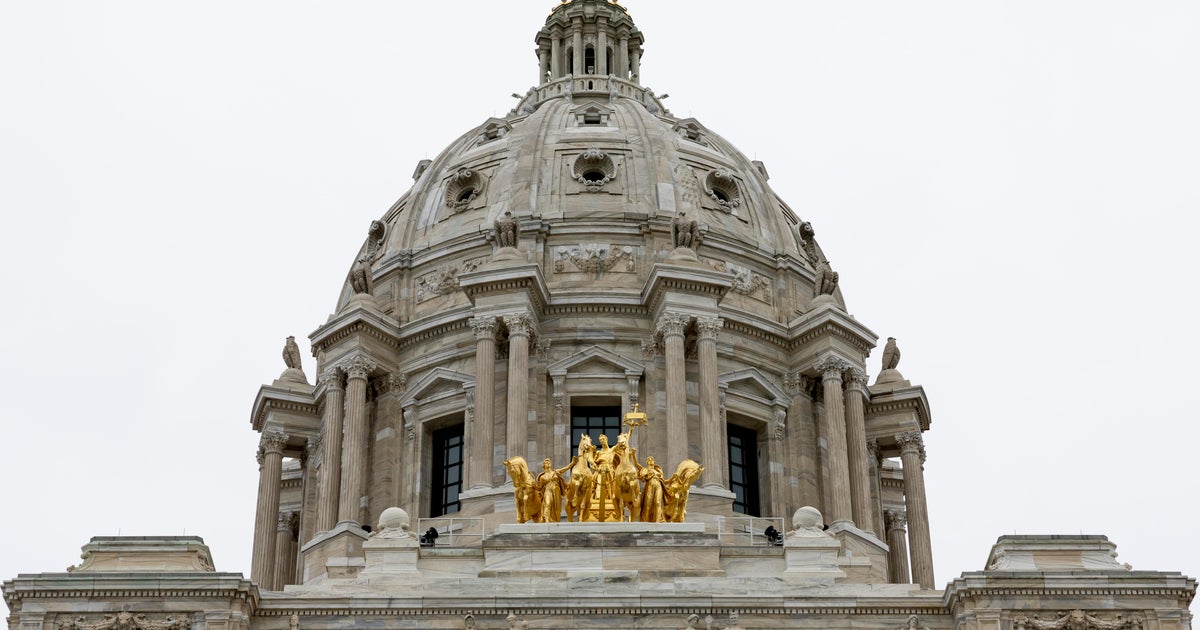
The parents of an 11-month-old boy who was suffocated to death by an employee at his day care last fall say they want to make sure the tragedy never happens again, urging the Minnesota Legislature to pass a bill in his honor requiring cameras in child care centers.
"Harvey's Law" would mandate closed-circuit cameras in all infant and toddler rooms inside facilities that receive state funding. Footage must be retained for 28 days. Catherine and Hunter Muklebust, parents of Harvey, think having them at their son's Savage, Minnesota, child care center could have saved his life.
Authorities say Harvey was killed by an 18-year-old employee last fall and that she confessed to "intentionally suffocating" him and another child who survived.
"Our beautiful baby boy, the happiest, smiliest, laughing, little light in every room, was murdered," Catherine Muklebust said at a Tuesday news conference at the Capitol. "Harvey's death was completely avoidable. If cameras weren't installed, the truth would have been revealed after the first attempted murder."
"We think every day about how different things could have been if only cameras had been installed," Hunter Muklebust added.
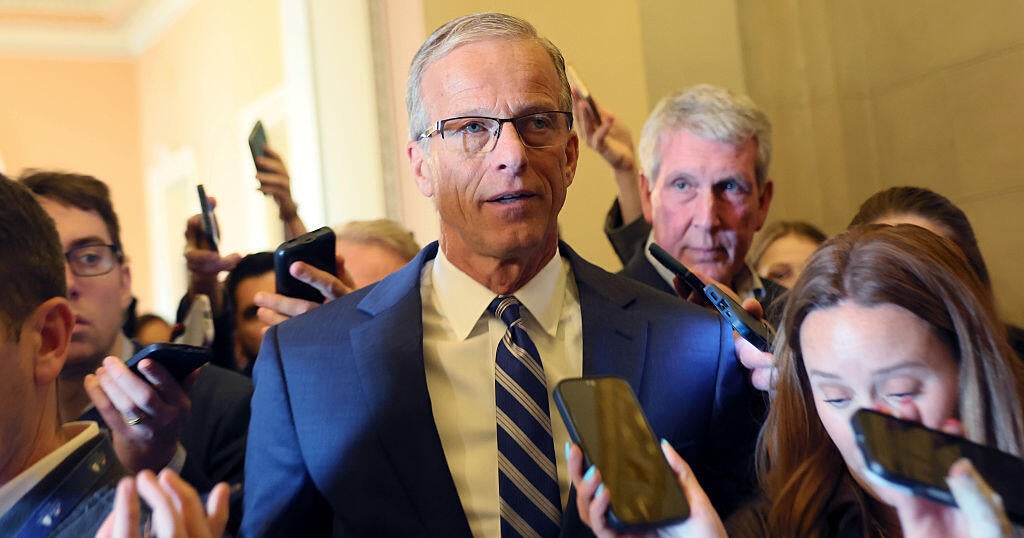
The bill would build off legislation that passed last session, effective this July, requiring cameras at child care centers if there are known maltreatment violations at those facilities. Rep. Nolan West, a Republican from Blaine, said Harvey's story underscores that the current law is insufficient.
"It's better than nothing, but Harvey's story shows that we can't wait. We need to expand," West said.
The issue is also personal for West, who pulled his daughter out of a Blaine daycare center where two workers ultimately faced criminal child abuse charges and pleaded guilty. He told WCCO at the time that he had received reports about his daughter's bruising.
Cameras were present in that case.
"The idea that it wouldn't be caught — that the perpetrators could get away with something — is hard to stomach," he told reporters Tuesday. "In my daughter's case, there were two perpetrators who would have suffered no greater penalties than losing their jobs, most likely, if not for video footage there."
Some lawmakers have concerns about where the cameras are placed and safeguards to ensure that the data is secure from bad actors who'd want the footage for nefarious purposes, like generating child sex abuse material.
Another proposal would create a task force to further evaluate cameras in child care centers and other security-related matters whose membership would include cybersecurity experts and child care workers.
"While cameras may feel like the best way to keep an eye on our most precious family members or to have proof if something horrible happens to a child, the data tells us that cameras alone don't actually deter abuse. Mandating cameras also brings a host of other privacy and data concerns that were not addressed by the bill author last year, and they cannot be ignored now," said Rep. Jess Hanson, DFL-Burnsville, in a statement.
"Harvey's Law" will get its first committee hearing next week and would only apply to child care centers, not family in-home providers.
West explained why the discrepancy, though he noted he would prefer if cameras were universal, no matter the daycare.
"A key difference between centers and family child care is when it's a family child care setting, where something horrible happens, that business is done. They rarely recover and that's as it should be," he said. "But what we've seen in many cases, a center can — and especially if there's no video evidence — fire employees and move on."