Gov. Tim Walz pitches changes to "transform" Minnesota's Medicaid that face unlikely future in Legislature

Gov. Tim Walz on Tuesday proposed an overhaul of Minnesota's Medicaid system in wake of high-profile cases of fraud in state programs. But the plan is poised to face big hurdles in the state Legislature where some are already skeptical of the idea.
Walz wants to eliminate the role of managed care organizations, which are private insurers the state contracts with to manage the benefits for 80% of the 1.2 million Medicaid recipients today, and centralize that oversight to the Department of Human Services.
His proposal would also shift some responsibilities like eligibility verification away from counties, which currently do most of the work of administering social services programs in Minnesota.
The governor likened the current Medicaid model to a "Frankenstein monster" that keeps getting bolts added to it, becoming "very, very difficult to administer."
"We think this is a way of simplification. It's a way to use best practices. It's ways to use modern technology. It's ways to use AI," Walz told reporters. "And what that does is takes the burden off the counties, the managed care organization, and gives the state and the taxpayers, a much more transparent view and how the system works."
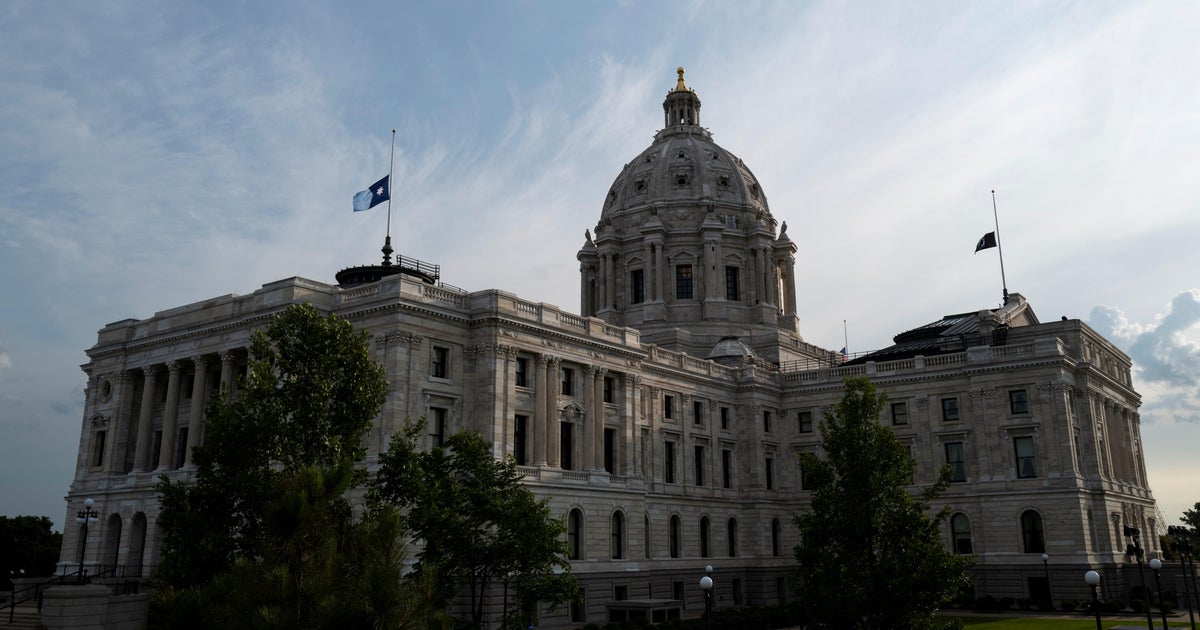
At the State Capitol, where Republicans and Democrats share power in a tied House, lawmakers must approve the plan in order for it to take effect and it already faces an unlikely future.
Rep. Paul Torkelson, the Republican Ways and Means Committee chair, said it would be careless to give more responsibility to the Department of Human Services, which has faced heightened scrutiny for its response to fraud in programs that fall under its purview.
"This proposal, as described by the governor, has no future as far as I can tell in the Minnesota state Legislature," Torkelson said.
Senate Republicans characterized the proposal as "more hype than results."
Top Democrats have suggested they are open to discussing a makeover to how the system currently operates. Some of Walz's ideas mirror proposals from the House DFL caucus which rolled out its own anti-fraud package last month, including "evaluating" whether county functions when it comes to social services should transition to the state.
However, a key Democrat did not offer his support Tuesday. DFL Sen. John Hoffman, who leads the Human Services Committee in the Senate, said he learned of the proposal Monday night and wished there had been a thorough discussion in his committee before the announcement.
"Major structural changes to a system that serves hundreds of thousands of Minnesotans require thoughtful collaboration between the executive branch and the Legislature," Hoffman said. "The Senate Human Services Committee exists specifically to examine these types of proposals, hear from stakeholders, and ensure reforms are implemented responsibly."
But where there is room for bipartisan support: upgrading outdated "Oregon Trail vintage" technology that makes enrollment for and administration of Medicaid and other social services programs cumbersome and ripe for errors.
Walz's forthcoming supplemental budget proposal will earmark money for that purpose.
"If you're going to hire a 25-year-old who can virtually run their entire lives on the go on their cellphone, and hire them to work for your county, sit them down in a chair in front of an old computer screen that locks up regularly with the 'wheel of death' and forces them to input the same information multiple times for one applicant — they're not going to stay in that job," Torkelson said. "Why would they? We need to modernize. There, the governor and I agree 100%."
As lawmakers hash out dueling plans for fighting fraud and consider Walz's plans, the Department of Human Services said it would tap into existing funds to support a comprehensive study into how Minnesota administers its programs to provide future guidance on how the state should move forward.
There have been similar analyses by the Office of the Legislative Auditor and recently by Walz's appointed director of program integrity, who laid out potential reforms to the existing system.