Doctors warn colon cancer is on the rise in younger adults, urge to get checked early
March is colorectal cancer awareness month and doctors are urging people to talk with their physicians about screening as cases continue to rise, particularly among younger adults.
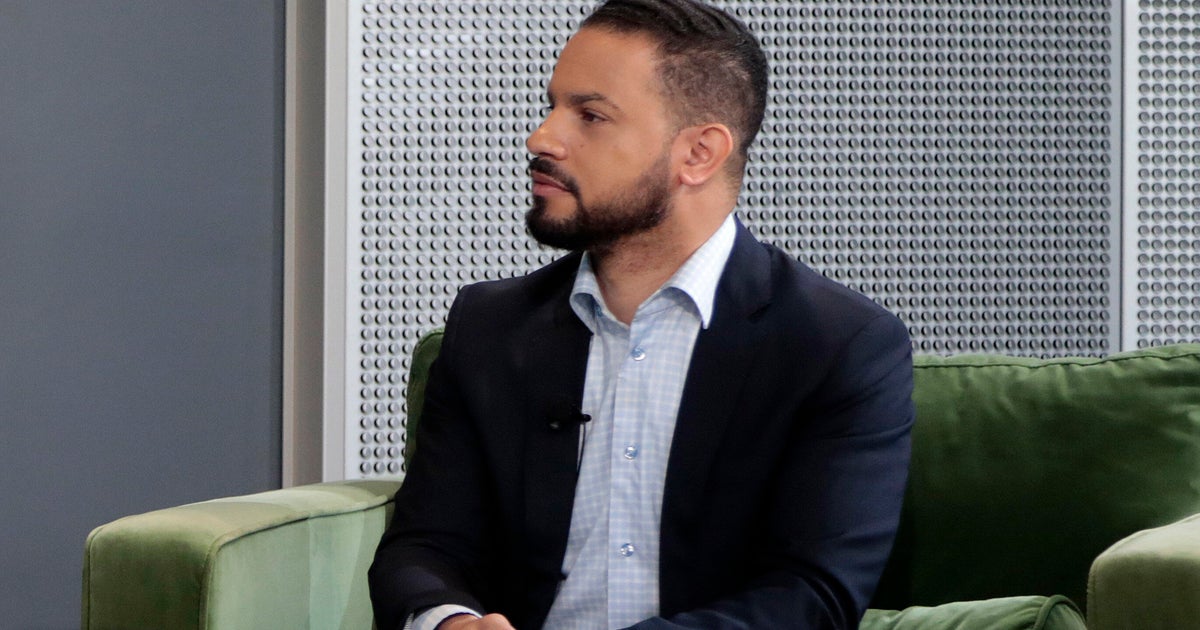
"This is something everyone should be conscious of," said Dr. Rahshana Price-Isuk of NorthPoint Health and Wellness in Minneapolis.
Price-Isuk says colorectal cancer remains one of the deadliest and most commonly diagnosed cancers in the United States, but is also one of the most preventable when caught early.
"This is treatable and preventable," Price-Isuk said.
Colorectal cancer is the second-leading cause of cancer-related deaths in the country. Health experts say the disease is increasingly affecting younger people.
"The rates are increasing about 3% each year in 20-49 year olds," Price-Isuk said.
She says certain communities face higher risks than others.
"That's affecting about 20% higher rates in the African American community, higher rates in the Asian Pacific Islander community, as well as the Native American community."
Doctors believe several lifestyle and environmental factors are contributing to the rise in cases.
"Increasing rates of obestiy, processed foods, eating more red meat and less fiber, less fruits, less vegtables," Price-Isuk said.
Smoking and alcohol use are also risk factors.
Family history is another important consideration when determining risk.
"Family history for colorectal cancer is considered a first degree relative," Price-Isuk said. "That's a sibling, brother, sister, mom, dad, or grandparent," she said.
Despite the risks, doctors say there are multiple screening options available. When detected early, colorectal cancer is among the most treatable cancers.
"You have to get screened before you have symptoms for this to work," Price-Isuk said. "Once your body starts telling you you have a problem, its likely in later stages."
Price-Isuk encourages people to start by having a conversation with their doctor.
"You're the expert in your body, we're the experts in the science, so let us work together to figure out the next best steps," she said.
Price-Isuk also recommends having a family member or loved one with you when visiting a doctor to discuss screening options and concerns.