Constitutional law expert breaks down legality of Trump's moves in war, voting, trans rights and more

The Trump administration's positions on a number of issues is prompting debate on constitutional powers versus executive orders.
What can a president do unilaterally? And in what areas does the president have more limited powers?
WCCO spoke with David Schultz, a congressional law professor at Hamline University in St. Paul, Minnesota, to get some clarity.
Can the U.S. go to war without congressional approval?
"Technically the answer is no," Schultz said. "The Constitution, in Article 1, Section 8, solely gives the power to Congress to declare war. And it also gives Congress lots of other powers regarding staffing, funding and creating a military. However, only five times in American history has there been a formal declaration of war. Neither the Korean War or the Vietnam War or the Gulf War were actually formally declared wars. Instead, oftentimes the president uses his power as commander in chief of the armed forces under Article 2 of the Constitution to take us into conflict."
This is the case in the ongoing war with Iran.
"What we have is kind of this gray area," he said. "Most people say that a president can use his powers as commander in chief to use the military to protect us [for] defensive purposes — but certainly not for offensive purposes like [the Iran war]. And so for the most part, the legal answer is that the president can't do this constitutionally. But effectively over time, again, almost all of our conflicts have never involved formal declarations of war by Congress."
Can the U.S. change voting laws?
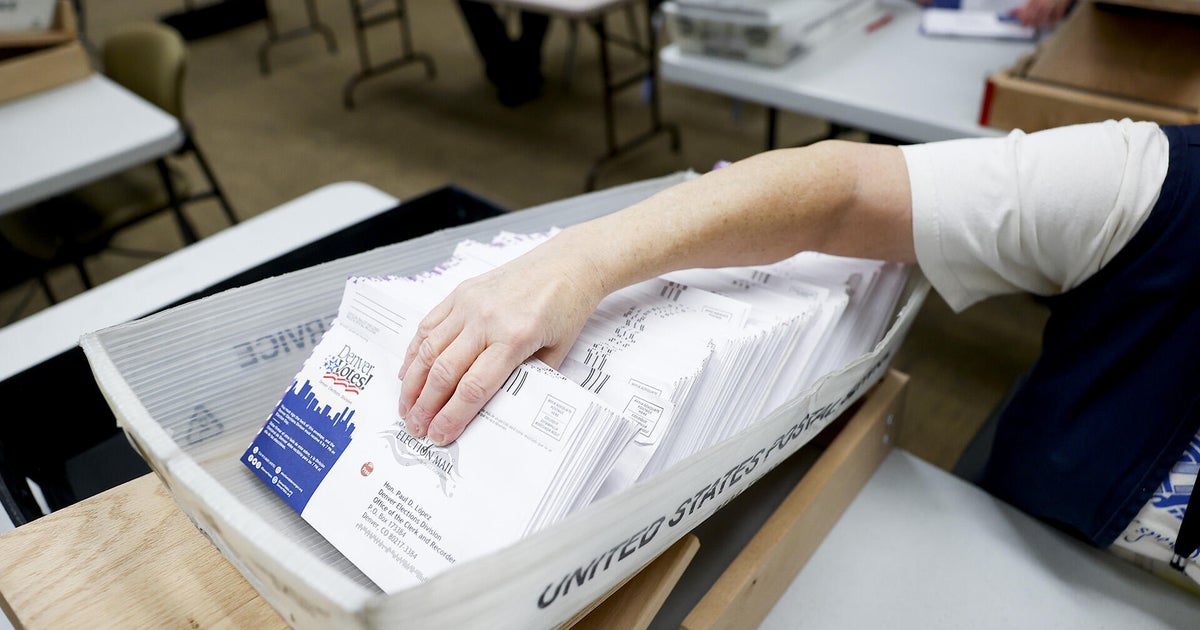
The Trump administration wants to pass the SAVE Act, which would require proof of citizenship to vote and limit mail-in ballots only to voters on a federal list.
"This is clear where the federal government has significantly less authority over, let's say ballot access or election laws," he said. "First off, remember that any of the federal laws regarding federal elections are laws passed by Congress. The president can't issue executive orders to change them. Second, Congress has very little control — in fact, almost no control — over elections for state and local offices. And so the president's executive order in terms of what he recently issued is being challenged already, and most people are going to argue and say that it's unconstitutional. And again with that, Congress — even if it passes some laws — has limited authority over being able to change most of the … state and local laws because why? The Constitution gives authority to states to be able to run the elections."
Can the U.S. bar state and local investigations of federal agents?
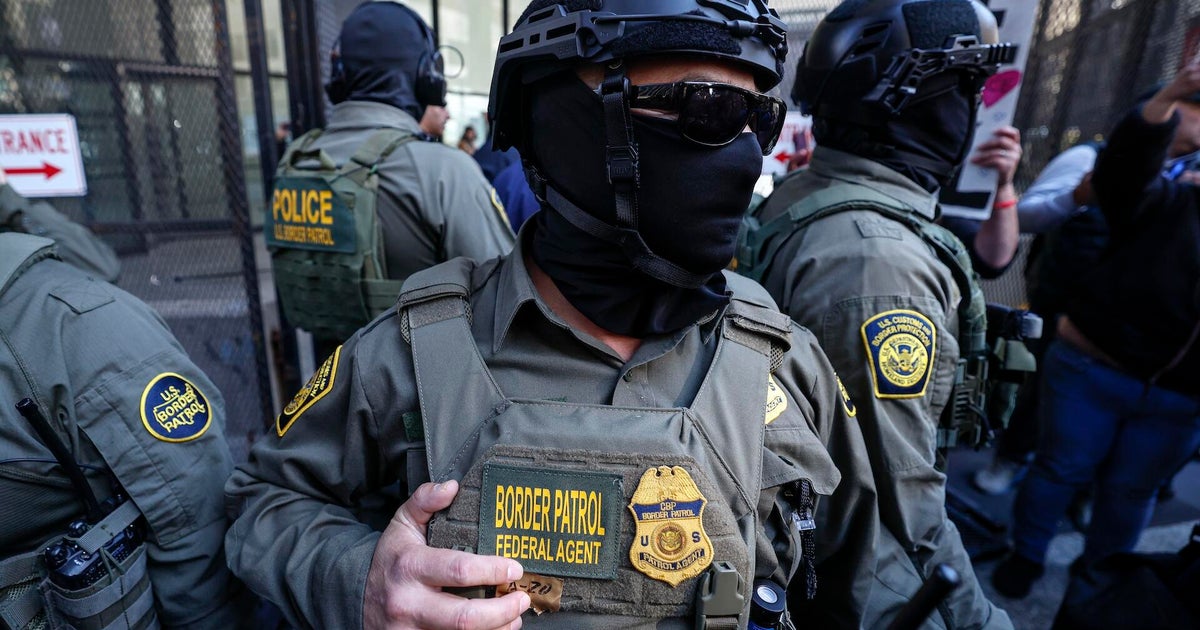
This question is specifically in regards to the shooting deaths by federal agents of Renee Good and Alex Pretti in Minneapolis in January amid Operation Metro Surge. The U.S. Department of Justice is currently blocking any access to evidence by Minnesota investigators.
"They can't bar investigation, but can they bar access to evidence? Yes they can," he said. "Can federal law and the Constitution make it difficult to prosecute and hold federal officials responsible for actions? Yes they can. So the state of Minnesota faces lots of constitutional and legal barriers in terms of actually getting the evidence it needs to investigate and to prosecute these cases."
Can the U.S. nullify Minnesota's transgender laws?
"They can't do it directly, but they might be able to do it indirectly," he said. "First, the only way that the federal government could nullify Minnesota law is by going to court and getting an interpretation of Title IX that would basically say that allowing transgender males to participate in female sports would be a violation of federal law. Short of that, the state of Minnesota could pass a law saying that we're going to allow transgender athletes to participate. So Congress could not itself necessarily pass a law that would be easy to do, but it could get a court ruling if you changed the way current federal law interprets Title IX."
All of these issues and more are the subject of lawsuits, with the state of Minnesota joining other states in suing the federal government. So far, the Minnesota Attorney General's office estimates they have 60 legal actions pending against the Trump administration.
You can watch WCCO Sunday Morning with Esme Murphy and Adam Del Rosso every Sunday at 6 a.m. and 10:30 a.m.