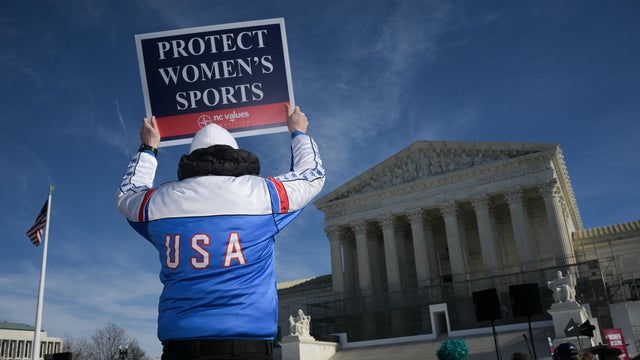
Supreme Court upholds state transgender athlete bans in girls' and women's sports
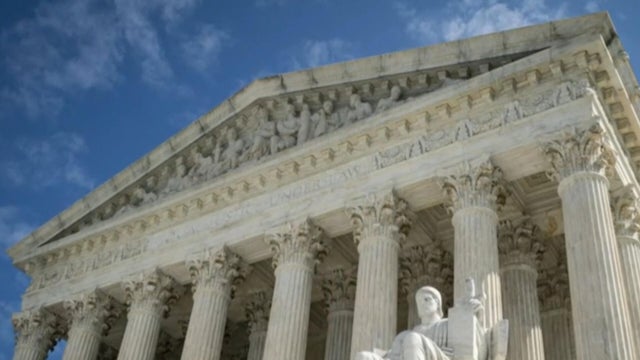
The Supreme Court upheld state laws from West Virginia and Idaho that restricted participation by transgender athletes in girls' and women's sports.
Watch CBS News
The Supreme Court upheld state laws from West Virginia and Idaho that restricted participation by transgender athletes in girls' and women's sports.
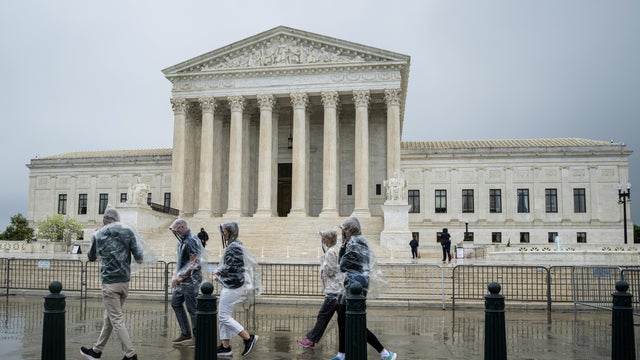
The Supreme Court turned away an appeal from a Florida couple who alleged their parental rights were violated by a now-revised school board policy on students' gender identity.
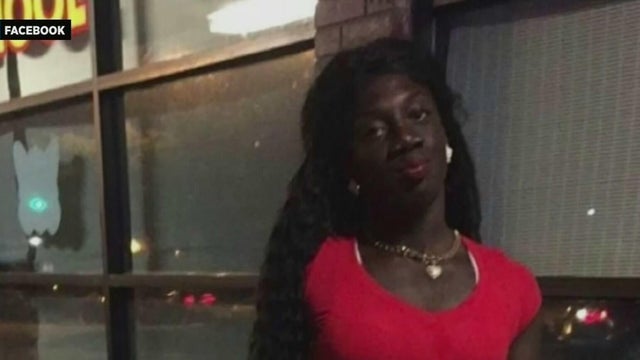
Detectives have identified a person of interest in the July 3, 2020, cold case murder of trans woman Bree Black.
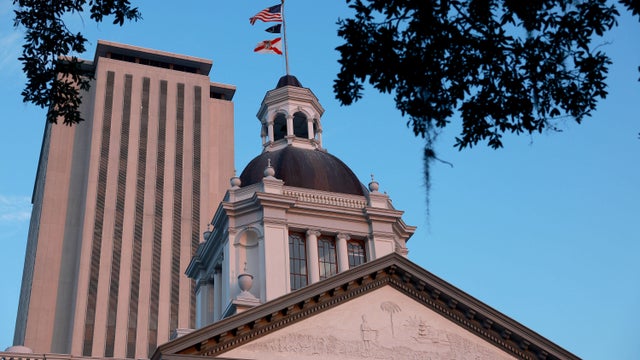
The bill doesn't prohibit a local government from recognizing state and federal holidays, such as Juneteenth or Martin Luther King Jr. Day.
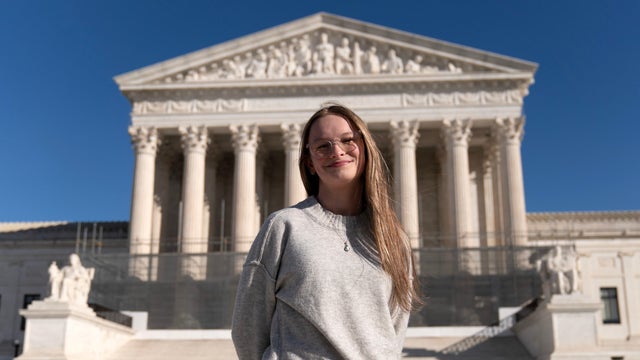
The Supreme Court hears arguments today on whether laws in Idaho and West Virginia banning transgender athletes from competing on girls' and women's sports teams violate the Constitution and Title IX.
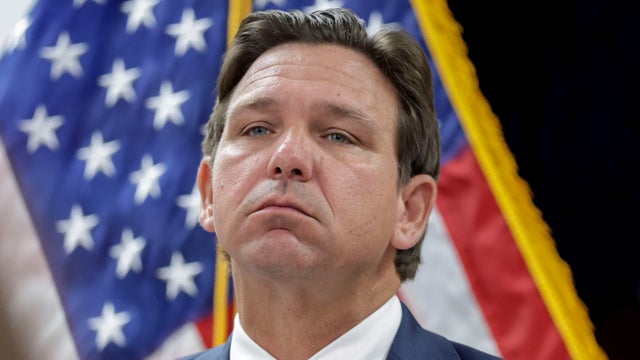
From immigration detention and gun laws to book bans, marijuana and social media, a wide range of legal battles in Florida remain unsettled as the state heads into 2026.

The declaration issued by the U.S. Department of Health and Human Services called treatments like puberty blockers, hormone therapy and surgeries unsafe and ineffective for children and adolescents experiencing gender dysphoria.
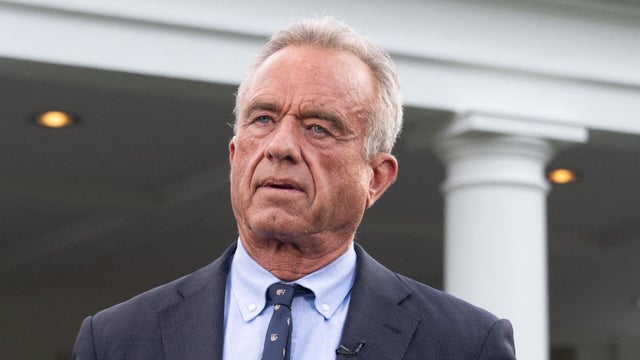
The proposals run counter to the recommendations of most major U.S. medical organizations.
Under a school system policy guide at the time, the parents were not informed of the social transition at school.
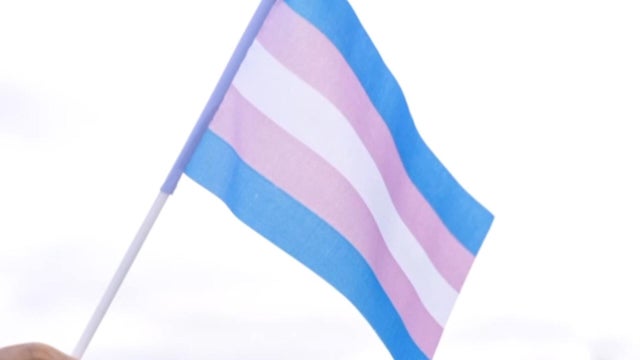
A U.S. district judge said a 2023 Florida law restricting pronouns that transgender teachers can use to identify themselves violates a federal civil-rights law — but the outcome of the issue might ultimately hinge on an appeals-court ruling in a Georgia case.
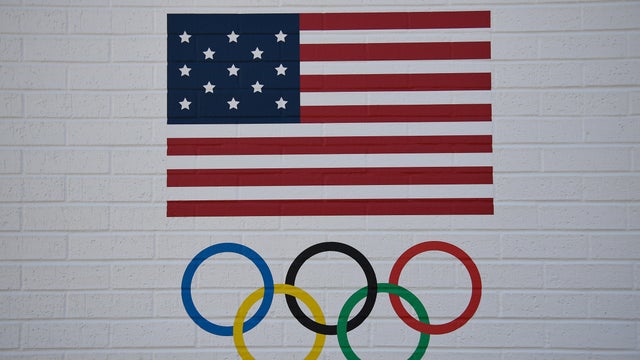
The U.S. Olympic and Paralympic Committee has effectively barred transgender women from competing in women's sports, telling sports governing bodies it has an "obligation to comply" with federal policy.
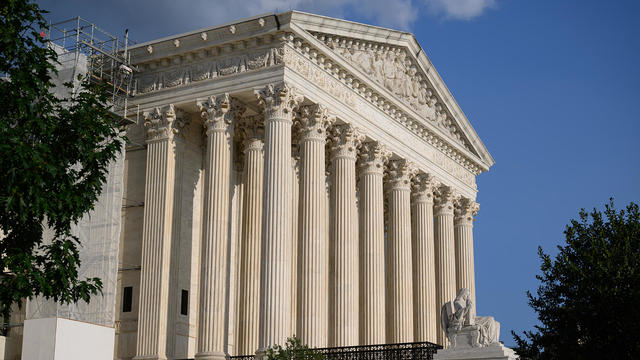
In their brief, Florida's lawyers acknowledged that the case involves adults and minors but said that "doesn't matter."
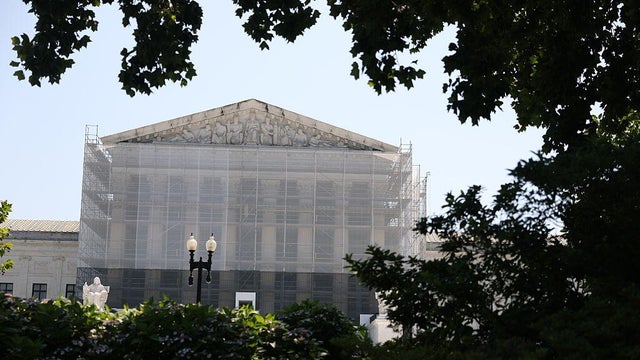
The Supreme Court will take up cases involving laws in Idaho and West Virginia that prohibit transgender athletes from participating in girls' and women's sports.
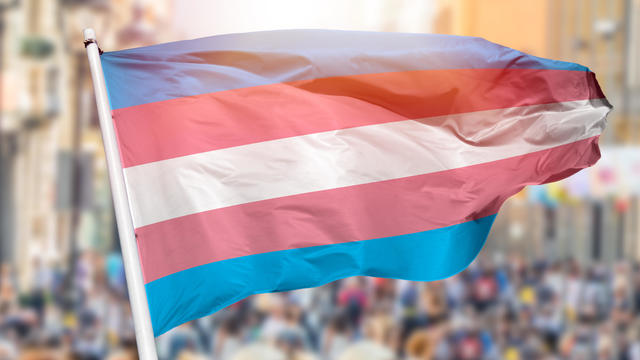
The pronoun restrictions were part of a series of controversial measures that Gov. Ron DeSantis and Republican lawmakers have approved in recent years that focus on transgender people — and have drawn legal challenges.
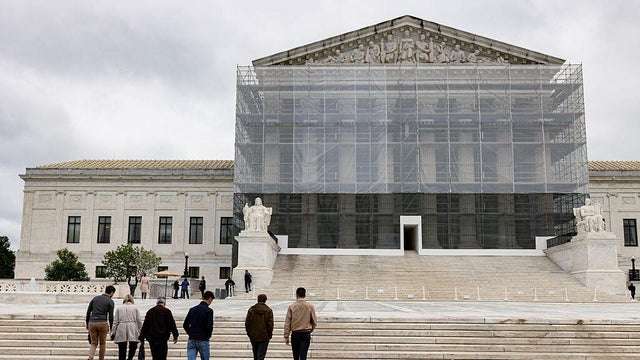
The Supreme Court ruled that Tennessee's law restricting gender-affirming care for transgender youth does not violate the 14th Amendment.

Army guidelines instruct commanders and soldiers on interacting with and identifying service members with gender dysphoria as they leave the military.
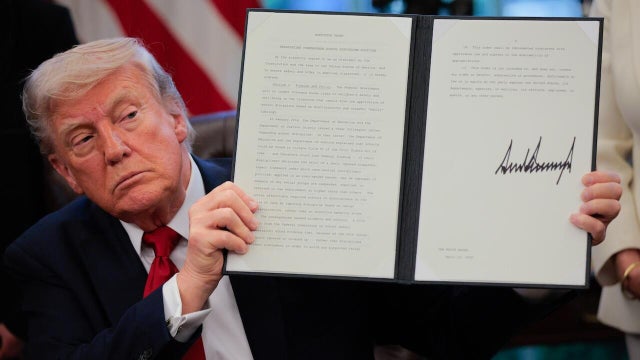
President Trump issued an executive order in January that targeted active-duty and prospective service members with gender dysphoria.

In its lawsuit, the ACLU described how one woman had her passport returned with a male designation while others are too scared to submit their passports because they fear their applications might be suspended and their passports held by the State Department.
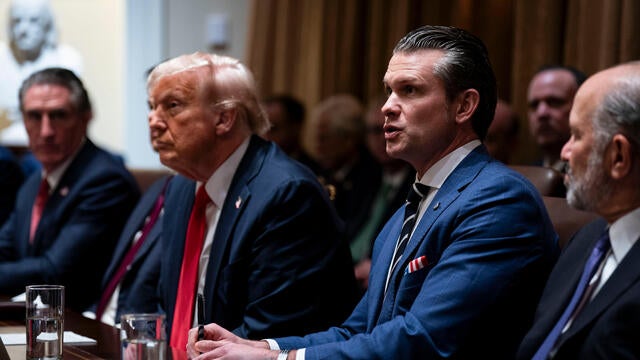
U.S. District Judge Ana Reyes ruled in favor of transgender active-duty service members and transgender people in the process of enlisting.

Transgender troops will be removed from U.S. military service unless they obtain a waiver, according to the Pentagon's memo.

Model and actress Hunter Schafer said her new passport lists her gender as male despite selecting female while filling out paperwork.
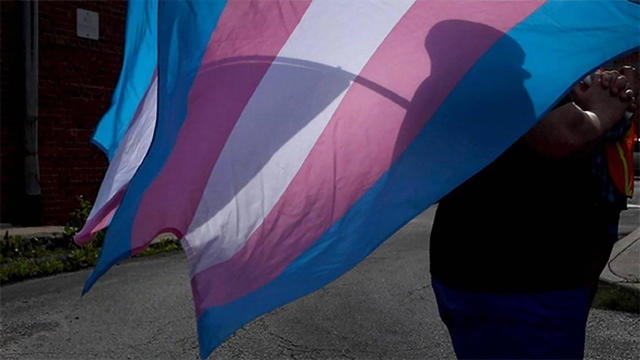
The requests by the U.S. Equal Employment Opportunity Commission mark a major departure from its prior interpretation of civil rights law.

The military announced in a social media post on Friday that it will no longer allow transgender people to enlist.
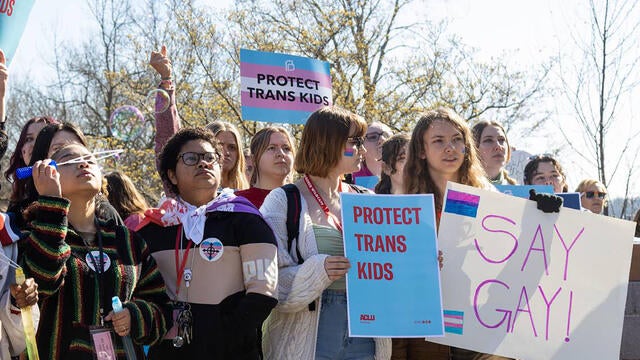
President Trump issued an executive order that seeks to restrict access to gender-affirming care for young people under the age of 19.
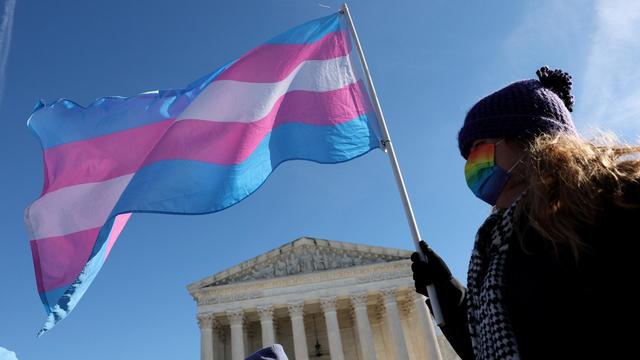
President Trump's executive action sought to restrict access to gender-affirming care for people under the age of 19.