U.S. launches task force to disrupt Iranian ground shipping routes
The U.S. did not say whether any military action would be involved in preventing weapons technology or sanctioned items from entering Iran.
Watch CBS News
The U.S. did not say whether any military action would be involved in preventing weapons technology or sanctioned items from entering Iran.
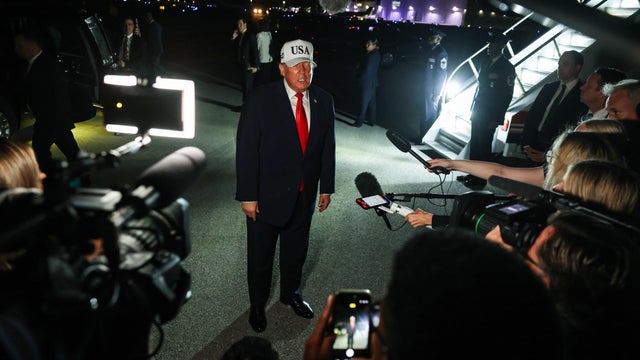
President Trump said on the eve of U.S. elections that a deal with Iran "could happen," but after new U.S. strikes, Tehran called America's response to the latest proposal "not convincing."
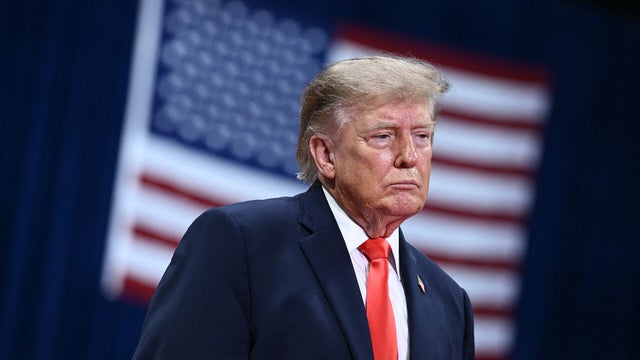
The U.S. launched limited strikes on Iran's Qeshm Island in the Strait of Hormuz after Iran fired at a U.S. aircraft, a senior U.S. official told CBS News.
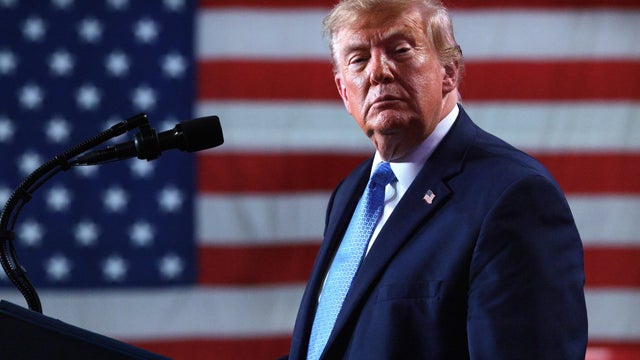
Earlier, President Trump predicted the war with Iran is "going to end soon," without offering any details, as Qatari mediators return to Tehran to push for a deal.

Israelis voted in a national election set to shape the country's next government, with the Iran war looming large over their decisions.
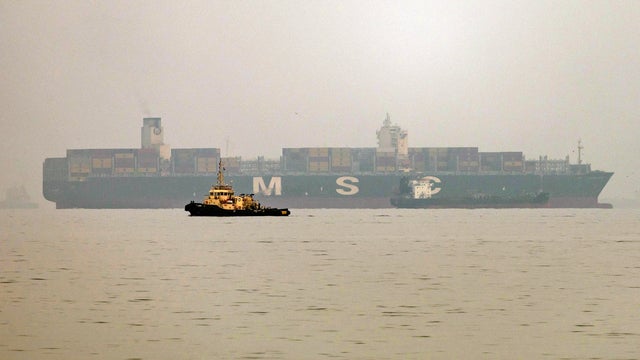
Iran's foreign minister said the U.S. could see the strategic waterway open within days if it abided by the conditions presented in the seven-day ceasefire plan.

The announcement comes four weeks after the U.S. signed a deal with Greenland and Denmark to bolster American military presence on the island.

As President Trump mulls joining Saudi Arabia in attacking the Houthis, the Iran-backed group threatened a "painful" response.
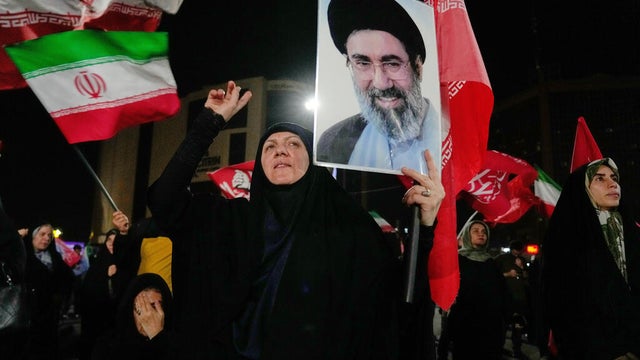
After Saudi Arabia said Iran's Houthi allies carried out another strike at Riyadh's airport, Iran called the U.S. effort to negotiate toward ending the war "insufficient."
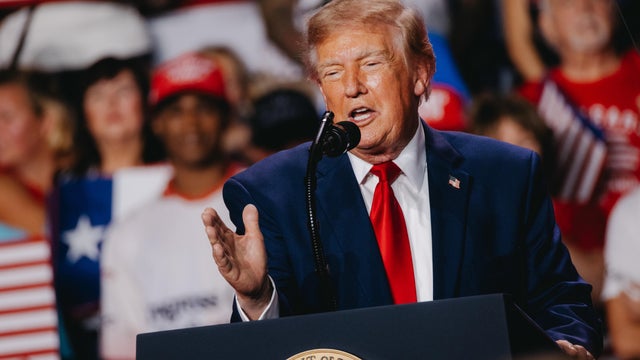
Crude oil prices had shot up on Thursday after reports President Trump was considering more strikes. They immediately dropped again after his new announcement.
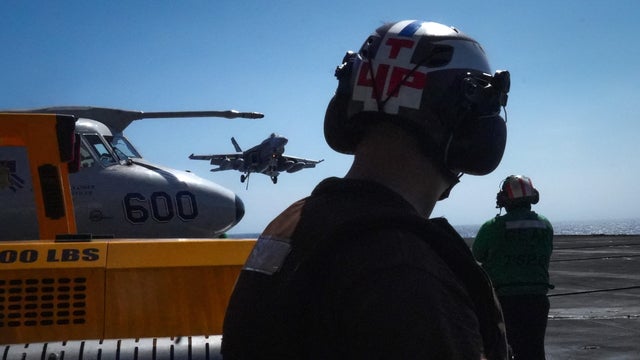
Vice President JD Vance, Secretary of State Marco Rubio and Defense Secretary Pete Hegseth were among the officials who met on Friday to discuss a path forward.

Iran had presented a seven-day plan to reopen the Strait of Hormuz and return to negotiations for a lasting end to the war.
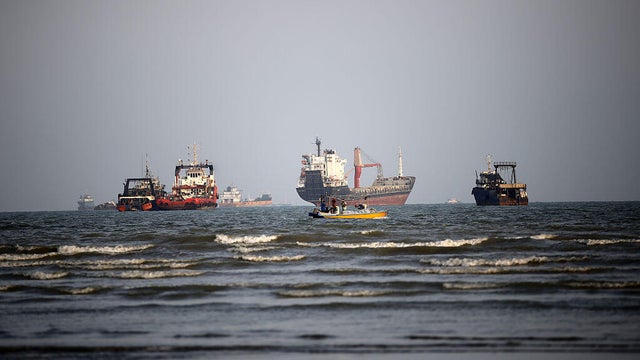
The alerts did not cite a specific threat, but called for Americans to "exercise heightened vigilance."
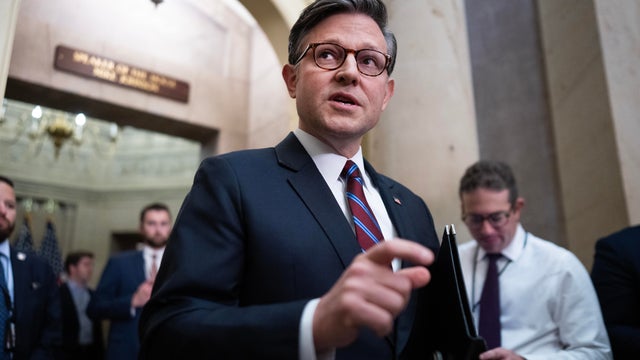
The Iran war has cost the U.S. military at least $33.4 billion — most of it on munitions — and not including hundreds of millions more spent by other agencies, the Pentagon says.
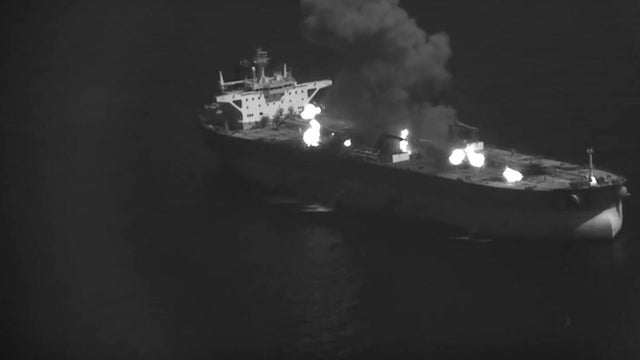
Iran on Sunday threatened a "more painful" response to U.S. strikes on three Iranian oil tankers.
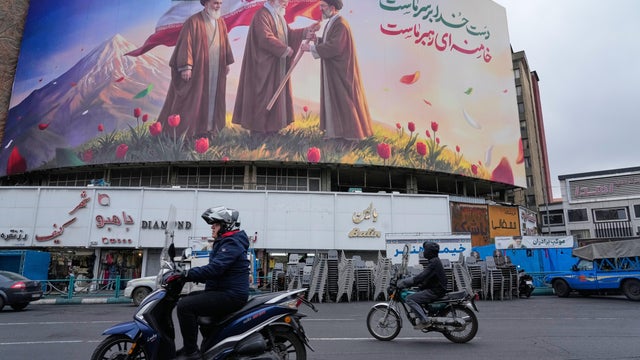
As the war passes the six-month mark, neither side showed any sign of backing down.
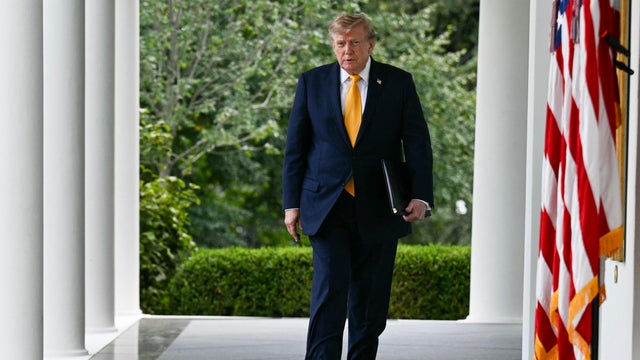
President Trump has accused oil companies like Chevron and ExxonMobil of "making too much money." He owns shares of both.
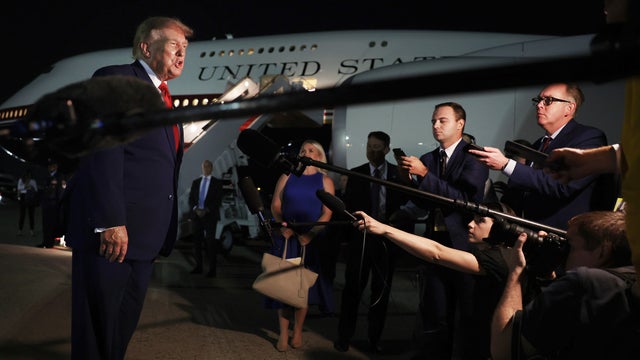
President Trump said Wednesday that the U.S. has "total control" over the Strait of Hormuz, writing on social media: "I THINK WE WILL KEEP IT."
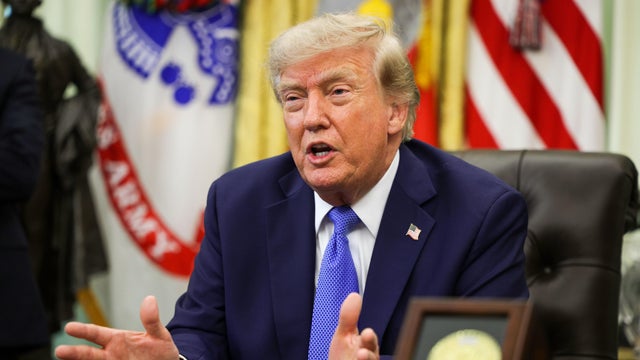
The U.S. and Iran are close to agreeing on "some sort of arrangement," Pakistan's defense minister told Bloomberg on Tuesday.
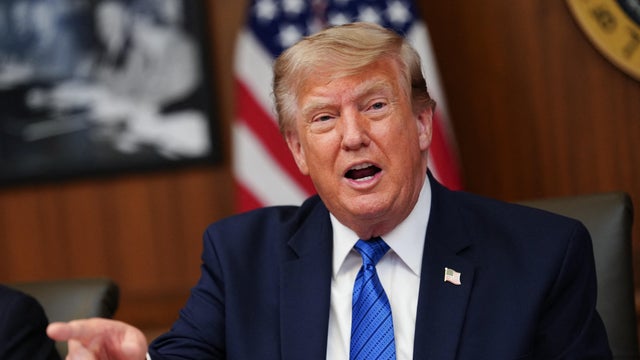
President Trump said negotiations with Iran are set to begin Monday after announcing Saturday night that he canceled a pending attack on Iran.
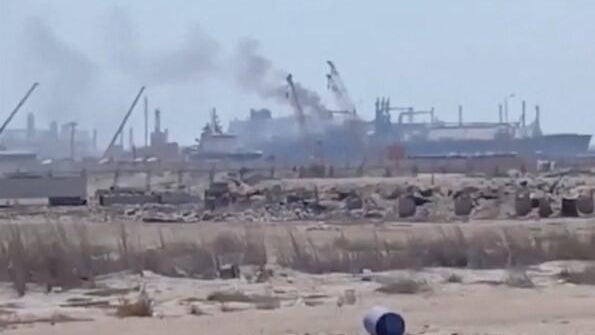
A vote in the Senate to limit President Trump's war powers has narrowly failed again. Three Republicans voted in favor of it.
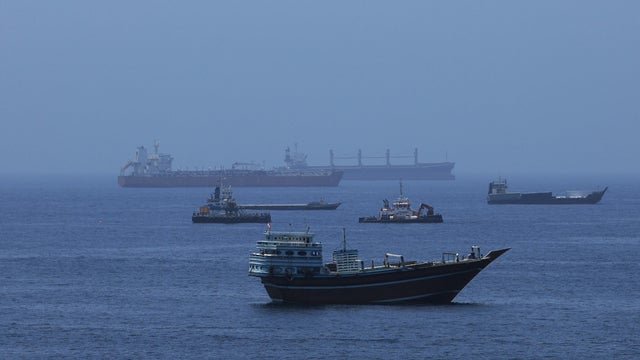
Talks between Oman and Iran on reopening the Strait of Hormuz and their respective territorial waterways have made progress, two sources told CBS News.
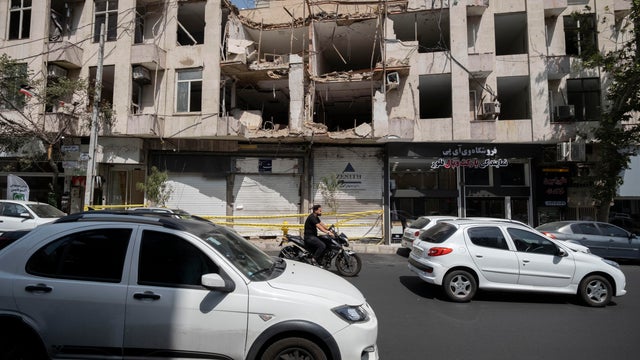
The U.S. moves more refueling planes to the Mideast and adds medics at a major military hospital as the war with Iran spreads to another key waterway.

The national average for a gallon of gas reached $4.003 on Monday, the first time in over a month it has crossed that threshold, AAA data shows.
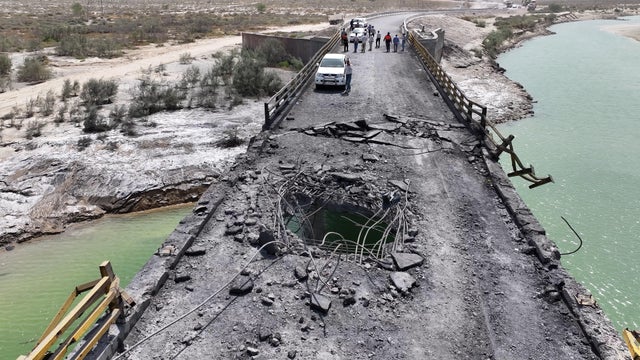
Two U.S. service members were killed earlier in Jordan and a third was missing in action, the U.S. Central Command said.