Senate returns as lawmakers stare down government shutdown
The Senate returned to Washington on Monday with less than two days to fund the government amid a stalemate between Democrats and Republicans on the path forward.
Watch CBS News
The Senate returned to Washington on Monday with less than two days to fund the government amid a stalemate between Democrats and Republicans on the path forward.

President Trump is scheduled to meet Monday with Senate Majority Leader John Thune, Senate Minority Leader Chuck Schumer, House Speaker Mike Johnson and House Minority Leader Hakeem Jeffries.
The economic impact of a government shutdown depends on its duration, economists say. Some payments, like Social Security, would continue to be issued.
Lawmakers are facing a deadline of midnight Tuesday, when the 2026 fiscal year begins, to reach a deal to keep the government funded.
Democratic leaders dismissed the White House's recent threat that a government shutdown could spur large-scale layoffs of the federal workforce as "intimidation."
The Trump administration is raising the stakes as Congress faces a looming deadline to pass a government funding bill.
President Trump said Tuesday that he won't meet with Democratic leaders in Congress until they "become realistic" about their demands.
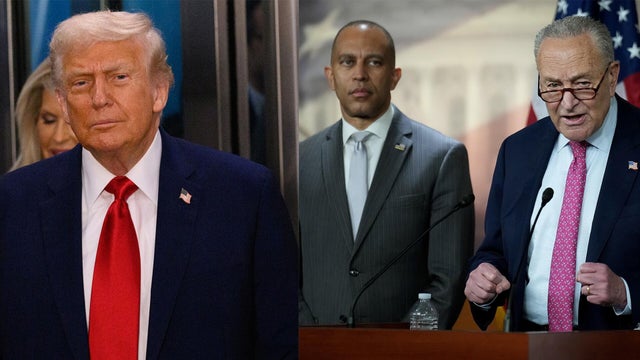
House Minority Leader Hakeem Jeffries is speaking out after President Trump canceled a meeting with Jeffries and Senate Minority Leader Chuck Schumer. The three had planned to speak about how to avert a government shutdown with a deadline to fund the government coming next week. CBS News congressional correspondent Caitlin Huey-Burns has more.
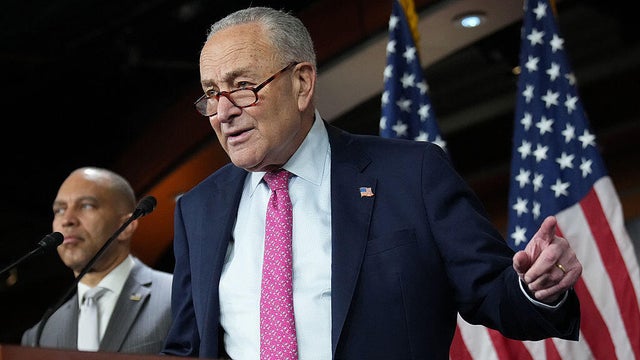
Democrats have pleaded with Republicans to negotiate before government funding expires at the end of the month.
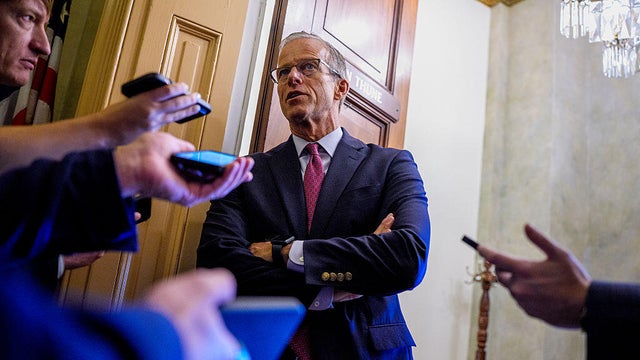
A Republican measure to keep the government funded past Oct. 1 stalled in the Senate after clearing the House on Friday.
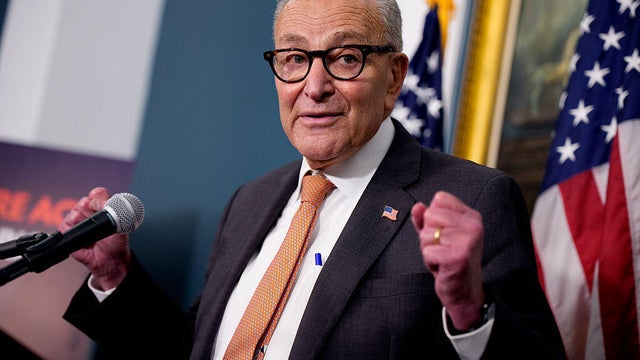
House Republicans advanced their own plan earlier Wednesday, moving one step closer to funding the government without provisions sought by Democrats.
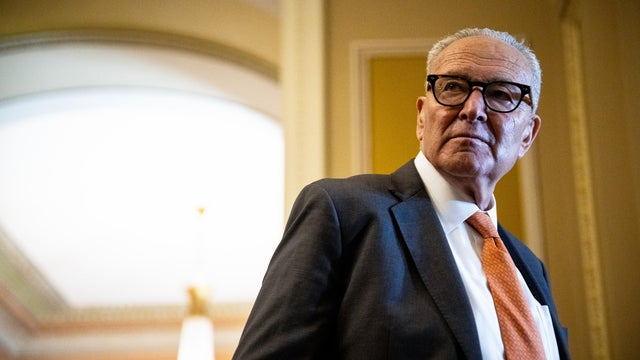
Republicans and Democrats are still far apart on how to avert a government shutdown just three weeks before funding runs out.
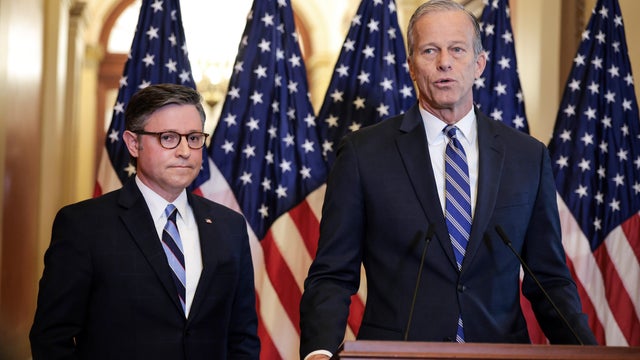
Congress returns this week from its August recess staring down a deadline to fund the government and avert a possible shutdown by month's end.
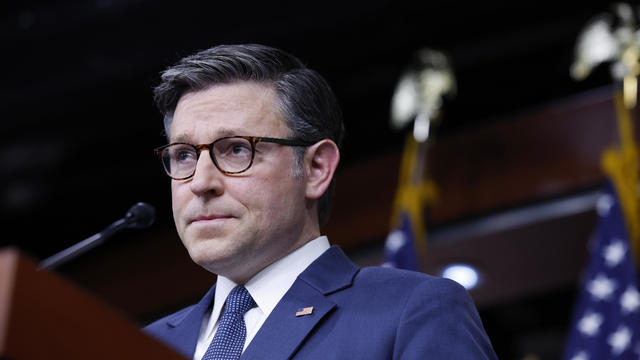
The House and Senate approved a stopgap measure to keep the government funded through Dec. 20, sending it to President Biden's desk.
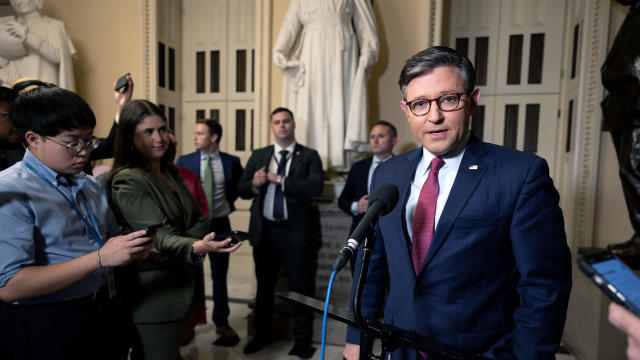
House Speaker Mike Johnson is looking for a path forward to keep the government open after the of the month.
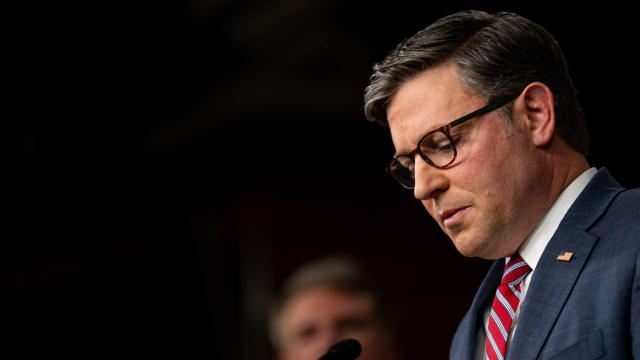
Speaker Mike Johnson said Wednesday that the House would not proceed with a planned vote on a stopgap measure to keep the government funded.
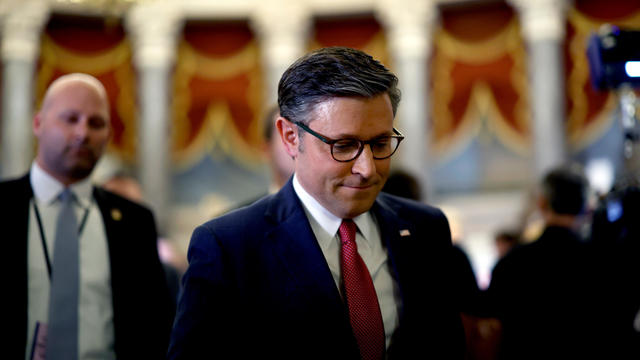
The package would conclude the long-delayed process of funding the government with a shutdown deadline quickly approaching.
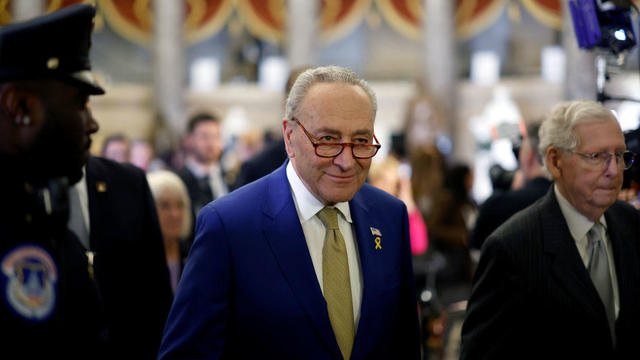
The six-bill package funds parts of the federal government through September.
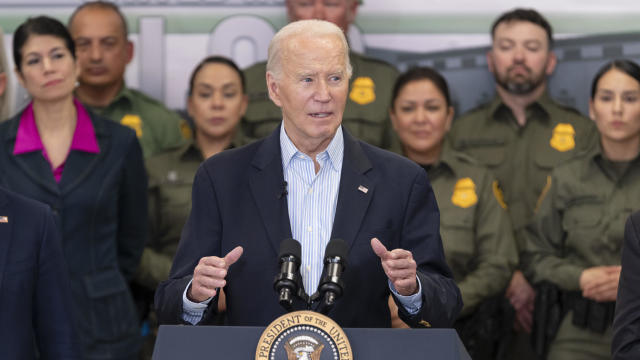
The measure delays a partial government shutdown for at least another week while Congress tries to agree on long-term funding.
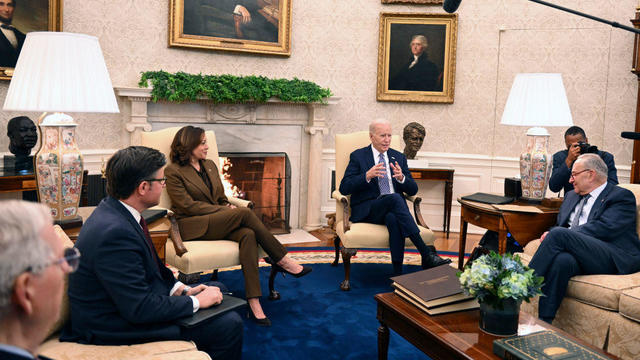
"We believe we can get to agreement on these issues and prevent a government shutdown, and that's our first responsibility," Speaker Mike Johnson said.

Lawmakers are set to return to Capitol Hill with only a matter of days to avert a partial government shutdown.
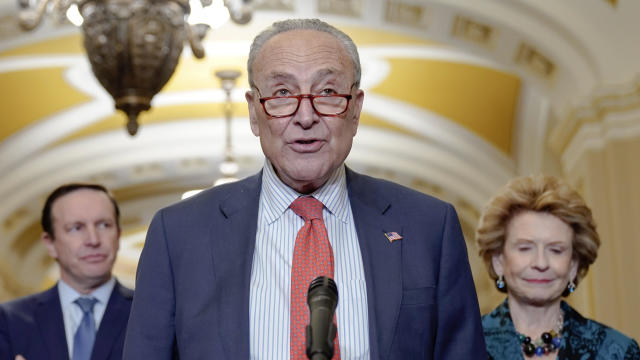
The stopgap measure averts a partial government shutdown, delaying the funding deadlines until March.
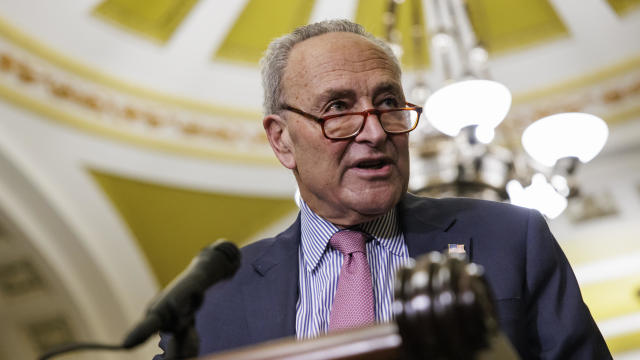
Facing next week's deadline to avert a shutdown, Senate Majority Leader Chuck Schumer made plans to move forward with a temporary measure to keep the government funded.
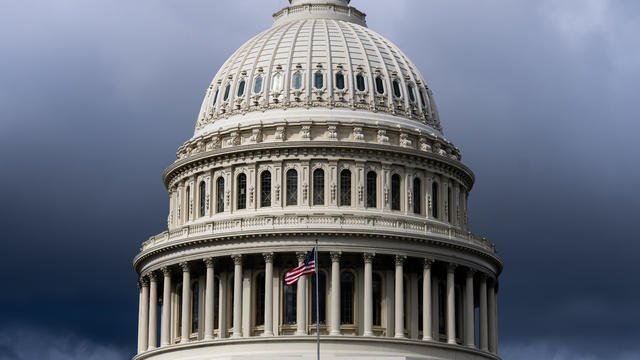
"Even just the discussion of shutdowns causes a noticeable change in foot traffic," the owner of an appliance store Virginia said. "It hurts."
The agreement is central to avoiding a government shutdown later this month.