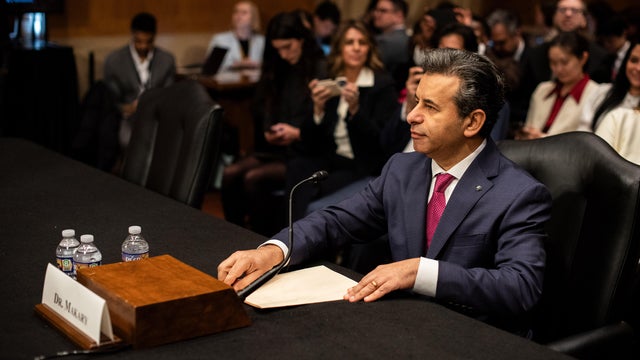
FDA blocked melanoma drug as confusion reigned under Makary
A third of patients in a clinical trial had tumors shrink while taking a genetically engineered treatment known as RP1.
Watch CBS News
A third of patients in a clinical trial had tumors shrink while taking a genetically engineered treatment known as RP1.

Former Sen. Ben Sasse, 54, called daraxonrasib "a miracle drug" that was allowing him to live longer and with less pain.

"Dawson's Creek" and "Varsity Blues" star James Van Der Beek has died at 48 years old.

D'Angelo's family said he died Tuesday after a "prolonged and courageous battle with cancer."

The 58-year-old chef said in a social media post that he had a Basal cell carcinoma removed from his skin.

As more people aged 45-49 are getting screened for colon cancer, more early stage diagnoses are being made, according to new research from the American Cancer Society.
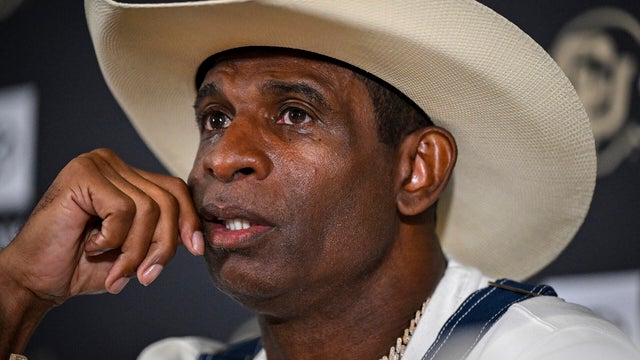
From dealing with a catheter to using adult diapers, University of Colorado head football coach Deion Sanders is willing to speak out about his cancer recovery.

Scientists conducting medical research are facing an existential crisis: Layoffs and budget cuts pushed by President Trump that, they say, jeopardize finding a cure for cancer.
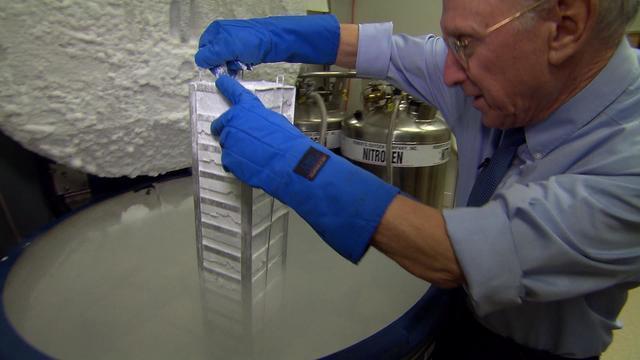
Dr. Jon LaPook introduces us to the next frontier of cancer treatment: immunotherapy, in which the body's own immune system is genetically modified to detect and destroy cancer cells.

Some women who have lost breasts to cancer have chosen to deal with their loss in a fashion that is sparking conversations, and controversy. They call it "going flat." Instead of reconstructing their bodies with surgical implants, they are embracing their scars, and even baring them in defiance of the disease. Erin Moriarty of "48 Hours" reports.

They're miracles in small packages. Nearly 16,000 kids worldwide are diagnosed with cancer every year, but their odds of beating it have never been better. Tracy Smith reports on the advances being made against pediatric cancers, made possible in part by the fundraising of charities like Alex's Lemonade Stand Foundation.

No one wants to hear that six-letter word, and if you have it, you just want to get rid of it as quickly as possible. The desire for aggressive treatment is understandable. However, when it comes to how we treat cancer, the pendulum is swinging, with an increasing number of medical professionals now saying we over-diagnose - and consequently over-treat - patients. Barry Petersen reports.
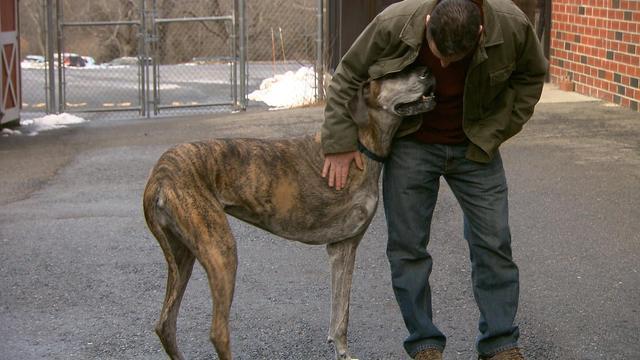
Comparative oncology, a rapidly-growing field of cancer research, pairs veterinarians with human doctors in the fight against cancer. Because certain cancers in dogs and people share striking similarities, the hope is that a new treatment for dogs, if successful, could be applied to people, too. Susan Spencer reports.

Researchers have learned that certain cancers alter human breath. Now they are exploring the possibility of using a breath test as a simple diagnostic tool for cancer. Susan Spencer reports.

Dr. Jon LaPook introduces us to the next frontier of cancer treatment: immunotherapy, in which the body's own immune system is genetically modified to detect and destroy cancer cells.
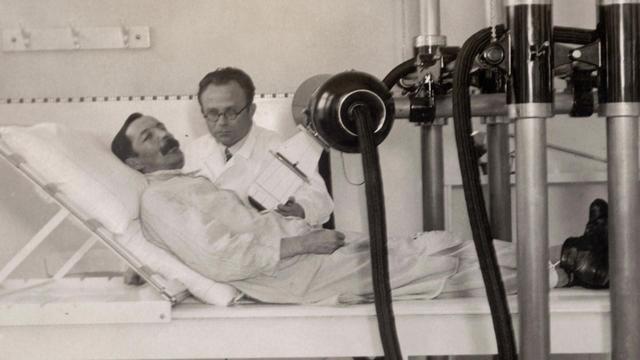
In his Pulitzer Prize-winning book, physician and scientist Siddhartha Mukherjee called cancer "The Emperor of All Maladies." He and anchor Jane Pauley discuss the milestones in cancer's history, and the breakthroughs in mankind's attempt to conquer it. Originally broadcast on March 12, 2017.

Anna Werner examines the subject of cancer clusters, and how difficult it is to detect and link environmental causes to cancer cases. Originally broadcast on March 12, 2017.
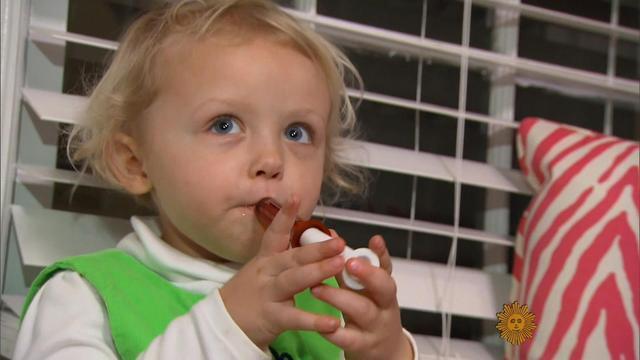
They're miracles in small packages. Nearly 16,000 kids worldwide are diagnosed with cancer every year, but their odds of beating it have never been better. Tracy Smith reports on the advances being made against pediatric cancers, made possible in part by the fundraising of charities like Alex's Lemonade Stand Foundation.

Some women who have lost breasts to cancer have chosen to deal with their loss in a fashion that is sparking conversations, and controversy. They call it "going flat." Instead of reconstructing their bodies with surgical implants, they are embracing their scars, and even baring them in defiance of the disease. Erin Moriarty of "48 Hours" reports.

Scorpions can be deadly, but they can also help save lives. Researchers have discovered that molecules derived from the scorpion's venom, combined with fluorescent dye, will stick to cancer cells and light up tumors on scans, so that surgeons can see precisely where to cut. Susan Spencer reports. Originally broadcast on March 12, 2017.

Comparative oncology, a rapidly-growing field of cancer research, pairs veterinarians with human doctors in the fight against cancer. Because certain cancers in dogs and people share striking similarities, the hope is that a new treatment for dogs, if successful, could be applied to people, too. Susan Spencer reports.

Can what you eat make a difference in preventing cancer, or in aiding cancer treatment itself? Correspondent Martha Teichner talks with Dr. Margaret Cuomo, dietician Mary-Eve Brown, chef Eric Levine, and patients undergoing chemotherapy about the relationship between diet and disease. Originally broadcast on March 12, 2017.
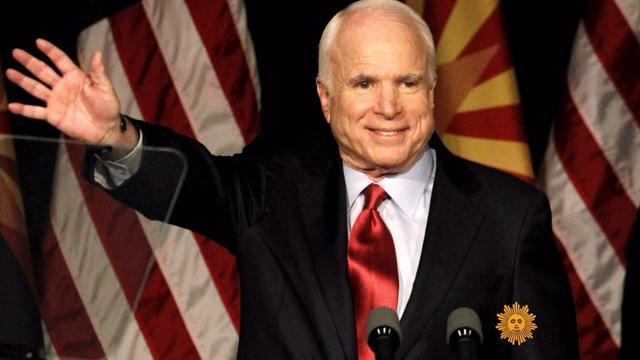
The Hippocratic Oath advises doctors to first DO NO HARM - so imagine intentionally using a virus that causes paralysis in hopes of treating the deadliest form of brain cancer. That's what doctors are trying with some patients with glioblastoma, the same cancer Arizona Senator John McCain is now grappling with, by using a reengineered polio virus. Dr. Jon LaPook reports.

A vaccine exists that can actually prevent cancer, yet millions of people are not taking it. Dr. Tara Narula reports on how immunization against the human papillomavirus (or HPV) can prevent many cancers, but only two-thirds of girls and one-half of boys have received the vaccine.
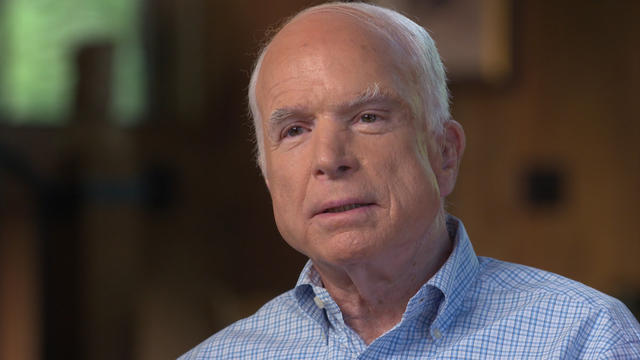
After a routine checkup, Sen. John McCain says he left his doctor only to be called on the way home: "You've got to come back...it's very serious"

Genomic analysis showed the virus found aboard the MV Hondius shows no evidence of new characteristics so far.
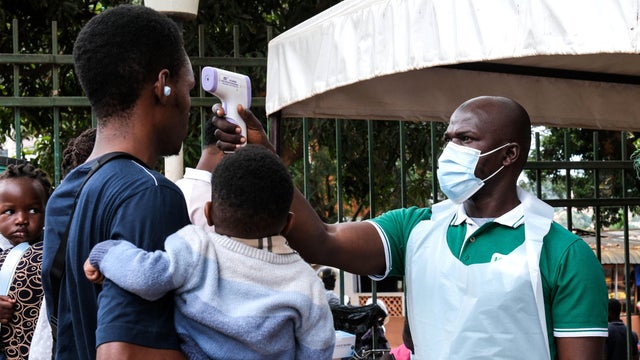
At least 80 deaths have been reported in Congo's new Ebola disease outbreak in the eastern Ituri province, authorities said.

Tommy Bell thought he was in good shape. But a series of heart attacks painted a more complicated picture.
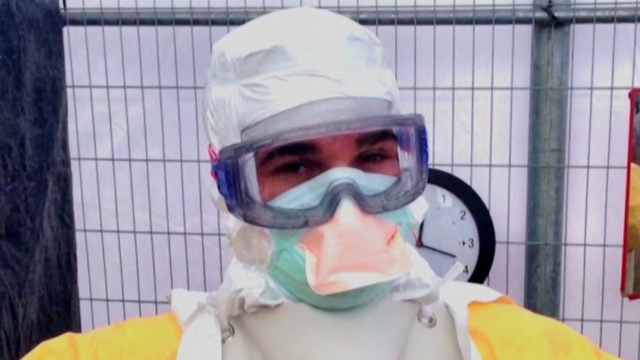
A New York doctor who contracted and survived Ebola more than a decade ago says he is worried for healthcare workers who are at the center of treating the latest outbreak.

Dr. Tracy Beth Høeg, leader of the Food and Drug Administration division responsible for regulating prescription and over-the-counter drugs, is leaving her post, a senior FDA official confirmed.
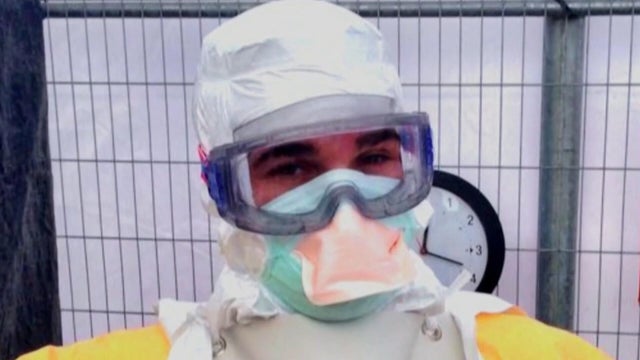
Doctors are monitoring an Ebola epidemic in Africa that may be to blame for dozens of deaths so far. Lilia Luciano reports and spoke with a U.S. doctor who recovered from the virus.
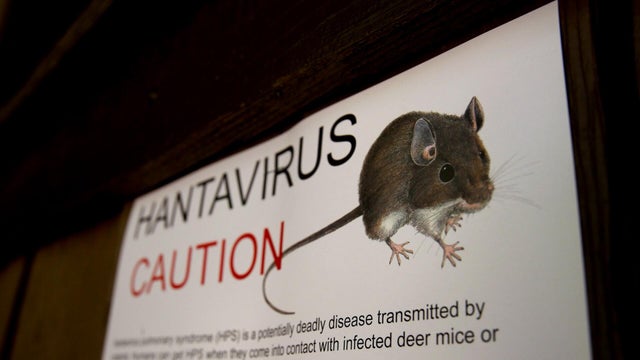
The deadly hantavirus outbreak on a Dutch-flagged cruise ship was caused by the Andes virus, the only known strain to spread from person to person. Rodents are known to carry hantavirus, but what's the disease's origin story? Ramy Inocencio explains.
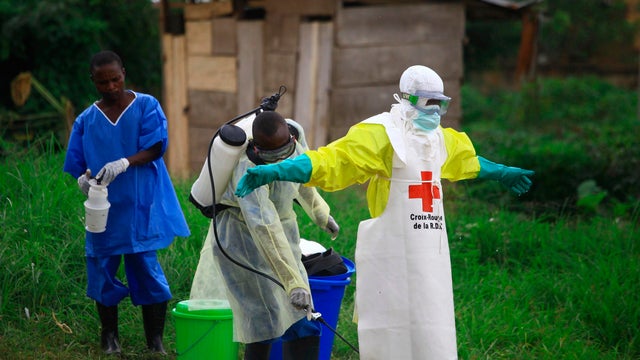
A new Ebola outbreak in a remote province in Congo has caused 65 deaths and 246 suspected cases so far, Africa CDC says.
A third of patients in a clinical trial had tumors shrink while taking a genetically engineered treatment known as RP1.
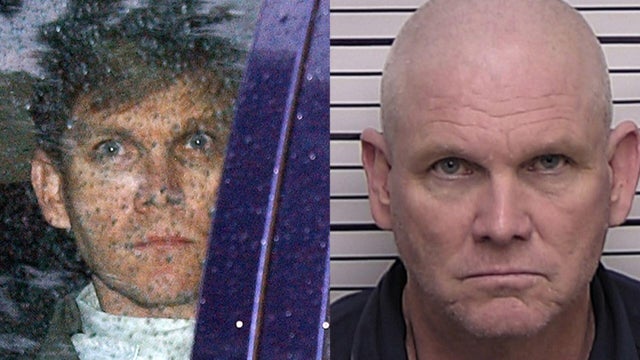
In New Mexico, a man is charged with forgery & larceny – and convicted of putting out a hit on his estranged wife. Twenty-six years earlier, a fire in Monaco kills a billionaire and his private nurse. At the center of that mystery was the very same man — with a different name.

Incumbent GOP Sen. Bill Cassidy, who had occasionally broken with the Trump administration, lost his bid for a third term.
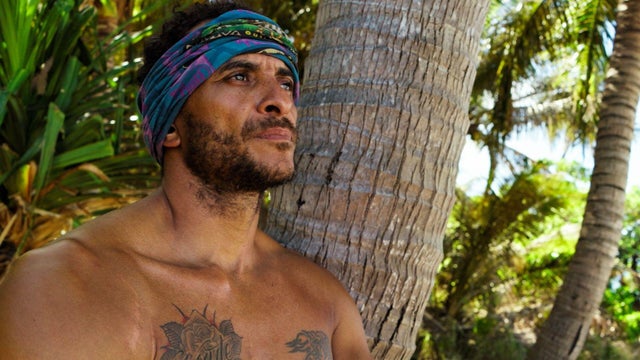
"Survivor" 48 and 50 contestant Joe Hunter believes his sister Joanna, whose death was ruled a suicide, was murdered. He and their mother are working to be Joanna's voice and advocate for others who have experienced domestic violence.

FIFA President Gianni Infantino joked that if someone does pay $2 million for a ticket to the World Cup final, "I will personally bring him a hot dog and a Coke."

Approximately 40 million people across the West depend on the Colorado River for water every single day. But the region could soon face drastic measures as the river keeps shrinking.

No injuries have been reported because of the issue, the Food and Drug Administration said.

President Trump's trip to China could bolster economic relations, but failed to deliver a breakthrough deal, some trade and energy experts said.

College grads outearn people without a degree within 15 years, even after paying for tuition, study finds.

As Powell steps down after more than eight years leading the Federal Reserve, economists say he helped steer the U.S. through historic shocks but misread inflation.

Oklahoma has filed a lawsuit against Roblox, making it the latest state to take legal action against the popular gaming platform over child safety concerns.
Incumbent GOP Sen. Bill Cassidy, who had occasionally broken with the Trump administration, lost his bid for a third term.

Police estimated that around 60,000 people attended the "Unite the Kingdom" march, making it one of the largest right-wing mobilizations seen in Britain in recent years.

Russia's Putin will travel to Beijing next week to meet China's Xi. The announcement came one day after President Trump returned from his own summit with the Chinese leader.

Rep. Julia Letlow, who was backed by President Trump in the primary against incumbent Sen. Bill Cassidy, has advanced to a runoff in the Louisiana Republican primary for Senate.

President Trump announced Friday evening that U.S. and Nigerian military forces had killed Abu-Bilal al-Minuki, a leader in the Islamic State group.
Genomic analysis showed the virus found aboard the MV Hondius shows no evidence of new characteristics so far.
At least 80 deaths have been reported in Congo's new Ebola disease outbreak in the eastern Ituri province, authorities said.
Tommy Bell thought he was in good shape. But a series of heart attacks painted a more complicated picture.
A New York doctor who contracted and survived Ebola more than a decade ago says he is worried for healthcare workers who are at the center of treating the latest outbreak.
Dr. Tracy Beth Høeg, leader of the Food and Drug Administration division responsible for regulating prescription and over-the-counter drugs, is leaving her post, a senior FDA official confirmed.

Iran and the U.S. cut diplomatic ties in 1980, and the players are expected to use their time in Turkey to complete the necessary procedures for obtaining visas.

This year's field of 35 contestants is the smallest since 2003.
Police estimated that around 60,000 people attended the "Unite the Kingdom" march, making it one of the largest right-wing mobilizations seen in Britain in recent years.

Colombia's presidential elections are scheduled for May 31, marking the end of the term for Gustavo Petro, the country's first leftist president.
At least 80 deaths have been reported in Congo's new Ebola disease outbreak in the eastern Ituri province, authorities said.
"Survivor" 48 and 50 contestant Joe Hunter believes his sister Joanna, whose death was ruled a suicide, was murdered. He and their mother are working to be Joanna's voice and advocate for others who have experienced domestic violence.
This year's field of 35 contestants is the smallest since 2003.
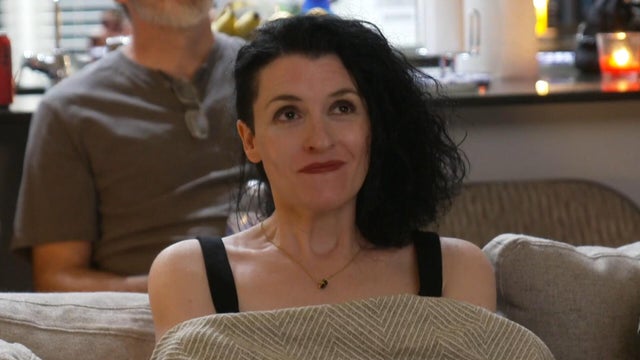
The "Survivor" season 50 finale premieres on Wednesday, and "CBS Saturday Morning" meets Sarah Polakiewicz, a "Survivor" superfan in Atlanta who built her own community around the show.

Kelly Reilly, Cole Hauser, and Finn Little of "Dutton Ranch" sit down with "CBS Saturday Morning" to discuss their characters' transitions from Montana to Texas, and more on the new "Yellowstone" spinoff.

Five-time Grammy winner and blues legend Taj Mahal is best known for hits like "Corinna" and "Statesboro Blues," and has collaborated with The Rolling Stones and Eric Clapton during his career that spans six decades. His latest album, "Time," was recorded with his long-time bandmates "The Phantom Blues Band." Here's Taj Mahal performing "Time."

Atlanta residents say they're waking up to traffic jams of self-driving Waymo vehicles confused by neighborhood signage.

Atlanta residents woke up to Waymo traffic jams on Friday. The driverless cars took over a quiet cul-de-sac. Skyler Henry has more details.

From labor shortages to environmental impacts, farmers are looking to AI to help revolutionize the agriculture industry. One California startup, Farm-ng, is tapping into the power of AI and robotics to perform a wide range of tasks, including seeding, weeding and harvesting.
Oklahoma has filed a lawsuit against Roblox, making it the latest state to take legal action against the popular gaming platform over child safety concerns.

President Trump's visit to Beijing comes as the U.S. and China compete for artificial intelligence supremacy. Matt Sheehan, senior fellow at the Carnegie Endowment for International Peace, joins with analysis.

The long-necked herbivore is the largest ever found in Southeast Asia, researchers said.

The last time an El Niño pattern occurred was in 2023, when the Eastern Pacific hurricane season produced 20 tropical systems.

NASA's Psyche spacecraft will slingshot past Mars on Friday, on its way toward a rare metal-rich asteroid.

Greater protections for endangered emperor penguins and how to manage growing tourism are topping the agenda at talks on Antarctica in Japan.

The Pentagon released UFO documents on Friday, with President Trump telling the public to "have fun" deciding for itself what is going on. Carter Evans reports.
In New Mexico, a man is charged with forgery & larceny – and convicted of putting out a hit on his estranged wife. Twenty-six years earlier, a fire in Monaco kills a billionaire and his private nurse. At the center of that mystery was the very same man — with a different name.
"Survivor" 48 and 50 contestant Joe Hunter believes his sister Joanna, whose death was ruled a suicide, was murdered. He and their mother are working to be Joanna's voice and advocate for others who have experienced domestic violence.
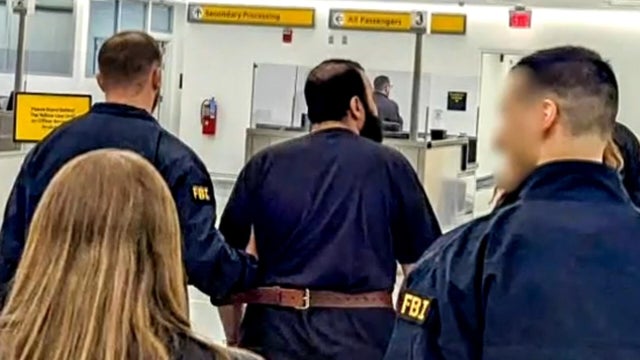
Mohammad Baqer Saad Dawood Al-Saadi, an Iraqi national, is facing federal charges for his alleged terror plots targeting Jewish institutions around the U.S.
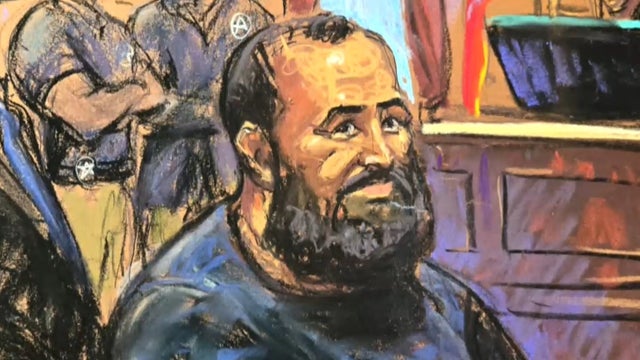
A terror plot targeting Jewish institutions in New York, California and Arizona has been foiled, and a man linked to the alleged scheme is under arrest on Friday. Prosecutors say the Iraqi suspect is tied to other global attacks and claim he wanted payback for the U.S. and Israeli war on Iran. Tom Hanson reports.

An Iraqi national was arrested and charged with planning to carry out several terror attacks in the U.S., including at a New York City synagogue and other prominent Jewish centers in Los Angeles and Scottsdale, Arizona. CBS News' Anna Schecter reports.

The International Space Station-bound SpaceX Cargo Dragon is loaded with 6,500 pounds of needed equipment, research gear and crew supplies.

Researchers expected to find "a gradual increase in artificial light at night," but instead saw "much more nuanced patterns," NASA said.
NASA's Psyche spacecraft will slingshot past Mars on Friday, on its way toward a rare metal-rich asteroid.

NASA's Apollo 17 crew reported seeing three mysterious dots and sparks that resembled fireworks, according to new files released by the Pentagon.

Defense Secretary Pete Hegseth said in a statement that the documents "have long fueled justified speculation — and it's time the American people see it for themselves."

A look back at the esteemed personalities who've left us this year, who'd touched us with their innovation, creativity and humanity.

Does the evidence show a cover-up, or was Todd Kendhammer wrongfully convicted for the murder of his wife?

Christy Salters-Martin dominated in the boxing ring but faced her toughest challenger at home.
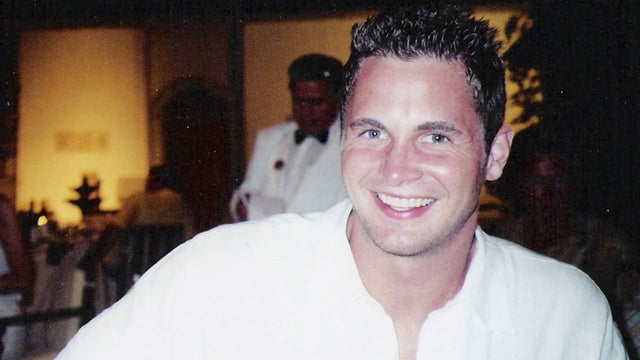
Family seeks answers in death of newlywed who disappeared in 2005 while on Mediterranean honeymoon cruise.

Meet the tattooed beauty charged in the death of Google executive Forrest Hayes.
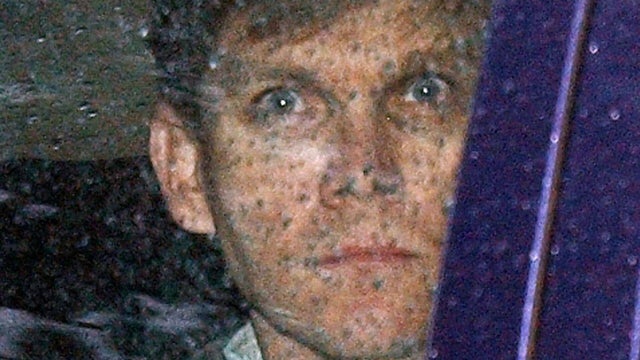
After a conviction in the arson death of a billionaire in Monaco, Ted Maher changes his name and puts out a hit on his estranged wife in New Mexico. He denies it all. "48 Hours" correspondent Erin Moriarty reports.

A "Survivor" contestant believes his sister was murdered and is determined to be her voice. "48 Hours" correspondent Natalie Morales reports.

In Peru, Illinois, the veterans reunite with the vintage warplanes they once flew. Noel Brennan has the story.

Anticipation is building for next month's World Cup Soccer Tournament, and so are costs, for both fans and the host cities. Adam Yamaguchi has more.

The Colorado River is on the brink of disaster. Its water is shared by seven states, which is a big part of the problem. Jonathan Vigliotti reports.