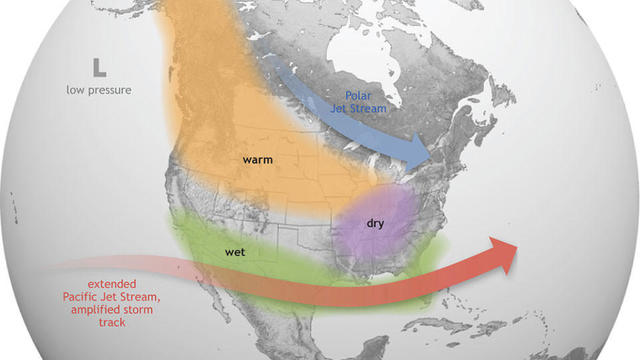
El Niño watch issued by NOAA's Climate Prediction Center
Climate scientists estimate the warm weather pattern could begin to develop as early as May.
Watch CBS News
Climate scientists estimate the warm weather pattern could begin to develop as early as May.
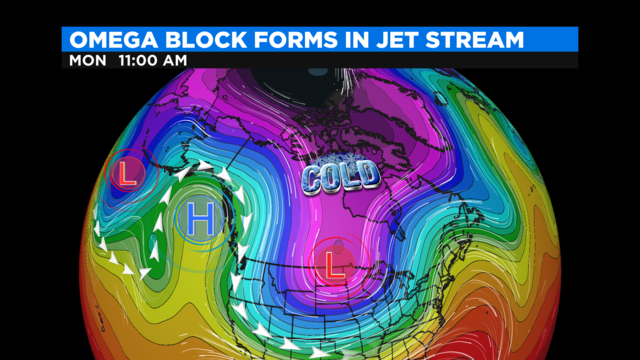
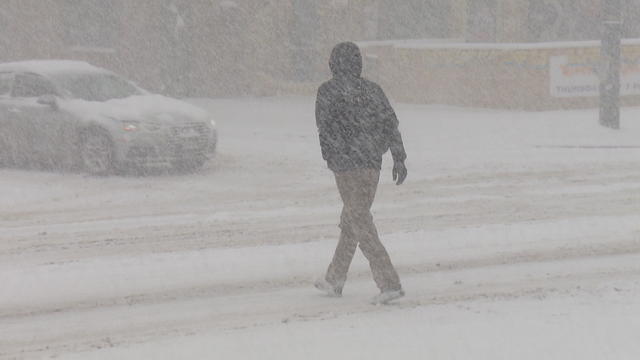
Mother Nature is making it easy to stay home and social distance this week with a snowy and unusually cold weather pattern.
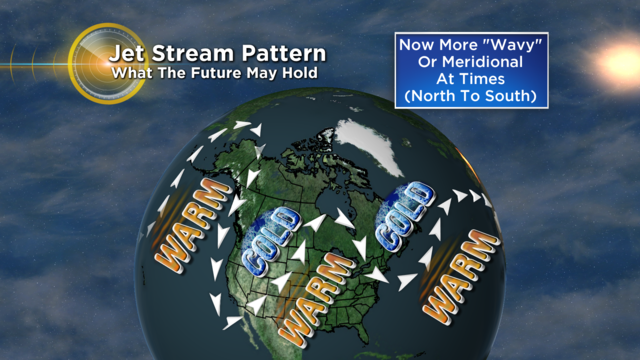
Many have raised the question about why the weather did what it did for so many days in row with little to no change during the month of May.
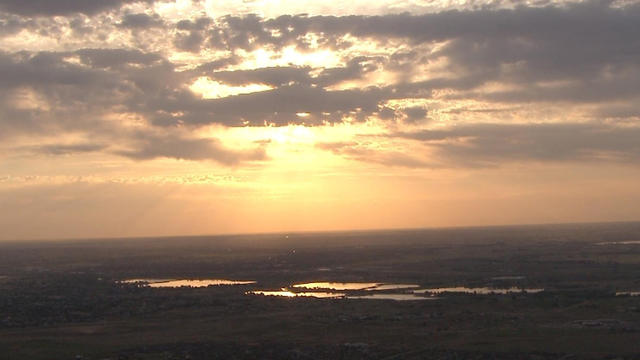
That's because we will have a strong westerly jet stream above us but occasional bouts of easterly winds at the surface.
El Niño can impact global weather, including the storm track across the United States.

High winds are expected to be an issue at times over the next 48 hours due to a strong jet stream in the area.
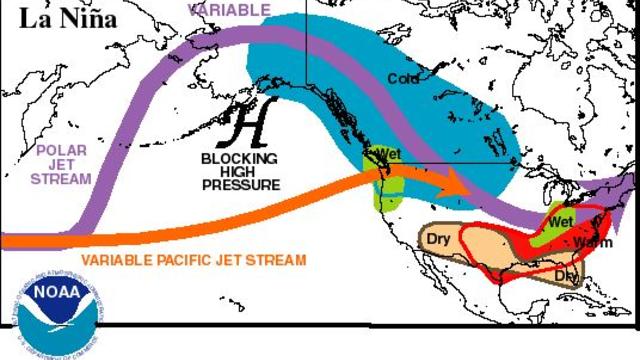
The Climate Prediction Center is now forecasting a 75 percent chance of La Niña during fall and winter 2016–17.
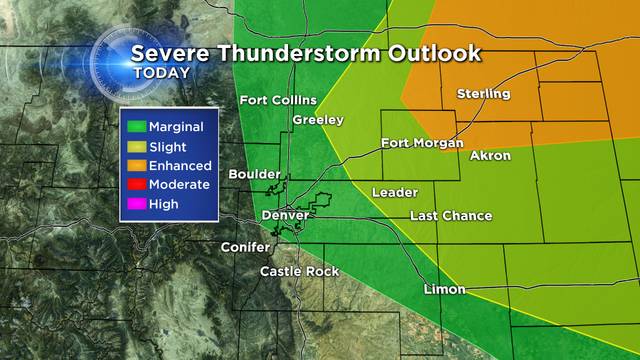
Tuesday's elevated risk of severe weather could bring the strongest storms that we've seen in several weeks.
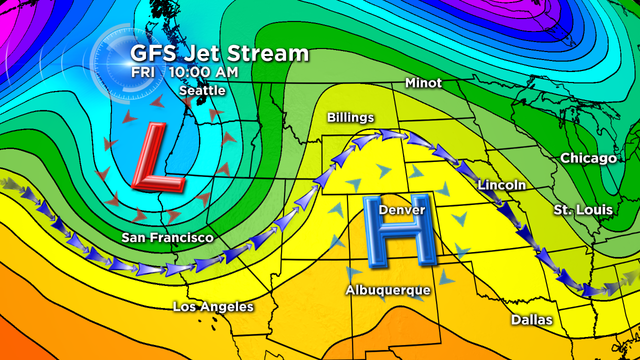
Clouds will be minimal through Friday, although the active weather returns by Saturday afternoon.
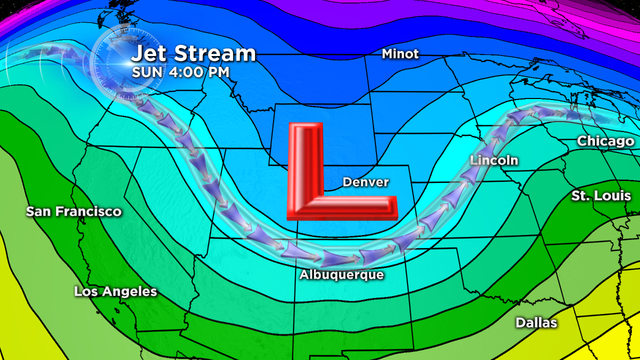
The Broncos game coincidentally falls on the most active day of our weather forecast.
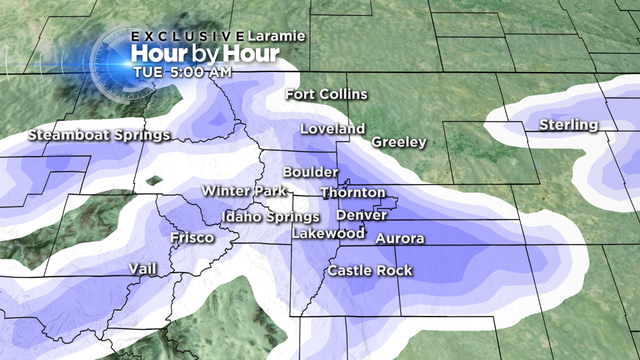
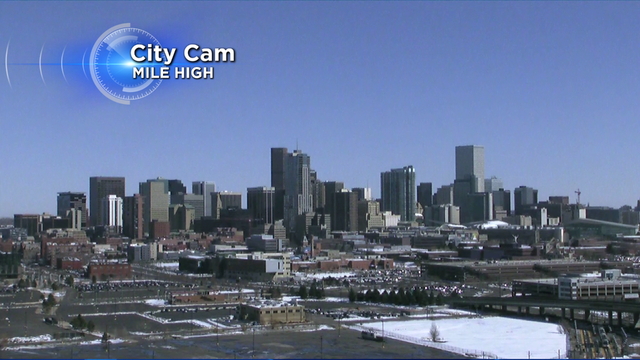
We cracked the 50 degree mark downtown but may not do it again until the end of this week.
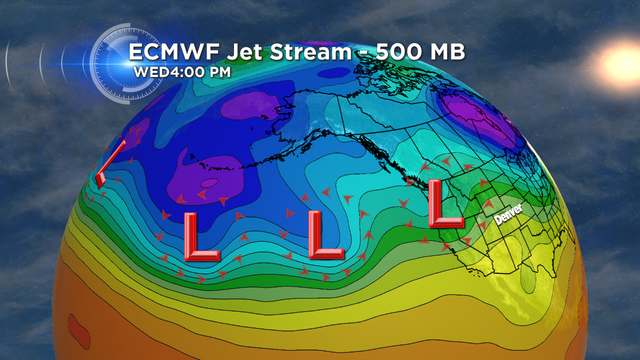
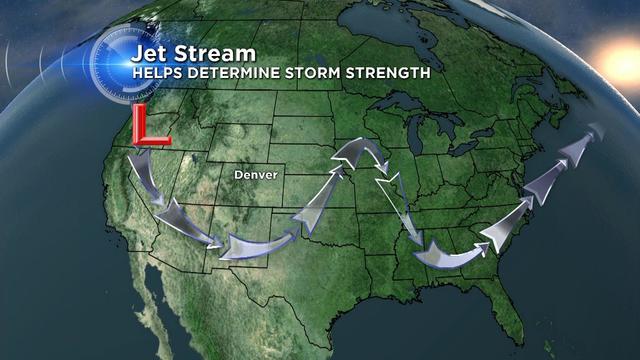
It's all part of an active jet stream that currently has a series of weather systems riding along it.
If you've been looking for a break from the cold and snow then you're going to love this story.
Much like you follow a recipe to make your favorite dish, there are certain things that need to come together along Colorado's Front Range to get a big winter snow storm.
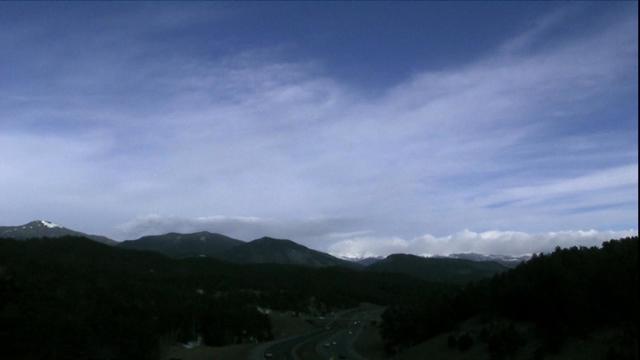
Timelapse video can help a meteorologist see movement at different levels of the atmosphere, providing a unique look at the weather.
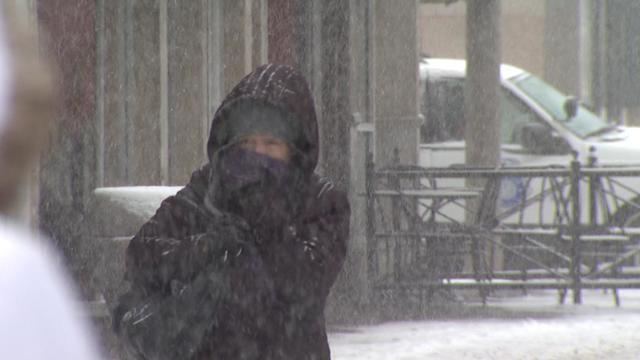
The jet stream hunkered to the south Wednesday, promising to bring nearly a week of temperatures that could dip to 20-below or worse in the northern midsection of the country.
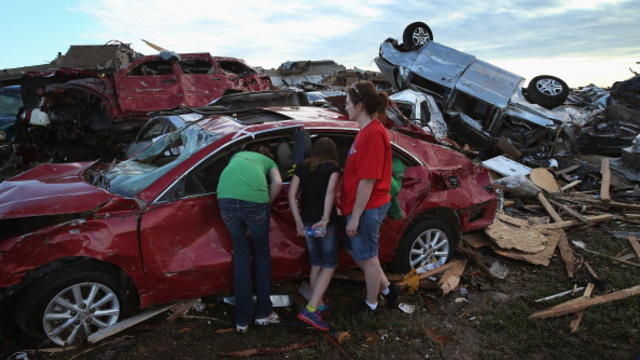
Everything had to come together just perfectly to create the killer tornado in Moore, Okla.: wind speed, moisture in the air, temperature and timing. And when they did, the awesome energy released over that city dwarfed the power of the atomic bomb that leveled Hiroshima.
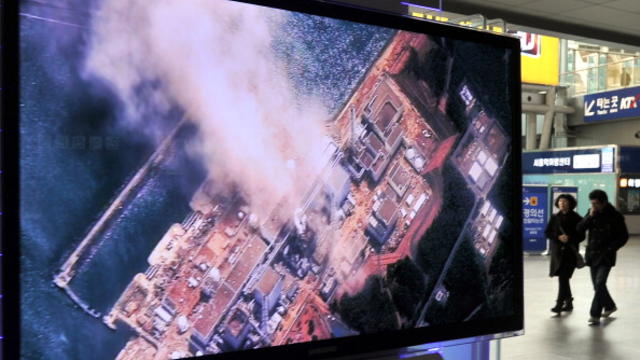
Japanese nuclear reactors are continuing to leak radiation. In fact, radiation has been detected as far out as 100 to 200 miles out to sea from Japan. Can that radiation make it to the United States?