What to know about ACA open enrollment this year
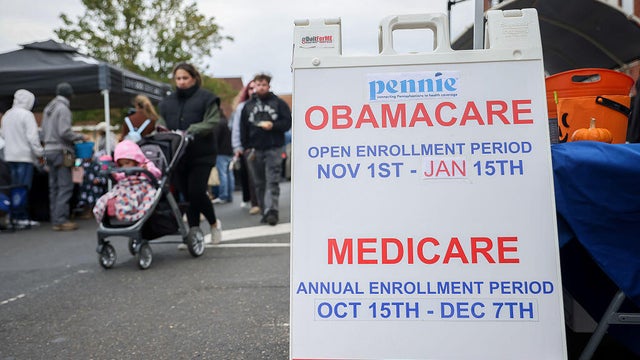
As open enrollment for Affordable Care Act health insurance kicks off, consumers face rising premiums, additional identity checks, and fewer brokers.
Watch CBS News
As open enrollment for Affordable Care Act health insurance kicks off, consumers face rising premiums, additional identity checks, and fewer brokers.

President Trump sent $500 checks to some Affordable Care Act enrollees, while 20 million Medicare recipients will soon get $90 checks. Will they make a difference?

Some families with more than one "affected person" could receive multiple payments via check or direct deposit, an administration official told CBS News.

A long-running lawsuit challenging what it means to be an employee and therefore have access to work-based health plans is being closely watched by health policy analysts.

Affordable Care Act recipients in 30 states are set to receive the $500 checks starting in October. Here's why.
Rising premiums forced many people in Affordable Care Act plans to give up their coverage. But the Trump administration claims a huge drop in enrollment is almost entirely due to its fraud crackdown.

Congress' decision not to extend enhanced marketplace tax credits has boosted the appeal of alternative health coverage with lower monthly premiums.
An uptick in people skipping Obamacare premium payments in many states suggests the Affordable Care Act's rising costs are hitting home for 2026 enrollees.

Critics have questioned why the federal government should underwrite coverage costs for people with ACA health plans — but almost all health insurance in the U.S. comes with some federal help.

Experts say Affordable Care Act sign-up data won't be clear until people who were enrolled have paid — or not — their new, often much higher, premiums.
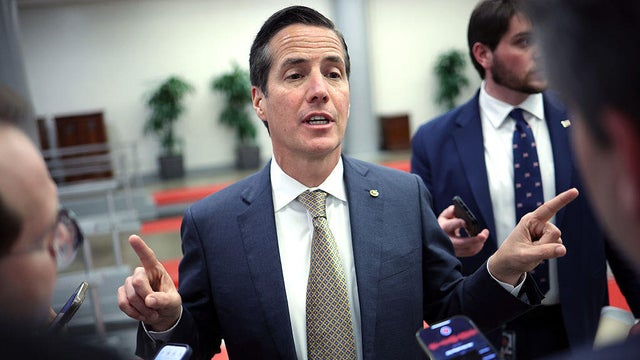
"We are in a little bit of a pothole," said GOP Sen. Bernie Moreno, who previously expected the compromise to be unveiled this week.

Roughly 1.4 million fewer Americans have signed up for an Affordable Care Act plan as expiring tax breaks drive up premiums.

After the ACA tax credit lapsed in December, enrollees are opting for less robust health plans or dropping coverage altogether.

The House approved a three-year extension of expired health care tax credits, with increased Republican support.

Enhanced tax credits that have helped Americans offset the cost of Affordable Care Act health insurance for the last four years expired overnight.
Millions of people with an Affordable Care Act health plan face a massive jump in premiums next year — this chart shows just how much.

The Republican proposal does not include an extension to the expiring Affordable Care Act premium tax credits.
"I don't know how I'm going to pay for this," said one person with an Affordable Care Act plan that will cost her $1,100 a month starting in January.
An extension of enhanced ACA tax credits appears unlikely, experts say, leaving millions of Americans facing potentially higher health plan costs in 2026.

Lori Hunt, a breast cancer survivor, says she "couldn't afford" health insurance without the subsidies she receives through the Affordable Care Act.

With time running out to avert a government shutdown, millions of Americans who get health insurance under the Affordable Care Act could soon face sharply higher premiums.

Tens of millions of people face sticker shock enrolling in Affordable Care Act insurance for 2026. To save money, the Trump administration wants them to consider less generous coverage.

An estimated 4 million Americans will lose health insurance over the next decade if Congress doesn't extend enhanced subsidies for Affordable Care Act marketplace coverage.

The Affordable Care Act requires health insurers and group health plans to cover certain preventive-care services recommended by the U.S. Preventive Services Task Force at no cost to patients.
Republicans wants to extend 2017 tax cuts that expire next year and could let ACA subsidies lapse to help pay the tab, according to analysts.