Largest dam at Colorado's largest body of water undergoes overhaul
Federal workers have taken the first steps in a $32 million maintenance of the Blue Mesa Dam, the largest of three dams that were built in the 1960s to create Colorado's biggest reservoir.
It's the first time the four original valves of the dam have been replaced since construction finished in 1966.
The project will take several years.
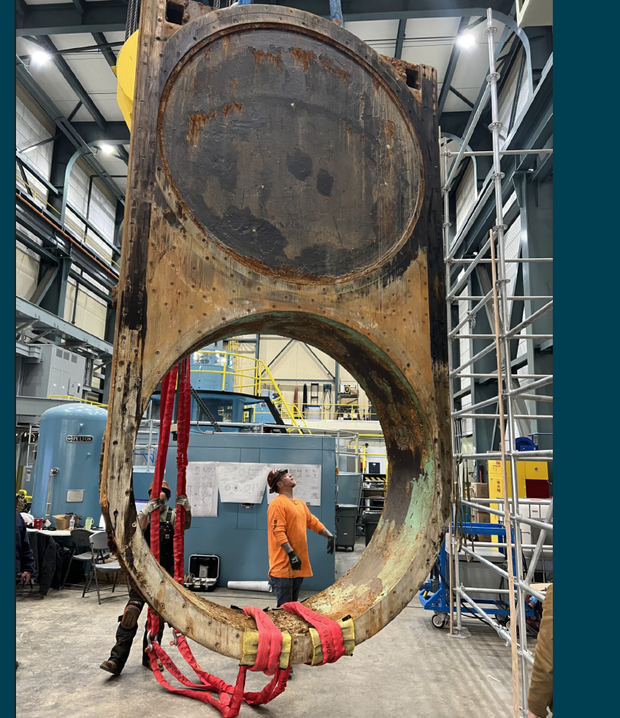
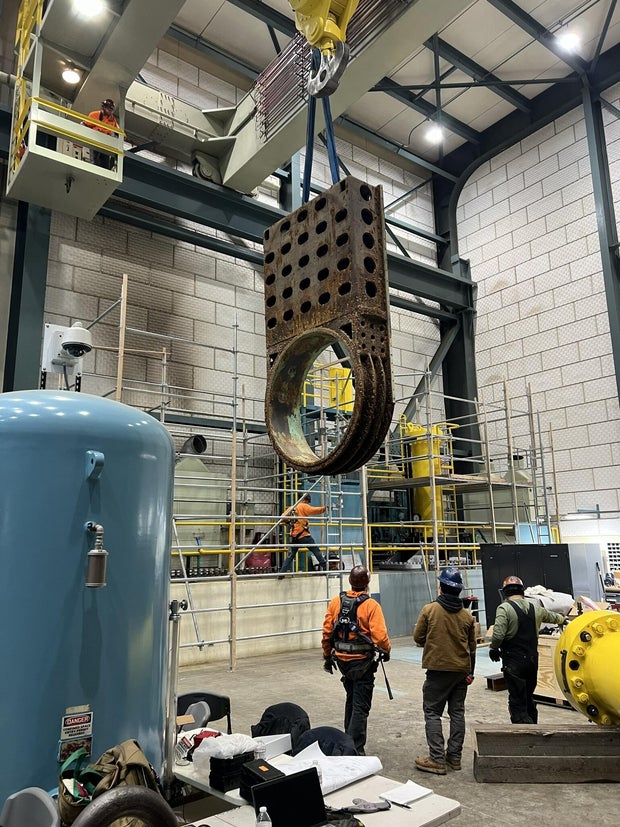
The four valves - two ring follower gate valves and two butterfly valves - will be replaced one at a time. The first valve, an 18 foot by seven foot, 14-ton ring follower gate valve, was disconnected and removed by a 12-ton hydraulic lift in January, according to the U.S. Bureau of Land Management. That valve was transported to California for refurbishing. It is scheduled to return for installation in August.
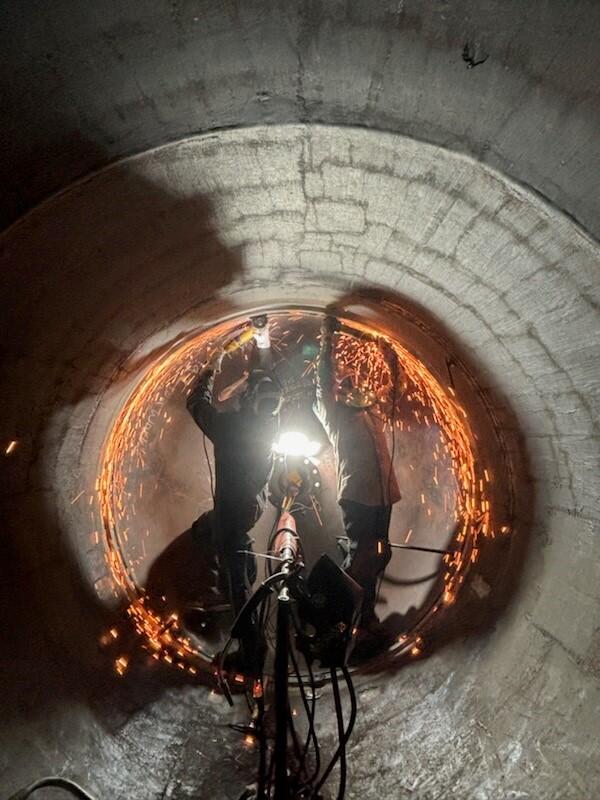
Before that first valve could be removed, crews welded a blind gate, or heavy steel plate, into place. That plate sealed the opening of the penstock (water delivery tube) and holds back water from the reservoir.
After the ring follower gate has been re-installed and irrigation needs lessen later this fall, workers will remove the blind flange and resume normal operations. Crews will then move on to the second ring follower gate, followed by the two butterfly valves.
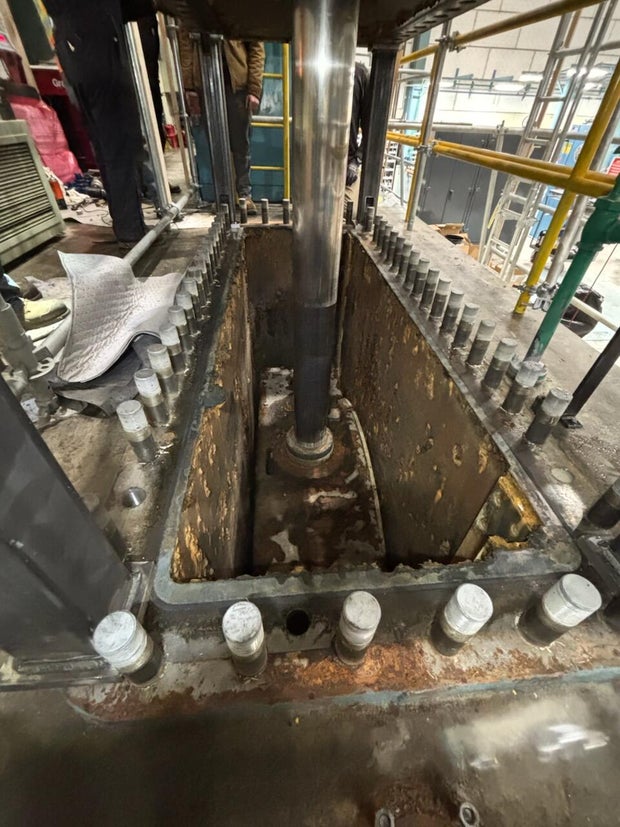
"This work is complex," said Blue Mesa Plant Supervisor Eric Langely in a U.S. Bureau of Land Management press release. "We must maintain minimum river flows downstream, avoid disruptions at Morrow Point and Crystal dams, and manage drought-related constraints—all while working inside a dam built nearly 60 years ago."
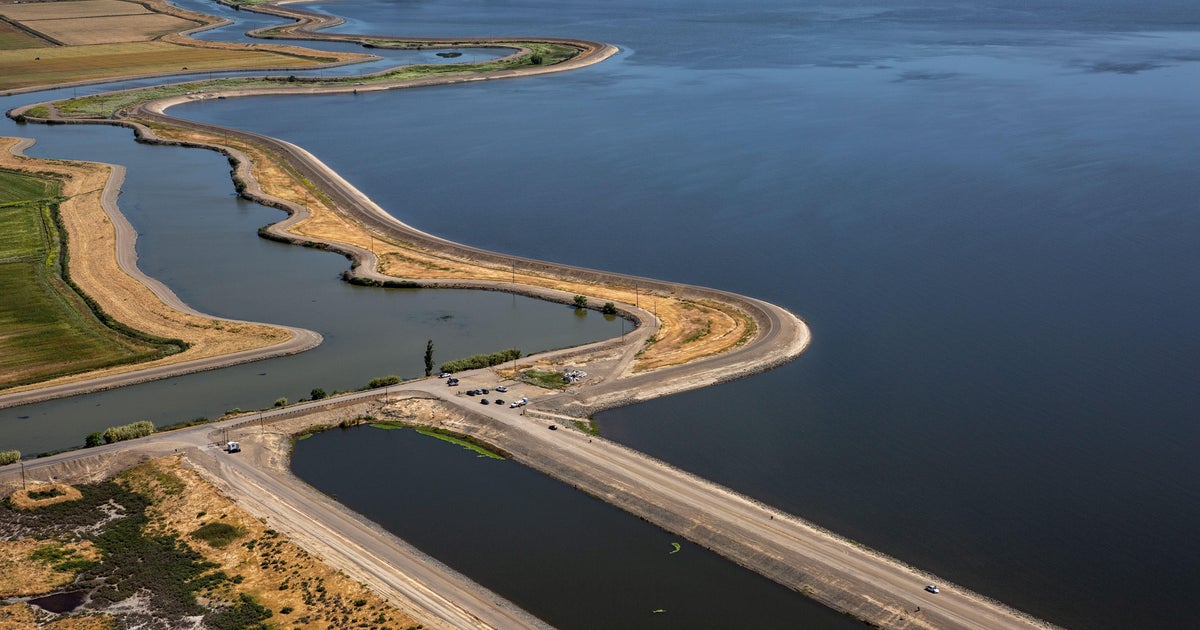
Blue Mesa Dam stands 390 feet tall. It, along with Morrow Point Dam and Crystal Dam, hold back the 14 square miles of Blue Mesa Reservoir, the largest reservoir (man-made) in Colorado and largest body of water overall. Morrow Point Dam is 468 feet high, but it is much narrower. It was built between the walls of the Black Canyon of the Gunnison and has a lower volume capacity than Blue Mesa Dam, an earth-fill dam that was constructed in a lower valley.
Grand Lake, incidentally, is the largest lake (natural body of water) in the state, as well as the deepest.
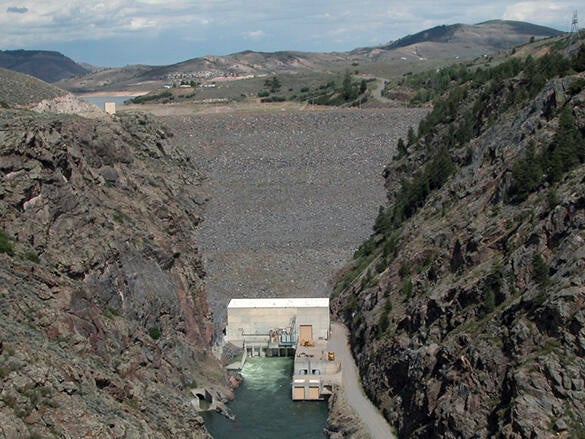
Blue Mesa Dam was last inspected in July 2023, according to the U.S. Army Corp of Engineers National Inventory of Dams. The dam is classified under a 'high' hazard potential, which is not a measure of its current condition but of an estimate of the potential destruction should the dam fail. The 'high' classification indicates a failure would likely result in human fatalities downstream. The results of the July 2023 inspection were not available online.
The three dams of Blue Mesa Reservoir make up the Aspinall Unit of the Gunnison River. The reservoir and its dams were built for water storage and power generation for the region, but also for flood control. Miners and then farms and ranchers began settling the Uncompahgre Valley in the late 1800s, but were frustrated by flooding that ravaged the valleys in the spring season and water supplies that dwindled to small streams during the summer, according to the U.S. Bureau of Reclamation.
A Colorado Highway 50 bridge over a section of Blue Mesa Reservoir was closed in April 2024 after cracks were found in supports. Traffic was detoured along a route that took drivers an additional six to eight hours to navigate, and the state issued a disaster declaration to acquire federal funding. The Colorado Department of Transportation re-opened the bridge to traffic after six months of repair.