Can June rain make up for Colorado's dry winter?

After a wet week across Colorado, many communities are finally seeing some relief from persistent dry conditions.
Showers and thunderstorms brought beneficial rainfall to the Front Range, urban corridor and Eastern Plains over the past several days, helping chip away at precipitation deficits that have built up throughout the water year.
Some communities received impressive rainfall totals. Byers recorded 2.15 inches of rain since Sunday, while several other locations picked up more than an inch during the same period.
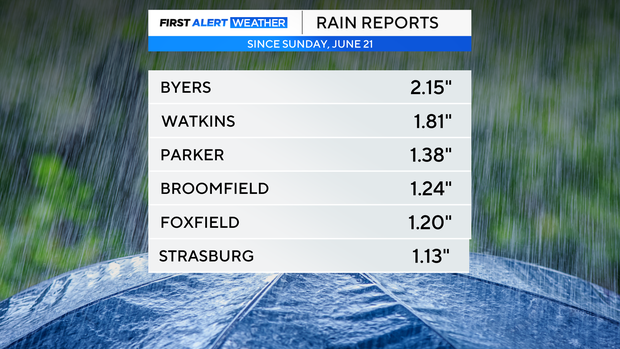
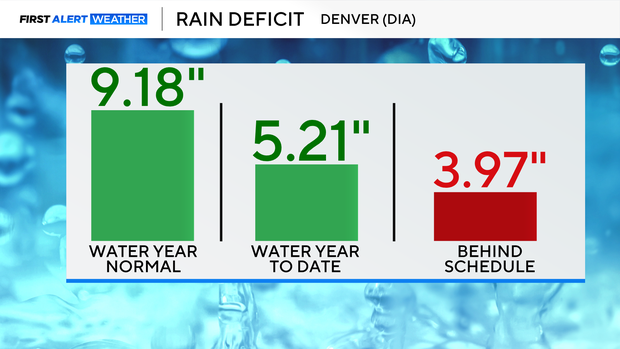
The recent moisture is helping improve year-to-date precipitation totals, but Colorado remains well below average overall. Denver has received just 5.21 inches of precipitation so far this water year, leaving the area 3.97 inches below normal.
While the recent rainfall has been welcome, it is important to understand the difference between rain and snow when it comes to Colorado's long-term water supply.
Mountain snowpack acts as the state's natural water storage system. Snow accumulates during the winter and melts gradually through the spring and early summer, feeding rivers, reservoirs and streams over several months.
Rain, however, often arrives quickly and can run off just as fast. Although rainfall helps soak the ground, improve soil moisture, green up vegetation and temporarily reduce wildfire danger, it does not provide the same long-term water benefits as mountain snowpack.
That's why several wet days in June cannot fully make up for a well below-average snow season.
Still, the recent storms have provided meaningful benefits across lower elevations. Increased soil moisture, healthier vegetation and reduced fire danger have all resulted from the recent rainfall, while drought conditions have also improved in some areas.
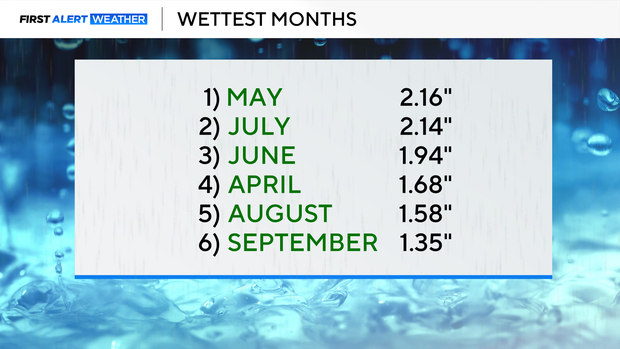
There may be additional opportunities for moisture in the weeks ahead. July is typically Colorado's second-wettest month, averaging about 2.14 inches of rainfall.
Long-range forecasts also suggest monsoon moisture could become more active than normal across the Rockies later this summer.
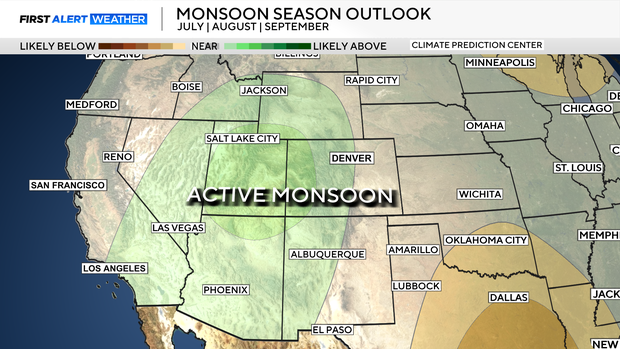
While Colorado's largest water reserve remains its mountain snowpack, an active monsoon season could provide additional drought relief as the state moves through the heart of summer.


