Find out why host city finalist Denver has "hugely attractive opportunities" for Democratic National Convention

Denver is one of three finalist cities being considered to host the 2028 Democratic National Convention, joining Boston and Philadelphia, as the Democratic National Committee narrows its search for a host city.
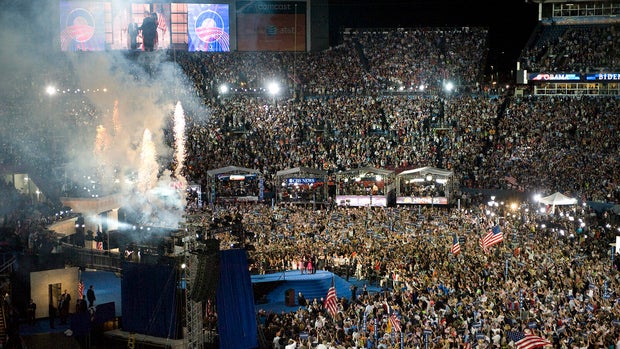
The announcement comes nearly 20 years after former President Barack Obama accepted the Democratic presidential nomination at Mile High stadium during the 2008 convention.
Colorado Democratic Party Chair Shad Murib said hosting the convention is about more than selecting a presidential nominee.
"A convention is more than a path to the White House," Murib said. "It's about charting a path forward for this country and setting the tone for the next four to eight years."
Democratic National Committee members visited Denver this summer as city and party leaders made their case for bringing the convention back to Colorado. Organizers highlighted Denver's transportation network, hotel capacity, and convention infrastructure.
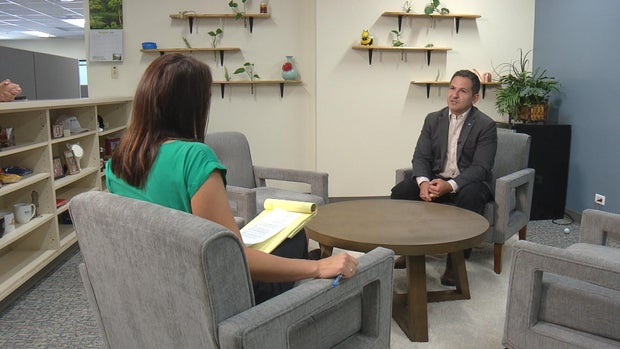
"We have one of the most connected airports in the country, a train that goes directly downtown, and 13,000 hotel rooms within walking distance of the arena," Murib said. "Those are hugely attractive opportunities for the Democratic National Committee."
According to CBS Colorado's Democratic political analyst Mike Dino, hosting a national convention could cost between $75 million and $90 million. Party leaders estimate the economic impact, however, could exceed $400 million, comparing the return to hosting multiple Super Bowls in a single week.
Denver Mayor Mike Johnston celebrated the city's selection as a finalist, calling Denver "a place defined by big dreams, bold ideas and pioneer spirit."
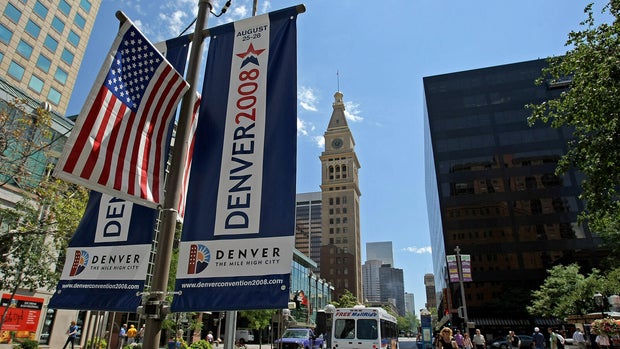
"We proved what this city could do when we hosted in 2008, and we've only gotten better since," Johnston said in a statement. "Hosting the convention again would be a tremendous opportunity for everyone who calls Denver home."
Murib said Denver being in the Mountain time zone is another advantage, allowing convention events to reach television audiences across the country during prime-viewing hours.
A final decision is expected later this year.


