Colorado's Drought: What it means and why it matters

Colorado is no stranger to dry weather, but drought is something that can quietly build over time and impact everything from farms to wildfire risk. In simple terms, a drought happens when an area doesn't get enough rain or snow over a long period of time. And in a state like Colorado, where water is already a limited resource, that can become a big deal.
Water in Colorado doesn't just stay here. Snow that falls in the mountains melts and flows into rivers that supply water to millions of people across the West. When we don't get enough snow in the winter or rain in the spring and summer, that water supply shrinks.
Drought can lead to:
- Lower water levels in rivers and reservoirs
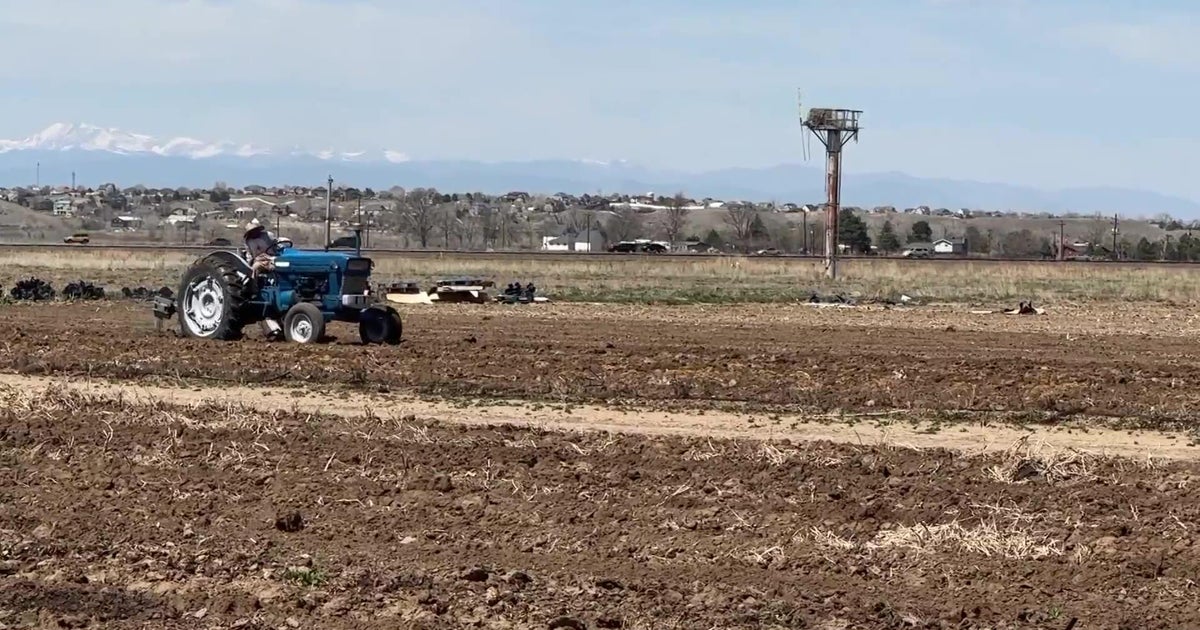
- Stress on crops and agriculture
- Increased wildfire danger
- Dry soil and struggling ecosystems
Not all droughts are the same. Scientists use a scale to measure how severe conditions are. Here's a simple breakdown:
Abnormally Dry (D0)
This is the first warning sign. It doesn't mean a full drought yet, but things are starting to dry out. Grass may turn brown, and soil moisture begins to drop.
Moderate Drought (D1)
At this stage, dryness becomes more noticeable. Some crops may struggle, and water levels in streams and reservoirs begin to fall.
Severe Drought (D2)
This is when impacts become more serious. Water shortages can develop, agriculture is hit harder, and water restrictions can be put in place.
Extreme Drought (D3)
Conditions are very dry. Major crop losses are possible, water restrictions may be put in place, and wildfire danger is high.
Exceptional Drought (D4)
This is the most severe level. Widespread water shortages occur in reservoirs, streams, and wells. The risk of large, destructive wildfires is very high.
Drought conditions can improve with consistent rain and snow, but it often takes time. A single storm usually isn't enough to erase a drought; it takes months of above-average moisture to fully recover.
As Colorado heads into the warmer months, keeping an eye on precipitation and snowpack will be key. Even small changes can make a big difference over time.
Staying aware of drought conditions helps communities prepare and reminds all of us just how valuable water is in the West.