Colorado Congressman Rep. Joe Neguse introduces sweeping wildfire response measure

Wildfires have burned more than 7 million acres in 2026, a new record. Colorado wildfires alone have burned more than 200,000 acres according to InciniWeb, and there are still a lot of hot, dry days left this year.
"Bottom line is this is not going away, and Coloradans know this because every year's wildfire season is worse than the year that preceded it," says U.S. Rep. Joe Neguse, who co-chairs the bipartisan Wildfire Caucus.
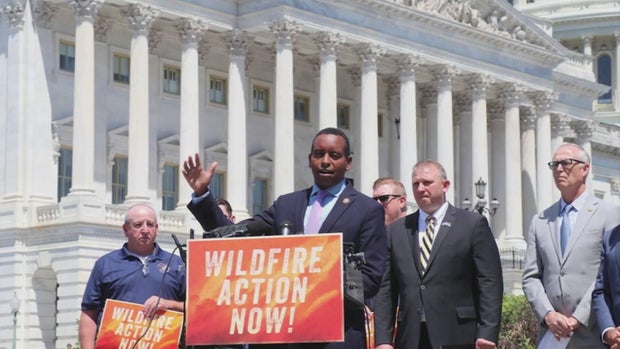
He says as the risk of wildfire increases, the nation's preparedness has decreased. Last year, the Trump administration cut the U.S. Forest Service by 20%. While firefighters were spared, incident management teams were not.
Neguse says the cuts have not only left federal fire crews stretched thin, but they've also resulted in nearly 40% less mitigation work.
"We've got to do more across the board both in terms of prevention, resilience, mitigation and fighting for these firefighters the same way they fight for us," he said.
Neguse says that is why he introduced the Wildfire Response and Readiness Act. The legislation is comprised of 25 bills, including Tim's Act, which is named after Tim Hart, a Wyoming smokejumper who died while battling a wildfire in 2021. This year in the fight against wildfires in Colorado, four firefighters from a Rifle Helitack crew and a firefighting helicopter pilot have tragically died.
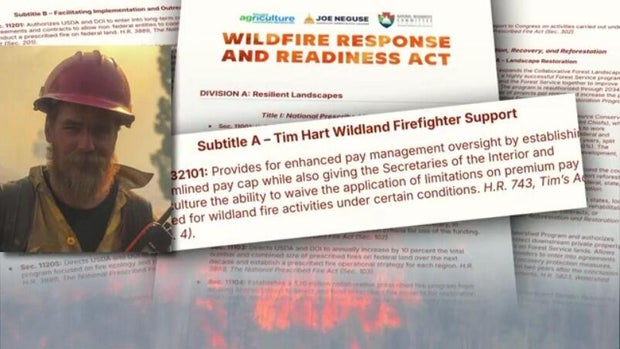
Among other things, the legislation includes paid rest and recuperation, mental health leave, better hazard and premium pay, housing stipends, recruitment and retention bonuses and annual raises. It also bars layoffs at federal land management agencies through 2030 without congressional approval.
"The reality is these wildland firefighters are still woefully underpaid, sleeping in the dirt, fighting these fires and in some cases losing their lives," said Neguse.
The federal agency that manages national fire resources, like hot shot crews, issued a memo earlier this month saying resources had reached a critically low level and warning firefighters to prioritize safety and not rush decisions or take shortcuts.
The Wildfire Response and Readiness Act would also allocate hundreds of millions of dollars a year for wildfire research, prescribed burns, conservation, restoration, watershed recovery, home hardening, early detection technology and a standardized smoke monitoring and alert system. Additionally, it requires a ten-year national wildfire plan and a map every five years showing at-risk communities.
Neguse says the bill is co-sponsored by ranking Democrats on all committees of reference.
"I think it meets the moment and we're going to do everything we can to get it across the finish line," he said.
The measure is not without controversy. It takes aim at two Trump administration proposals by requiring congressional approval before the administration closes any U.S. Forest Service research and development facilities and permanently protecting current roadless areas in national forests. There are no Republican lawmakers supporting the bill so far.
The Department of the Interior says, "This year, more than 30,000 wildland fire personnel have been assigned to wildfire response across the interagency system, comparable to the maximum number available across the system last year. The administration is strengthening the nation's wildfire response by focusing personnel and resources on the core mission of protecting lives, communities and natural and cultural resources, while improving coordination and operational capacity across the federal wildland fire system."


