Your guide to Colorado's state and local elections in November
Election Day is Tuesday and Colorado voters will be able to cast their votes on two propositions dealing with school lunch funding.
When is Election Day and how early can I vote?
Election Day is Tuesday, Nov. 4 this year. Polls are open from 7 a.m. to 7 p.m. but there are several ways to vote early if you'd prefer.
Ballots were mailed out to all registered voters last month. They come with an envelope that allows you to fill out your ballot at home and stick it in your mailbox, in a ballot dropbox, or drop it off at a polling place.
The deadline to submit ballots is 7 p.m. on Nov. 4. However, if you're in line to vote in person at 7 p.m., you can still vote. Stay in line as polling places are required by law to let you vote.
What's on the ballot?
All voters across the state will be able to vote on the following two ballot measures, both of which deal with school lunch funding.
Propositions LL and MM were referred to the ballot by state lawmakers to address rising costs associated with the Healthy School Meals for All program, which voters approved in 2022. The Colorado Department of Education estimated the entire program, which serves about 640,000 meals per day and over 100 million meals per year, would cost about $100 million per year, but the food alone cost the state $138 million last school year, and is expected to go up.
State budget analysts attribue the increased costs to higher participation in the program than was previously anticipated.
The 2022 proposition that voters approved to create the program raised taxes on households with an income of $300,000 or more, which accounts for about 6% of Colorado taxpayers, or about 200,000 households. Those taxpayers reported their taxes going up by an average of $884 per year.
Every eligible school district opted in to the program, and meal participation is up more than 30%, according to Hunger Free Colorado.
Proposition LL
One of the two propositions, LL, deals with how the state would spend $12.4 million in tax revenue raised by a previous proposition, along with the interest on that money. Voters will decide whether the state puts the money toward its Healthy School Meals for All Program or disburses it back to households with an income of $300,000 or more.
The exact ballot language is as follows:
Without raising taxes, may the state keep and spend all revenue generated by the 2022 voter approved state tax deduction limits on individuals with incomes of $300,000 or more and maintain these deduction limits in order to continue funding the healthy school meals for all program, which pays for public schools to offer free breakfast and lunch to all students in kindergarten through twelfth grade?
According to the state's quick ballot reference, a "yes" vote allows the state to keep and spend the money on the Healthy School Meals for All Program and would maintain the current taxes on households earning $300,000 or more annually. A "no" vote means the state would refund $12.4 million to households earning $300,000 or more annually and would allow deduction limits to change as scheduled under current law, which would lower taxes paid by these households.
Approving the proposition wouldn't fully fund the program, however. That's where the second statewide proposition comes in.
Proposition MM
The second statewide proposition on the ballot is MM, which also deals with funding for the Healthy School Meals for All program. The proposition would further raise taxes on households with an income of $300,000 or more to fully fund the program. Taxes would remain unchanged on households reporting $299,999 or less in combined income.
The ballot language is as follows:
SHALL STATE TAXES BE INCREASED BY $95 MILLION ANNUALLY BY A CHANGE TO THE COLORADO REVISED STATUTES TO SUPPORT ACCESS TO HEALTHY FOOD FOR COLORADO KIDS AND FAMILIES, INCLUDING THE HEALTHY SCHOOL MEALS FOR ALL PROGRAM, AND, IN CONNECTION THEREWITH, INCREASING STATE TAXABLE INCOME ONLY FOR INDIVIDUALS WHO HAVE A FEDERAL TAXABLE INCOME OF $300,000 OR MORE BY LIMITING ITEMIZED OR STANDARD STATE INCOME TAX DEDUCTIONS TO $1,000 FOR SINGLE TAX RETURN FILERS AND $2,000 FOR JOINT TAX RETURN FILERS FOR THE PURPOSES OF FULLY FUNDING THE HEALTHY SCHOOL MEALS FOR ALL PROGRAM TO CONTINUE PAYING FOR PUBLIC SCHOOLS TO OFFER FREE BREAKFAST AND LUNCH TO ALL PUBLIC SCHOOL STUDENTS WHILE ALSO INCREASING WAGES FOR EMPLOYEES WHO PREPARE AND SERVE SCHOOL MEALS, HELPING SCHOOLS USE BASIC, NUTRITIOUS INGREDIENTS, INSTEAD OF PROCESSED PRODUCTS, AND ENSURING THAT COLORADO GROWN AND RAISED PRODUCTS ARE PART OF SCHOOL MEALS; SUPPORTING THE SUPPLEMENTAL NUTRITION ASSISTANCE PROGRAM (SNAP) THAT HELPS LOW-INCOME COLORADO FAMILIES AFFORD GROCERIES; AND ALLOWING THE STATE TO RETAIN AND SPEND AS A VOTER-APPROVED REVENUE CHANGE ALL ADDITIONAL TAX REVENUE GENERATED BY THESE TAX DEDUCTION CHANGES?
The state's ballot reference says a "yes" vote would increase state income taxes for those households reporting $300,000 or more annually. The increased revenue will be used to pay for the school meals program, including paying employees, and help fund SNAP.
Local elections to watch
The following isn't a comprehensive list of all local elections in November. For that, you should look up a sample ballot for where you live on the Colorado Secretary of State's website.
CBS News Colorado is, however, watching some high-profile elections and ballot measures that impact our larger communities or might have larger implications.
Denver
Denver voters can cast votes on several school board candidates and measures dealing with city debt, future city council elections, banning flavored tobacco vapes, and the nearly $1 billion Vibrant Denver bond proposal that would allocate money to over 90 projects throughout the city.
Vape ban
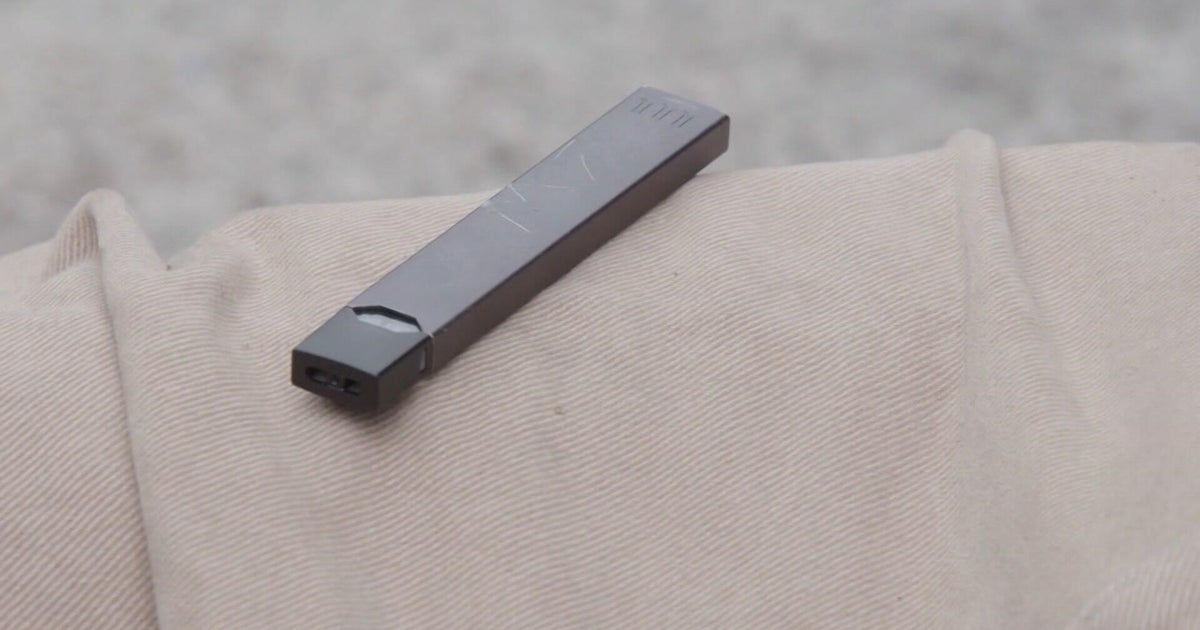
Referendum 310 at the bottom of Denver voters' ballots deals with a ban on selling flavored nicotine vapes in city limits. Denver's City Council last year voted 11-1 to send the issue to this year's ballots to let the voters decide. City Council passed a ban in 2021 but that was vetoed by former Mayor Michael Hancock. The last city council ordinance requires a referendum, meaning the outcome of November's election will determine whether or not flavored vapes can be sold in the city.
The referendum's language is as follows:
Shall the voters of the City and County of Denver retain ordinance number 24-1765, entitled "A bill for an ordinance amending Chapters 24 and 34 of the Denver Revised Municipal Code regarding the sale of tobacco products including flavored tobacco products," which prohibits the sale of flavored tobacco products by retail tobacco stores?
A "yes" vote would ban vape sales in Denver while a "no" vote would allow them to continue being sold in gas stations and dedicated vape shops.
Supporters of the ban say it would make it harder for Denver children -- 7% of whom have admitted to vaping, according to those supporters -- to purchase or use those vapes.
Critics of the ban, including economic analysts, vape shop owners, and Hancock in 2021, say the loss of business and tax revenue from legitimate sales would harm Denver business owners, taxpayers, and the city and county. Some also argue teens might simply go to a neighboring city to buy the vapes.
Vibrant Denver bond
This massive, $950 million bond would help fund over 90 projects that span the city and include the revitalization of several neighborhoods and parks, improving mobility assistance and accessibility throughout the city, improvements at Red Rocks Park and Amphitheatre, the construction of a first responder and public safety training center, and more.
The bond package is broken up into five separate ballot questions -- 2A, 2B, 2C, 2D, and 2E.
The ballot language on each question says that taxes wouldn't be increased. If voters approve all five questions, the city would take out $1 billion in long-term debt, which would then get paid back through property taxes over several decades, Denverite reported.
The ballot questions break down as follows, according to the ballot language:
2A: Increase of $441.4 million in debt for repairs and improvents to the city's transportation and mobility infrastructure and facilities, including, but no tlimited to:
- Santa Fe Arts District streetscape and multimodal safety improvements;
- West 38th Avenue multimodal project safety improvements for cyclists and pedestrians;
- Evans Avenue improvements and safety improvements for cyclists and pedestrians;
- West 38th Avenue and Blake Street underpass, safety improvements for cyclists and pedestrians;
- 49th Avenue and Marion Street underpass safety improvements for cyclists and pedestrians;
- Repair and reconstruction of critical out-of-date city bridges, underpasses, and viaducts to improve safety and capacity;
- Improvements to streets to enhance traffic flow and create multi-modal access; and
- Replacements of and improvements to traffic signals, pedestrian crossings, streets, intersections, and other mobility improvements.
2B: Increase of $174.75 million in debt for repairs and improvements to city parks and recreational infrastructure and facilities, including but not limited to:
- Creation of a Southeast Recreation Center and Skate Park and a new Emporia neighborhood park, and development and preservation of the Park Hill Open Space into one of Denver's largest parks;
- Equipment upgrades and improvements to city parks, playgrounds, and other open spaces, including Garland, Harvey, Hirshorn, Lindsley, Platt, and Sun Valley riverfront parks and playgrounds, La Plazito de Montbello, the Southwest Auto Park tennis court, and a bike pump track in southwest Denver;
- Environmental health improvements to Sloans Lake; and
- Improvements and upgrades to recreational facilities and pools, including Echo Lake Lodge, Montbello Recreation Center and Aztlan, Cook Park, Eisenhower, Southwest Outdoor, and Washington Park indoor pools;
2C: Increase of $30.1 million in debt for repairs and improvements to health and human services infrastructure and facilities, including but not limited to:
- Building a new Denver Health Westside Family Health Center to provide affordable medical services and increase availability of care; and
- Building an expansion to the Denver Children's Advocacy Center to provide victim assistance, treatment, and trauma and mental health care;
2D: Increase of $244.43 million in debt for repairs and improvements to city infrastructure and facilities, including but not limited to:
- Critical infrastructure, improvements, and repairs to various art, cultural, library, and other city facilities, including American Indian Cultural Embassy, Arie P. Taylor Senior Center, Bear Valley, Blair Caldwell African American Research Library and Museum, Decker, Green Valley Ranch IdeaLAB, and Montbello branch libraries, Boettcher Concert Hall, Denver Art Museum, Denver Botanic Gardens, Denver Center for the Performing Arts, Denver Museum of Nature and Science, Denver Zoo, Loretto Heights Theater (parking), Red Rocks amphitheater, and the 303 Artway Heritage Trail;
- Building a new first responder and public safety training center to increase safety and improve emergency and fire response;
- Renovation of and improvements to the Denver Animal Shelter to increase rescue services and care; and
- Building city facilities such as a library to be co-located with affordable housing options;
2E: Increase of $59.3 million in debt for repairs and improvements to housing and shelter infrastructure and facilities, including but not limited to:
- Building housing that will reduce rents and support affordability;
- Providing affordable housing to be co-located with city facilities such as a library; and
- Improving housing and shelters to make them safer and more accessible to people living with disabilities;
Aurora
Aurora voters' ballots will look different, depending on where in the city they live, but several city council seats are up for grabs, including several incumbents.
In total, 13 candidates are vying for five council seats. Those include Ward I in the northwest part of the city, Ward II -- the largest, geographically -- covering the northeast part of the city, and Ward III, which is just south of Ward I. It also includes two "at large" council seats, which represent the entire city.
Those in the Cherry Creek School District will also be able to vote on candidates for two openings on the school board.
Downtown Development Authority
City leaders in Aurora have expressed an interest in creating a Downtown Development Authority, similar to those in other cities like Denver, which is a separate organization, outside the direct control of the mayor and city council.
In August, Aurora's City Council voted to send the issue to the November ballot.
People who live or own property or represent businesses that are mostly between East 14th and 16th avenues and North Yosemite and Oswego streets will receive or already have received a separate ballot in the mail. They'll be asked to vote on whether or not they want a DDA and on future tax revenue collection to help fund the DDA.
Boulder County
Several communities in Boulder County will have local elections, including for Boulder City Council, Lafayette City Council, Longmont mayor and City Council, and Louisville City Council, although two of Louisville's three city council races have candidates running unopposed. You can view a full Boulder County sample ballot here or punch in your address for a sample ballot here.
There are also various school board elections for the Boulder Valley School District, Thompson School District, and St. Vrain Valley School District, and school district ballot issues for the Thompson School District and various fire protection districts.
But in addition to the two statewide propositions, all Boulder County voters will be able to vote on two ballot issues; one that deals with open space sales tax revenue, and the other dealing with a mental health sales and use tax.
Boulder County Ballot Issue 1A
Ballot Issue 1A deals with extending an open space sales tax to help the county purchase, maintain, and improve county-owned open spaces.
The full ballot issue language is as follows:
WITH NO INCREASE IN ANY COUNTY TAX, SHALL THE COUNTY'S EXISTING 0.15% OPEN SPACE SALES AND USE TAX BE EXTENDED IN PERPETUITY FOR THE PURPOSES OF ACQUIRING, IMPROVING, MANAGING, AND MAINTAINING OPEN SPACE LANDS AND OTHER OPEN SPACE PROPERTY INTERESTS, INCLUDING AGRICULTURAL OPEN SPACE; AND SHALL THE REVENUES AND THE EARNINGS ON THE INVESTMENT OF THE PROCEEDS OF SUCH TAX CONSTITUTE A VOTER-APPROVED REVENUE CHANGE; ALL IN ACCORDANCE WITH BOARD OF COUNTY COMMISSIONERS' RESOLUTION NO. 2025-036?
Boulder County Ballot Issue 1B
Ballot Issue 1B asks voters to approve a sales tax increase for expanded mental health services for county residents. The increase would amount to $15 million per year through a 0.15% sales and use tax increase for three years.
The full ballot issue language is as follows:
SHALL BOULDER COUNTY TAXES BE INCREASED $15 MILLION ANNUALLY (FIRST FULL FISCAL YEAR DOLLAR INCREASE IN 2026) BY IMPOSING AN ADDITIONAL SALES AND USE TAX FOR THREE YEARS OF 0.15% FOR THE PURPOSE OF ADDRESSING UNMET NEEDS OF YOUTH, ADULTS, FAMILIES, UNHOUSED INDIVIDUALS, AND OLDER ADULTS IN BOULDER COUNTY WITH OR AT RISK OF MENTAL HEALTH AND SUBSTANCE USE DISORDERS BY PROVIDING MENTAL HEALTH CRISIS SERVICES; SUICIDE PREVENTION AND INTERVENTION; MENTAL HEALTH AND SUBSTANCE USE PREVENTION, TREATMENT, AND RECOVERY; TREATMENT SERVICES FOR UNHOUSED INDIVIDUALS; AND ASSISTANCE FINDING APPROPRIATE SERVICES THROUGH COMMUNITY-BASED ORGANIZATIONS, GOVERNMENTAL ENTITIES, AND OTHER OPTIONS; AND SHALL THE REVENUES AND THE EARNINGS ON THE INVESTMENT OF THE PROCEEDS OF SUCH TAX, REGARDLESS OF AMOUNT, CONSTITUTE A VOTER-APPROVED REVENUE CHANGE; ALL IN ACCORDANCE WITH BOARD OF COUNTY COMMISSIONERS' RESOLUTION NO. 2025-038?
Adams County
Most cities and school districts in Adams County will have local elections on Nov. 4 and you can find a countywide sample ballot here.
The South Adams County Fire Protection District is asking voters in its jurisdiction, which includes Commerce City and unincorporated areas of the county, to approve a $12.5 million sales tax increase through a rate increase of no more than 0.5% on all non-tax-exempt goods.
The district's population went from about 25,000 in the year 2000 to over 62,000, as of the 2020 census. The department says call volume has increased 9% each year since 2014, demonstrating a need for more funding.
If approved, the sales tax would help improve patient care; reduce the costs of ambulance rides; hire, train, and keep personnel, including first responders and support staff; update and upgrade lifesaving equipment; and buy more fire engines, ambulances, and other emergency vehicles.
The full ballot language for Ballot Issue 6A is as follows:
SHALL SOUTH ADAMS COUNTY FIRE PROTECTION DISTRICT NO. 4 TAXES BE INCREASED BY $12,500,000 (TWELVE MILLION FIVE HUNDRED THOUSAND DOLLARS), THE FIRST FULL FISCAL YEAR 2026 AND BY WHATEVER AMOUNTS RAISED ANNUALLY HEREAFTER FROM A SALES TAX TO COMMENCE ON JANUARY 1, 2026, AT A RATE NOT TO EXCEED 0.5% (ONE-HALF OF ONE PERCENT) EXCLUDING ON SALES OF FOOD FOR DOMESTIC HOME CONSUMPTION, PRESCRIPTION MEDICINES, DIAPERS, SCHOOL ACTIVITIES AND ALL OTHER CATEGORIES EXEMPT FROM STATE SALES TAX COLLECTIONS FOR THE PURPOSES OF ENHANCING EMERGENCY RESPONSE COVERAGE, PROTECTING RESPONSE TIMES, AND PROVIDING AND MAINTAINING EMERGENCY SERVICES INCLUDING BUT NOT LIMITED TO:
- IMPROVING PATIENT CARE AND REDUCING THE PATIENT COST FOR MEDICAL EMERGENCIES AND AMBULANCE TRANSPORT TO HOSPITALS;
- ATTRACTING, TRAINING, AND RETAINING FIREFIGHTERS, PARAMEDICS, EMTS, AND OTHER EMERGENCY SERVICES SUPPORT PERSONNEL;
- PROTECTING THE HEALTH AND SAFETY OF FIREFIGHTERS AND PARAMEDICS BY REPLACING AND UPDATING ESSENTIAL EQUIPMENT, INCLUDING AIR PACKS, PROTECTIVE CLOTHING, AND EMERGENCY COMMUNICATIONS EQUIPMENT; AND REPLACING AND PROVIDING VITAL MEDICAL AND RESCUE EQUIPMENT SUCH AS HEART MONITORS AND DIAGNOSTIC DEVICES; AND,
- PROVIDING ADEQUATE NUMBERS OF FIRE ENGINES, AMBULANCES, AND OTHER EMERGENCY SERVICES VEHICLES TO MAINTAIN RAPID RESPONSE TIMES THROUGHOUT THE DISTRICT.
WITH ALL SPENDING OF SUCH REVENUES REPORTED IN THE DISTRICT'S ANNUAL INDEPENDENT AUDIT PUBLISHED ON THE DISTRICT'S WEBSITE AND REVIEWED BY A CITIZEN BOARD OF DIRECTORS;
PROVIDED, THAT SUCH SALES TAX TO BE IN ADDITION TO ALL OTHER TAXES LEVIED BY THE DISTRICT AND THE PROCEEDS OF SUCH SALES TAX AND INVESTMENT INCOME THEREON, REGARDLESS OF AMOUNT, TO BE COLLECTED AND SPENT BY THE DISTRICT AS A VOTER APPROVED REVENUE CHANGE UNDER ARTICLE X, SECTION 20 OF THE COLORADO CONSTITUTION, AND AS AN EXCEPTION TO THE LIMITATIONS SET FORTH IN SECTION 29-1-301 AND SECTION 29-1-1702 OF THE COLORADO REVISED STATUTES, AND ANY OTHER LAW?
Douglas County
The cities of Aurora, Castle Pines, Littleton, and the Town of Parker will have local elections on Nov. 4, as will the Thunderbird Water and Sanitation District and Promenade at Castle Rock Metropolitan District. A countywide sample ballot can be viewed here.
The Douglas County School Board also has four seats up for grabs. They include District B, in the southwest part of the county; District D, in the southeast; District E, in the central northern portion of the county; and District G, in the northeast.
The following candidates are running for each of those seats:
School Board Director - District B
Four-Year Term (Vote for One)
- Kyrzia Parker
- Matthew Smith
School Board Director - District D
Four-Year Term (Vote for One)
- Keaton Gambill
- Tony Ryan
School Board Director - District E
Four-Year Term (Vote for One)
- Deborah Kramer
- Clark Callahan
School Board Director - District G
Four-Year Term (Vote for One)
- Kelly Denzler
- Stephen Vail
South Metro Fire Rescue Fire Protection District
South Metro Fire Rescue, one of the largest fire rescue agencies in the state, responsible for about 600,000 residents across a huge swath of Arapahoe and Douglas County, as well as southern Jefferson County, is asking for a $50 million tax increase to help with an anticipated budget shortfall of $50 million a year for the next decade.
The department says its call volume has increased 24% in the last five years.
To address that shortfall, they're now asking voters to approve a property tax increase from 9.25 to 12.25 mills. A mill is $1 for every $1,000 of assessed property value.
South Metro says its property tax rate has not changed in more than 20 years, but now it needs to increase that revenue to account for this shortfall.
The ballot language that will go out to South Metro Fire Protection District voters reads:
SHALL SOUTH METRO FIRE RESCUE FIRE PROTECTION DISTRICT TAXES BE INCREASED $50,000,000 ANNUALLY BEGINNING JANUARY 1, 2026 OR BY SUCH AMOUNTS AS ARE RAISED BY INCREASING THE DISTRICT'S TOTAL MILLS BY 3 MILLS, FOR A TOTAL PROPERTY TAX RATE OF 12.25 MILLS, (RESULTING IN AN EXPECTED 2026 ANNUAL TAX INCREASE OF $18.75 FOR EACH $100,000 OF RESIDENTIAL VALUE), FOR THE PURPOSES OF PROVIDING FIRE PROTECTION, AMBULANCE, EMERGENCY MEDICAL RESPONSE, RESCUE, SAFETY, AND SUPPORT SERVICES FOR THE RESIDENTS, PROPERTY OWNERS, AND BUSINESSES SERVED BY THE DISTRICT, INCLUDING:
- RESPONDING SAFELY AND EFFECTIVELY TO ALL EMERGENCIES BY MAINTAINING FIREFIGHTER AND PARAMEDIC STAFFING LEVELS,
- BEING PROACTIVE IN MAINTAINING EXISTING STATIONS AND FACILITIES AND EXPANDING, REMODELING, AND/OR REBUILDING OUTDATED OR INADEQUATE INFRASTRUCTURE,
- RETAINING AND ATTRACTING HIGHLY QUALIFIED FIRST RESPONDERS AND OTHER ESSENTIAL PERSONNEL, AND
- IMPROVING FIREFIGHTER HEALTH AND WELLNESS WITH PROGRAMS SUCH AS EARLY DETECTION AND TREATMENT FOR CARDIOVASCULAR CONDITIONS AND CANCER, MENTAL HEALTH SUPPORT, AND MANDATORY FITNESS TRAINING AND STANDARDS;
AND SHALL ALL DISTRICT REVENUES BE COLLECTED, RETAINED, AND SPENT NOTWITHSTANDING ANY REVENUE LIMITS PROVIDED BY LAW, WITH ALL SPENDING OF SUCH REVENUES REPORTED IN THE DISTRICT'S ANNUAL INDEPENDENT AUDIT PUBLISHED ON THE DISTRICT WEBSITE AND REVIEWED BY AN EXTERNAL AUDITOR AS WELL AS THE AUDIT AND FINANCE COMMITTEE?
Fort Collins
In addition to voting for mayor and several city council seats, Fort Collins voters will decide on two major issues, one of which deals with city infrastructure and parks, and the other with the development of the former Hughes Stadium Site, which residents overwhelmingly voted against in 2021.
Decisions on the Hughes sites are broken up into the following two ballot questions:
Ballot Question 2H:
City-Referred Ordinance No. 1
Ordinance No. 141, 2025, Expressing Support for the Recommendations of the Civic Assembly and Adopting a Conceptual Framework for the Use and Management of the Hughes Stadium Site (the "Council-Adopted Ordinance"), was adopted by the City Council on September 2, 2025, and provides for the following City actions:
Shall the Council-Adopted Ordinance for multi-use of the Hughes Site be approved?
- requiring multi-use development and management for the approximately 165-acre Hughes Site;
- requiring the City to consult with Native American tribes and the Indigenous community throughout the process;
- requiring site plans to feature native and xeric vegetation and a naturalistic architectural palette, and include the following new amenities for the Hughes Site:
—a City natural area, up to 60 acres;
—dedicated space and facilities for environmental education and wildlife conservation, to include wildlife rescue and rehabilitation, up to 30 acres;
—a trail system throughout the site connected to nearby City natural areas and parks;
— a City park with a community bike park up to 35 acres, a community gathering area and appropriate related facilities;
- may include existing uses, such as disc golf and winter sledding; and
- requiring the City to manage these uses over time as planning, design and funding allow, in accordance with regular City planning and review processes, and consistent with the Public Open Lands zoning.
Shall the Council-Adopted Ordinance for multi-use of the Hughes Site be approved?
Ballot Question 303
Citizen-Initiated Proposed Ordinance No. 1
An ordinance modifying the citizen-initiated ordinance approved by the registered electors in April 2021, which required the City of Fort Collins to rezone, acquire, and use for specified purposes the approximately 165-acre parcel of real property formerly home to the Hughes Stadium, so as to require that the property be designated and used 100% as a City natural area.
Mountain communities' lodging tax
At least seven counties in Colorado's high country are asking voters to double or triple their lodging taxes, the Colorado Sun reported. It comes after Gov. Jared Polis signed a bill into law that gives counties the ability to raise those taxes from 2% to 6% and use the revenue gained from tourism for more purposes than the law previously allowed.
The tax is typically only applied to rentals of 30 days or less and is paid for by people paying for those rentals. Here's a map of the counties asking for those increases, with a breakdown underneath.
- Chaffee County officials want to raise taxes $3.5 million annually by raising the lodging tax 4% to a total of 5.9%, which the county says will be used for tourism marketing, affordable local workforce housing and childcare, infrastructure maintenance and improvements, police, fire protection, and emergency medical services.
- Custer County commissioners want voters to triple their lodging tax from 2% to 6%, which they say will help build affordable workforce housing, and expect it will raise about $170,000 per year, the Colorado Sun reported.
- Eagle County voters are being asked to approve a 2% increase, bringing its lodging tax to 4% for rentals in unincorporated Eagle County as well as in the town of Gypsum. Other towns in the county, like Vail, for example, already have their own voter-approved lodging tax, and wouldn't be impacted by this one.
- Gilpin County commissioners also want to raise the lodging tax from 2% to 6% for workforce housing, childcare, and public infrastructure, such as roads and water systems, dust control programs, and road maintenance throughout the county. They expect the increase will help raise $340,000 per year.
- Ouray County doesn't currently have a lodging tax, but is asking voters to approve the creation of one at 6%. If approved, the revenue would help fund environmental health initiatives; local law enforcement, fire protection services, and emergency medical services; and housing and childcare for the local workforce.
- Park County is asking its residents to approve raising the county lodging tax from 2% to 6%, which county officials think will help raise $5.4 million per year. They want to use that money to help fund public safety agencies and public infrastructure projects.
- Routt County's tax increase, if approved, wouldn't apply to the towns of Steamboat Springs or Hayden, since they have their own lodging tax, but they're asking voters to approve increasing the county tax from 2% to 6% to help fund public infrastructure projects and public safety agencies.