The world is failing to save species and ecosystems, UN warns
Without addressing biodiversity and climate change, the report said, the world will not fully be able to tackle poverty, reduce hunger, or reduce the risk of future pandemics.
Watch CBS News
Without addressing biodiversity and climate change, the report said, the world will not fully be able to tackle poverty, reduce hunger, or reduce the risk of future pandemics.

The magazine editors believe Biden "can set the country back on course for a safer, more prosperous and more equitable future."

The smoke was creating a hazy sky and obscuring the sun.
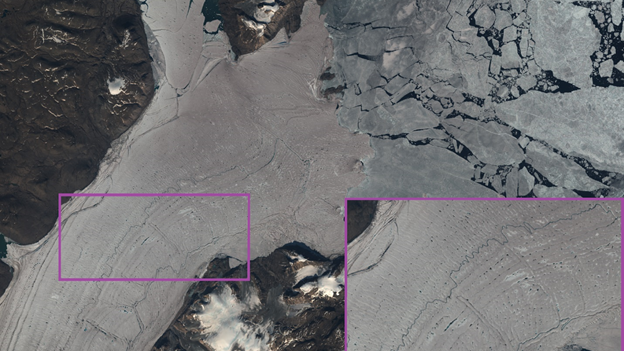
"The atmosphere in this region has warmed by approximately 3°C since 1980 and record-breaking temperatures have been observed in 2019 and 2020," says researcher Dr. Jenny Turton.

There are deadly blazes burning in California, Washington and Oregon, and at least 35 people have died as a result of the fires.

A California official disagreed with the president about the root cause of the wildfires.
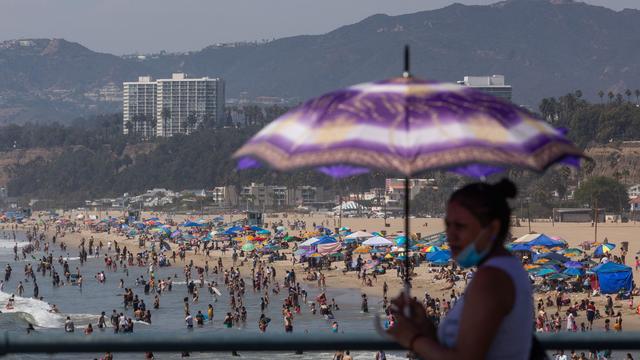
The National Oceanic and Atmospheric Administration also said 2020 is likely to be one of the five warmest years on record.

More than 500,000 Oregonians are under an evacuation order and 40,000 have been forced to leave their homes.
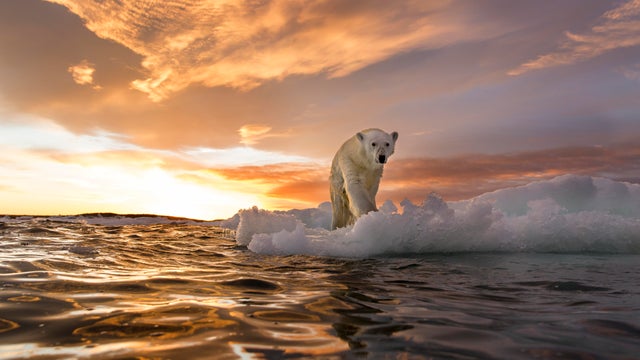
World Wildlife Fund says species in Latin America and the Caribbean were disproportionately affected, declining 94% on average — and humans are to blame.
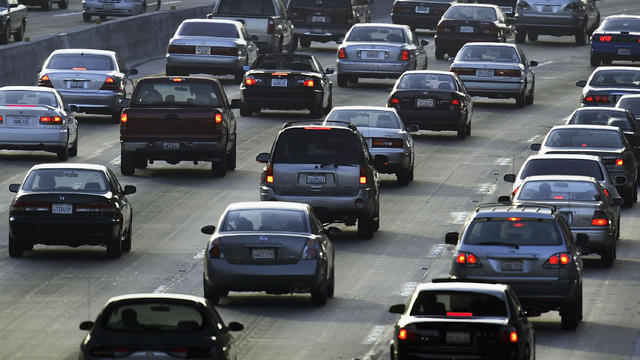
Pandemic caused an unprecedented drop in the emission of greenhouse gases — but it didn't last long.
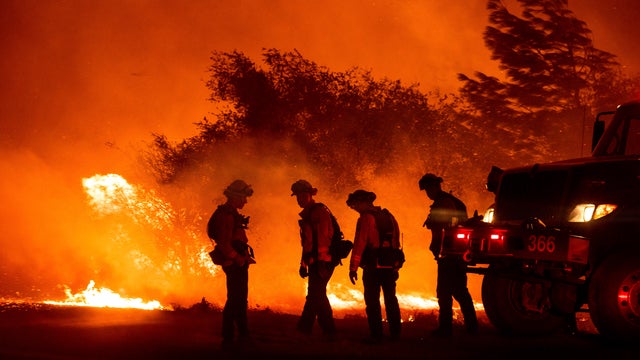
California has seen over 2,650 more fires compared to this time last year — and September and October usually are the worst months for fires.
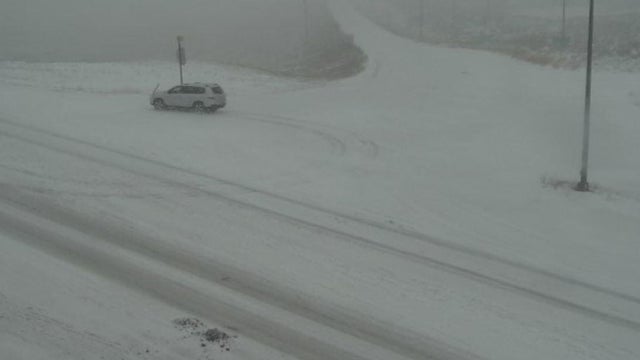
Winter showed up abruptly and unusually early in Colorado after a weekend of record-shattering high temperatures.
Woodland Hills hit a record temperature of 121 degrees on Sunday, according to the National Weather Service.
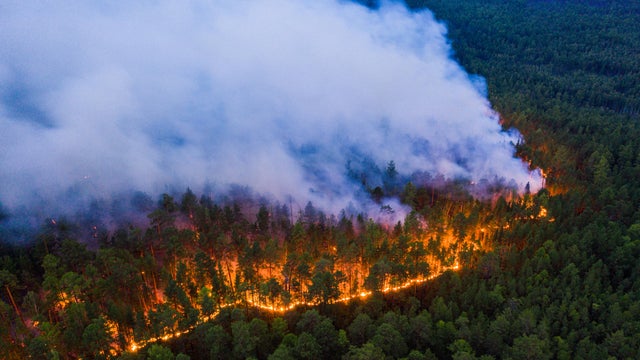
Scientists said the smoke plumes were so large, they covered the equivalent of more than one-third of Canada.
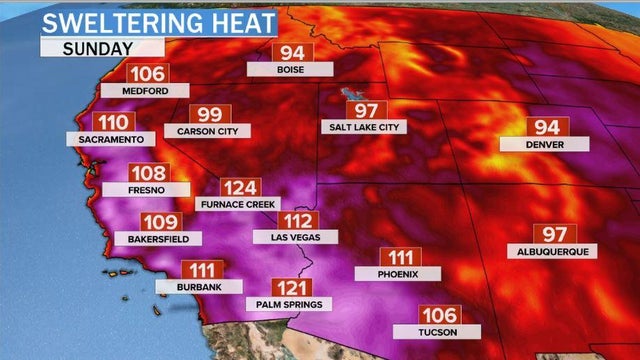
In some areas the heat will be even more intense than the historic heat wave just a couple of weeks ago.

Multiple extremes resemble the chaotic climate future scientists have been warning us about for decades — only it's happening right now.
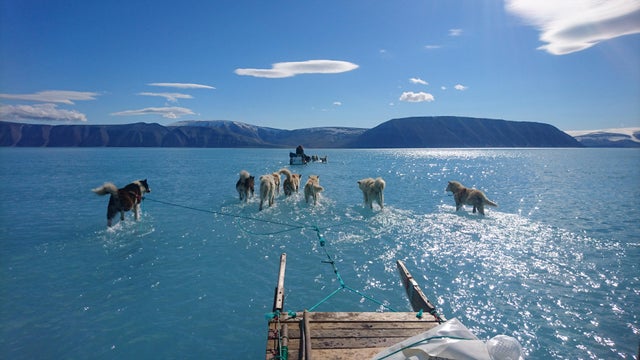
The ice loss in 2019 was more than twice the annual average since 2003 — shattering the previous record.
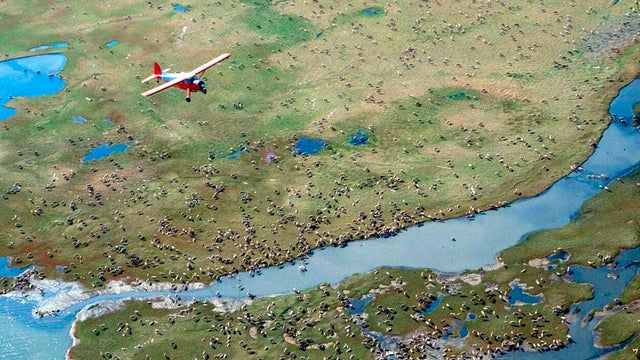
Alaska's Arctic National Wildlife Refuge is the home to polar bears, caribou and other wildlife.
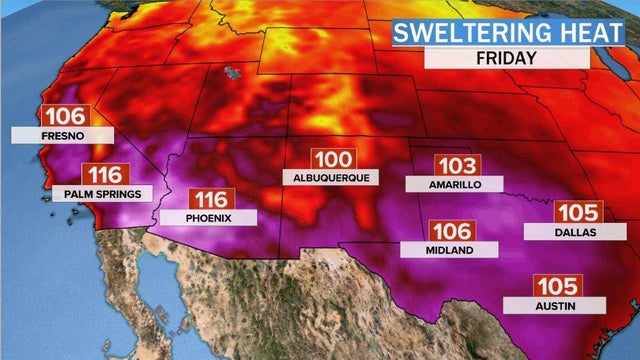
More than 50 million people will swelter in highs over 100 degrees through next week.
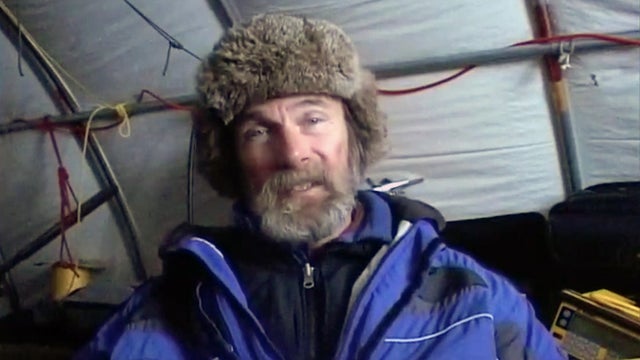
Konrad "Koni" Steffen apparently fell to his death in a crevasse on the ice sheet he dedicated his life to studying.
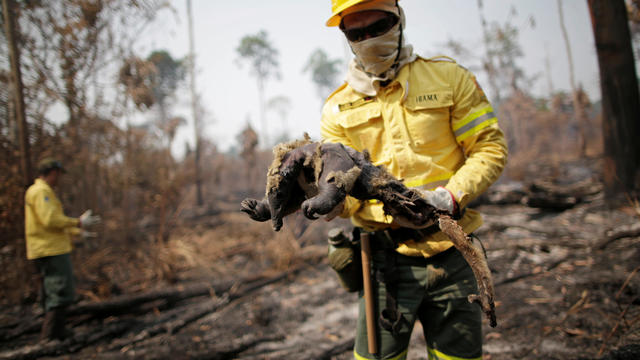
Fires in the Amazon rainforest are surging as Brazil's president claims they don't exist.
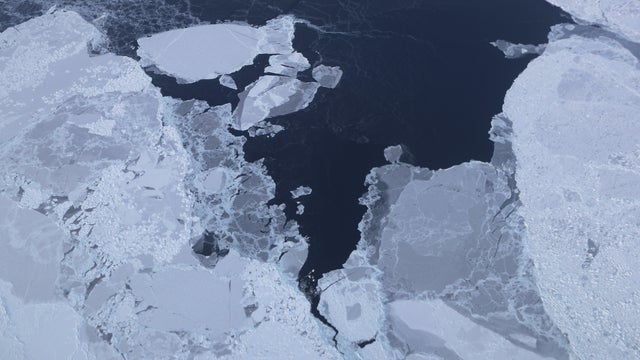
It's one of the most aggressive timelines and, if correct, is one of the more direct signs that humans are warming the Earth's climate at an even more dramatic pace than expected.
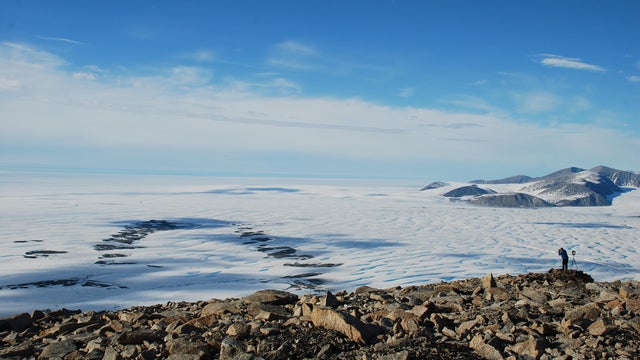
A 4,000-year-old chunk of ice larger than the size of Manhattan has collapsed into the Arctic Ocean.
Although heat waves rarely get the attention that hurricanes do, they kill far more people per year in the U.S.
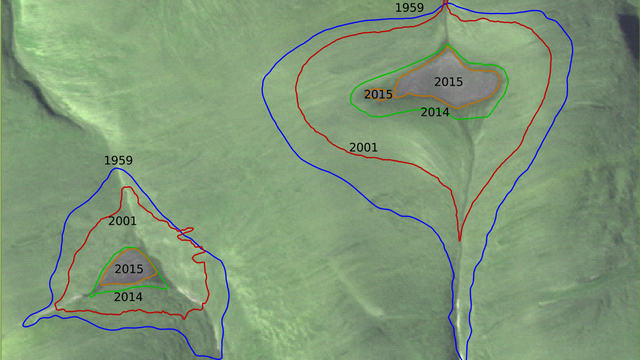
Scientists predicted that the ice caps wouldn't completely melt until 2022.