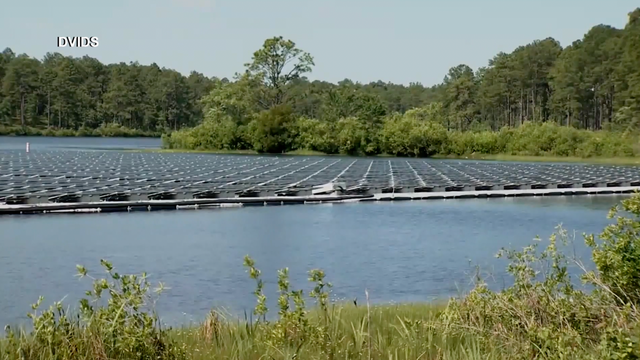
Army steps up efforts to go green as risks from climate change rise
"21st century warfare needs 21st century energy and resilience," said Col. Michael Sapp, the garrison commander of Fort Meade.
Watch CBS News
"21st century warfare needs 21st century energy and resilience," said Col. Michael Sapp, the garrison commander of Fort Meade.
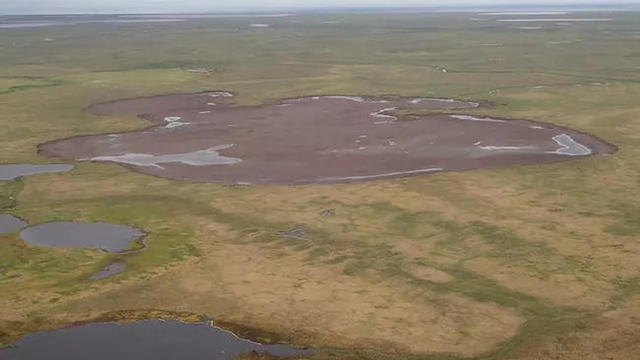
The new findings come as a surprise for scientists, who anticipated that Arctic lakes wouldn't start drying up at least for another 40 years.
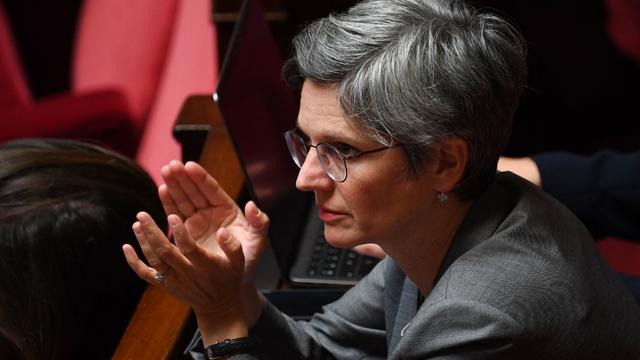
France needs "to change mentality so that eating steak cooked on a barbecue is not a symbol of virility," suggested Sandrine Rousseau.
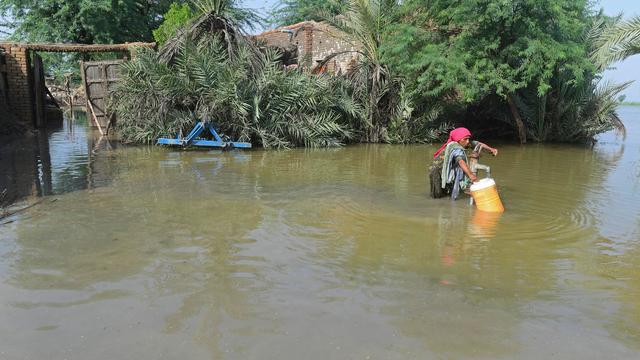
Record-breaking flooding from an extreme monsoon season has killed more than 1,150 people. U.N. says "tomorrow, it could be your country."
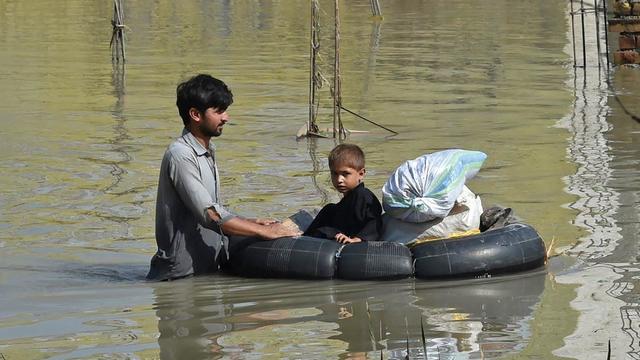
Pakistan is at "ground zero of the front line of extreme weather events," and is desperate for help as "overwhelming" floods claim more than 1,000 lives.
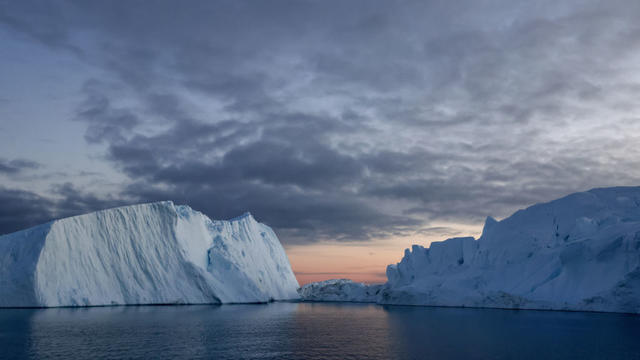
A new study finds that more than 120 trillion tons of ice in Greenland is no longer being fed by glaciers and is destined to melt away.

Producers in the country's wine regions are scrambling to find grape pickers due to the early start, but while the heat will have an impact, there's no panic.
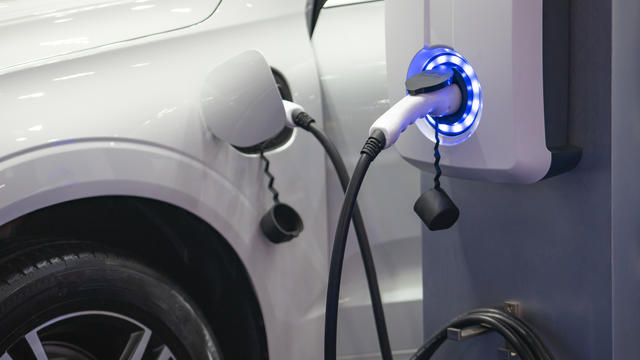
The plant's site is still undecided, but construction will begin in early 2023, with mass production of advanced cells to start by the end of 2025, the companies said.
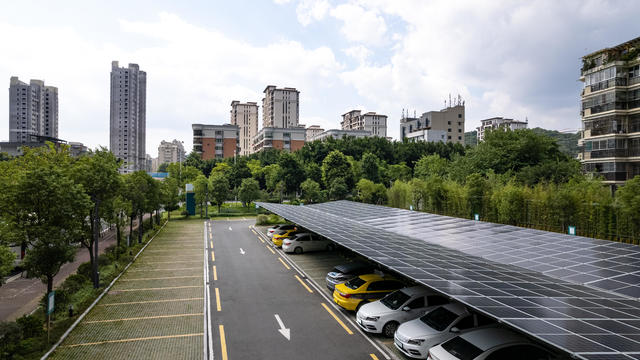
As the nation pushes for more electric vehicles, the nation's power grid must continue its move to clean energy, experts say.
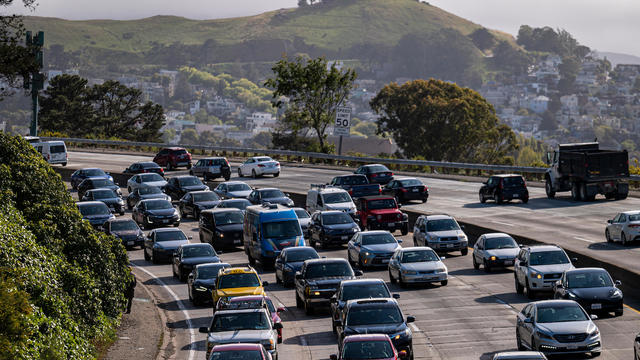
The plan requires all vehicles sold after 2035 to be zero-emission.
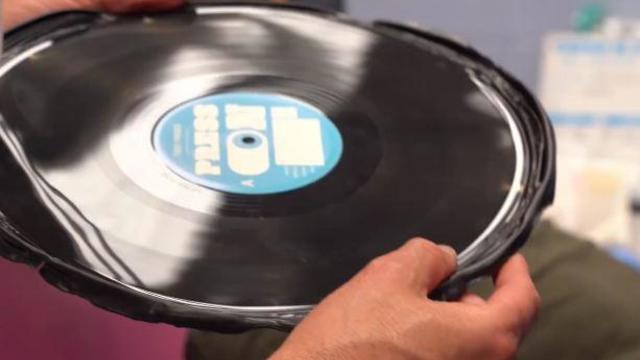
Vinyl sales in the U.S. topped $1 billion last year for the first time since the mid-80s, but most records are made of toxic plastic. Marc Carey is working to change that.

The idea is to curb climate-changing carbon emissions. Cities there would develop "zero-emissions zones" where fossil fuel-powered vehicles would be prohibited.
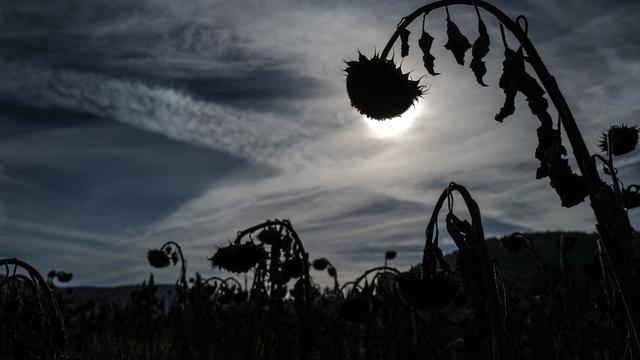
Extreme heat and a lack of precipitation have plagued Europe for months, causing rivers to shrivel up, crops to die and wildfires to scorch people's homes.
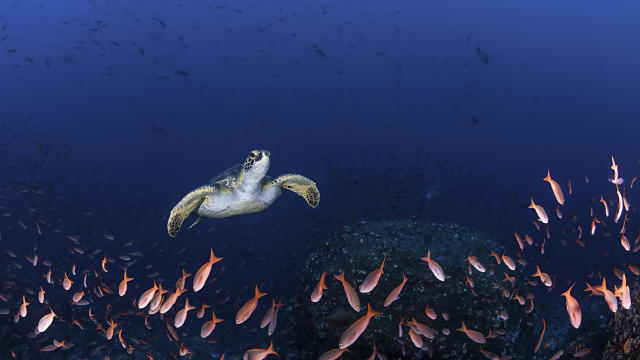
A new climate report card paints a grim future if emissions aren't reduced: "Climate change is rewiring marine ecosystems at an alarming rate."
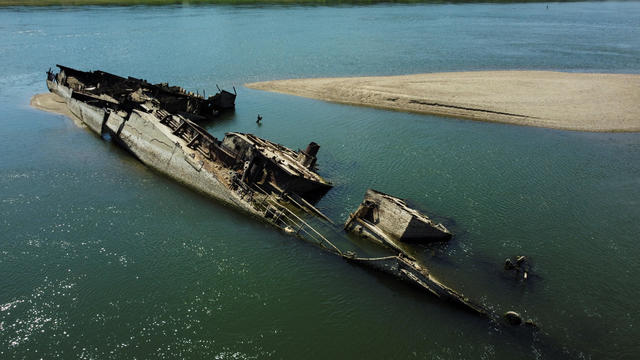
Photos from a stretch of the river near Prahovo, Serbia, show enormous vessels, some of which contain explosives, protruding from the water.
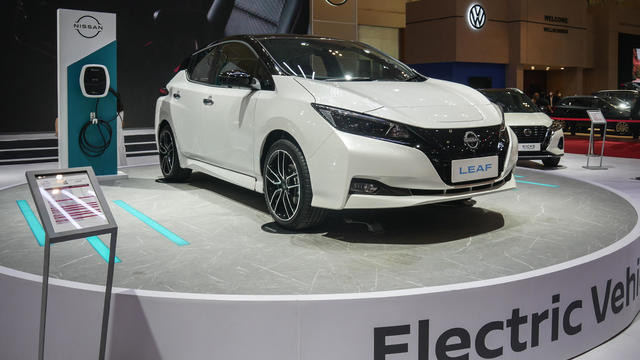
While some requirements don't kick in until 2023, any cars bought after August must be made in North America.
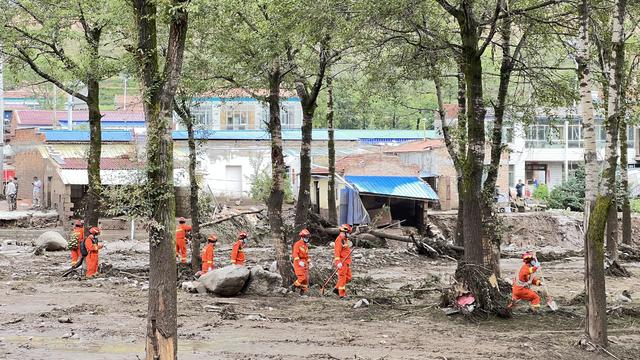
As flash floods leave more than 30 people dead or missing in Qinghai province, heat and drought force car plants to close in Shanghai.
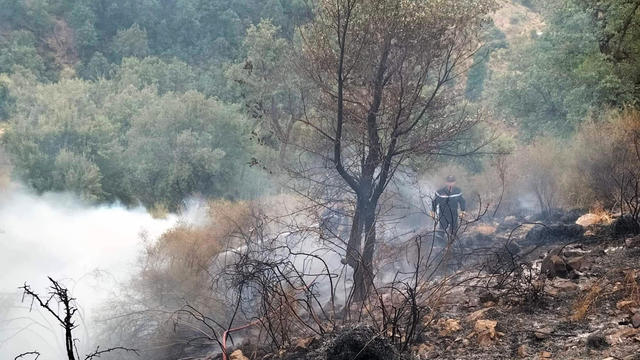
Officials said at least 39 blazes were raging across 14 regions, including one that caught out a public bus carrying people through the mountains.
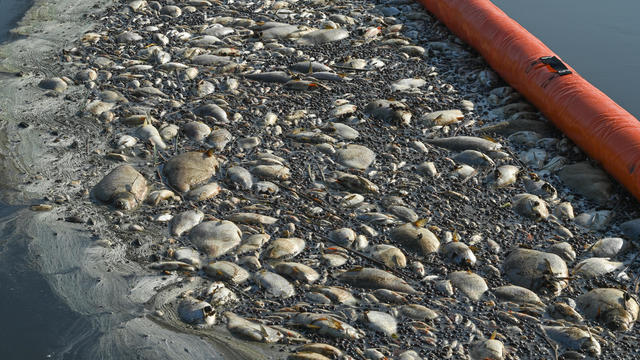
"Everything points to a manmade catastrophe," one environmental expert tells CBS News, as 100 tons of dead fish are removed from the Oder River.

The back-and-forth points to a big concern: U.S.-China cooperation is widely considered vital to the success of global efforts to curb rising temperatures.

The move came as officials predict levels at Lake Mead, the largest U.S. reservoir, will plummet even further.
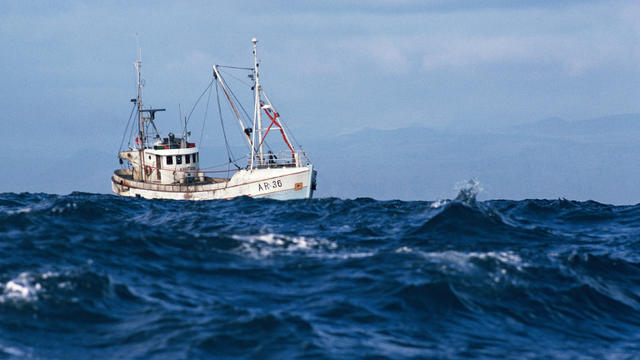
Member states have haggled over the terms of new international laws to protect international waters from exploitation since 2017. Could they finally reel it in?
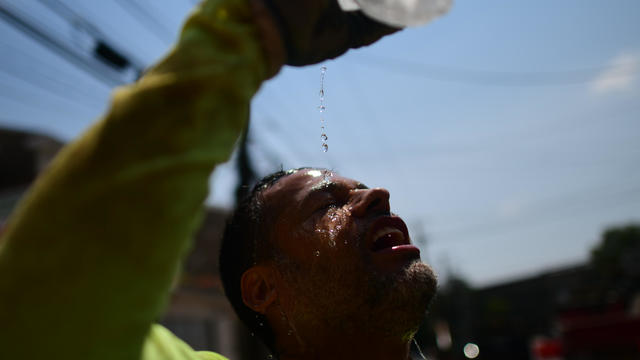
Researchers project that more than 100 million people will soon live in regions where the heat index reaches 125 degrees.
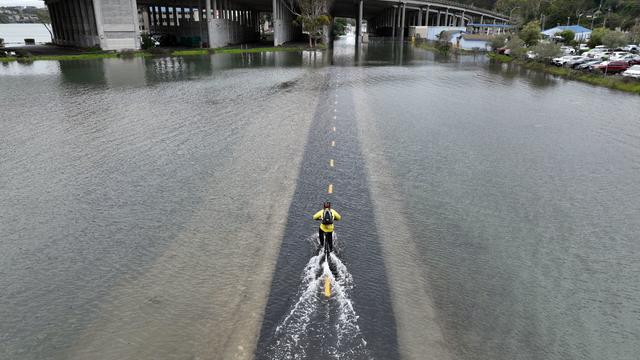
Climate change has already doubled the likelihood of catastrophic flooding in the state, researchers found, and without a limit on greenhouse gas emissions, it'll only get worse.
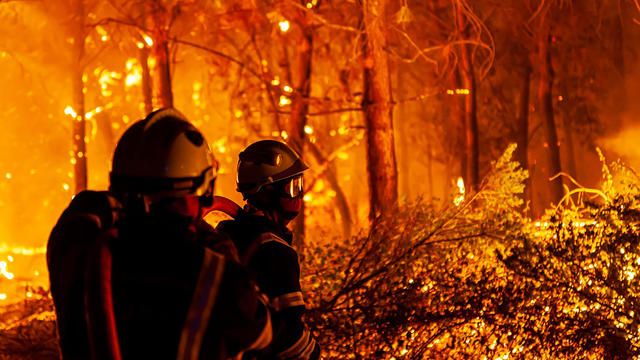
With record heat turning brush and farmland into a tinderbox across much of Europe, wildfires are tearing across France, Spain and Portugal.