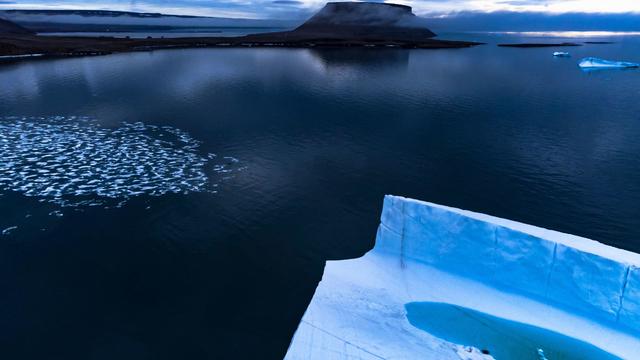
Arctic warming up to four times faster than the rest of the planet, study shows
The new study shows that warming in the Arctic is much worse than scientists previously thought.
Watch CBS News
The new study shows that warming in the Arctic is much worse than scientists previously thought.
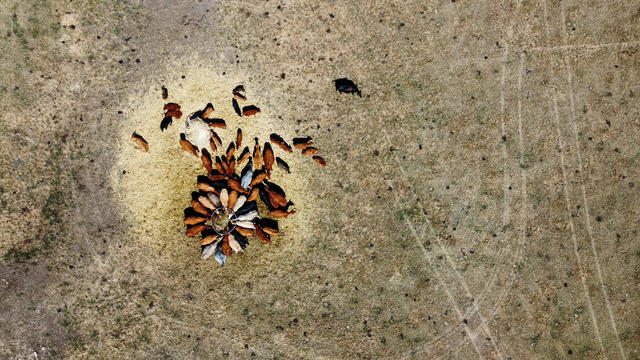
Much of Europe is sweltering under historic heat waves and parched conditions hitting everything from agriculture to transport.
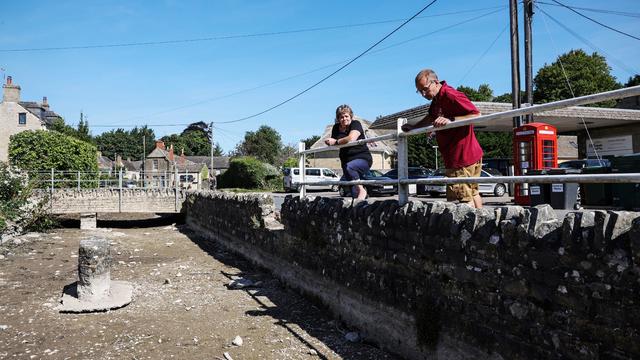
"Hopefully downstream we will find the Thames, but at the moment, it's gone," said one tourist who had come, hoping to see the origin of the iconic English river.
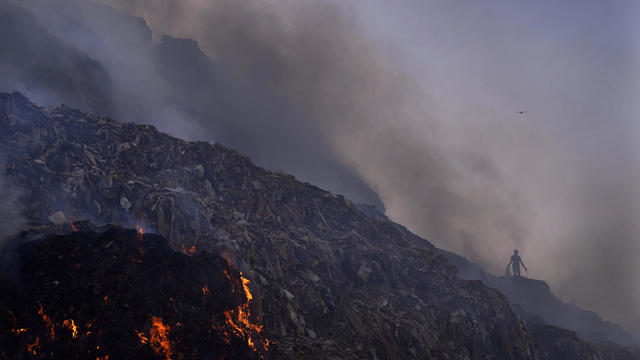
The powerful greenhouse gas traps 80 times more heat in the atmosphere than carbon dioxide does.

As waters warm and storms become more intense, some of Fiji's fisherwomen are making about half as much money as they used to – for more time spent working out at sea.
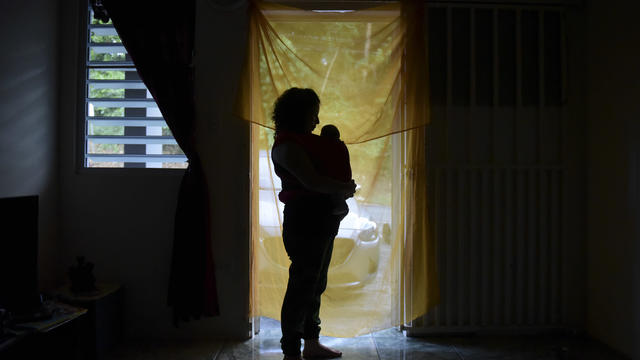
"There is no speculation here whatsoever," the study's lead author said. "These are things that have already happened."
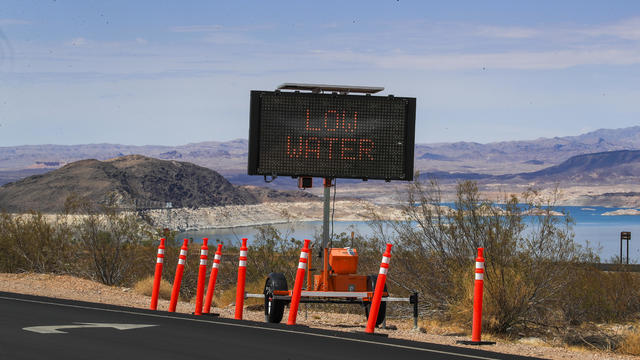
It was the fourth time human remains were discovered since its shorelines began retreating due to the drought's impact.
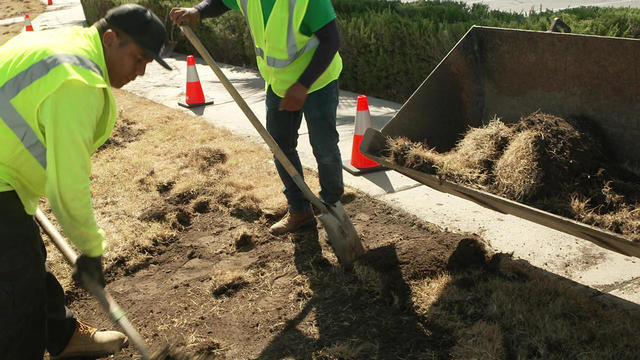
In a state where every drop of water counts, ornamental grass – which accounts for a large percentage of outdoor water use – has been banned in Southern Nevada, just one step being taken to address rising temperatures and shriveling reservoirs.

As the mercury soars, delivery drivers at the shipping company complain about a lack of AC and the punishing work pace.
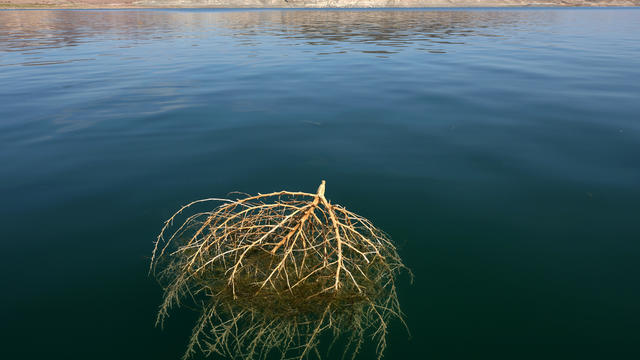
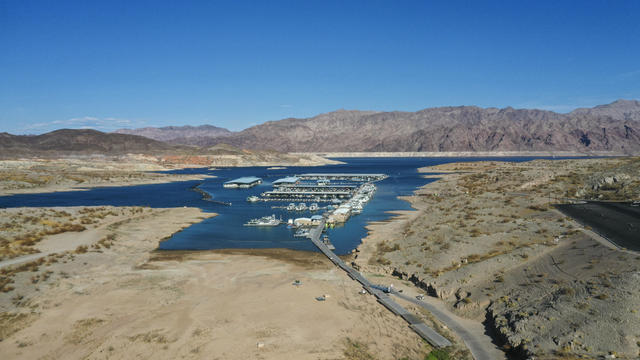
The water levels in Lake Mead and Lake Powell are so low "that we're no longer speaking of a drought."
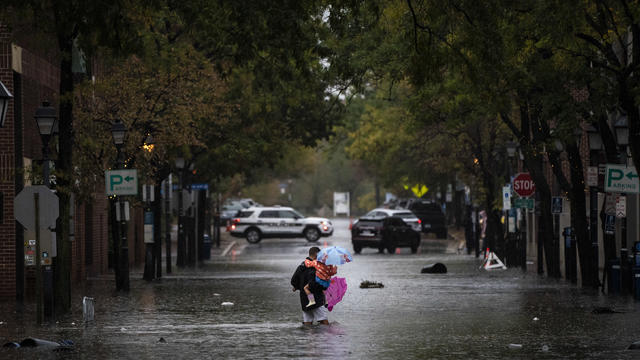
Reducing greenhouse gas emissions is essential to preventing "severe and transformative impacts" along U.S. coastlines in the next 30 years, a new report from NOAA says.
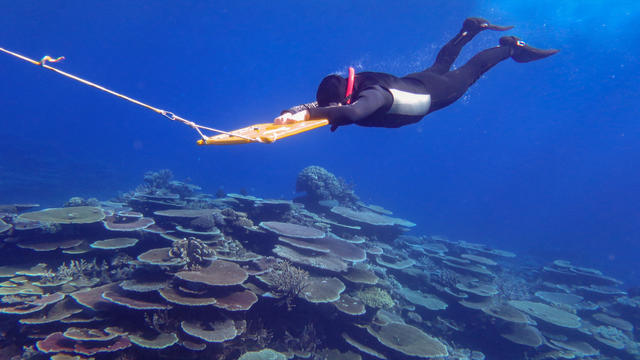
The central and northern stretches of the reef recorded the highest coral cover in 36 years but are still vulnerable to climate change, monitoring group says.
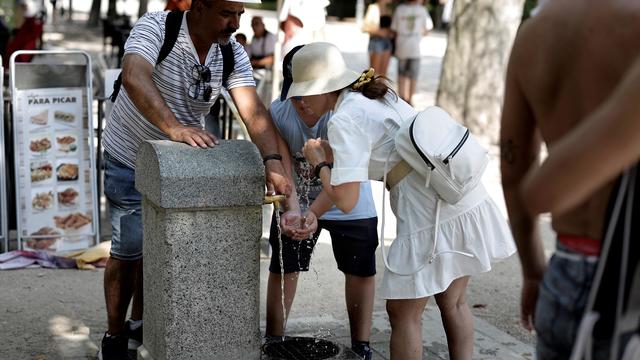
The guidelines also include keeping heating at or below 66 degrees Fahrenheit in the winter.
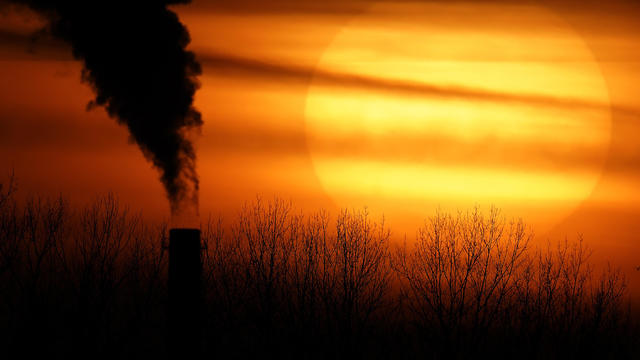
In about 78 years, Chicago could feel like Alabama and New York could feel like South Carolina.
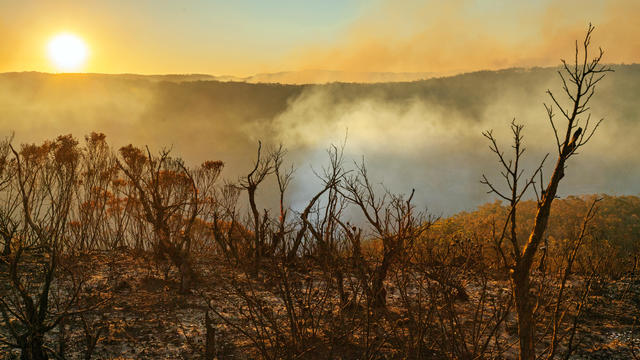
"Right now, I think we're being naive. We're not looking at the worst-case scenarios at all, really," says Luke Kemp of Cambridge's Centre for the Study of Existential Risk.
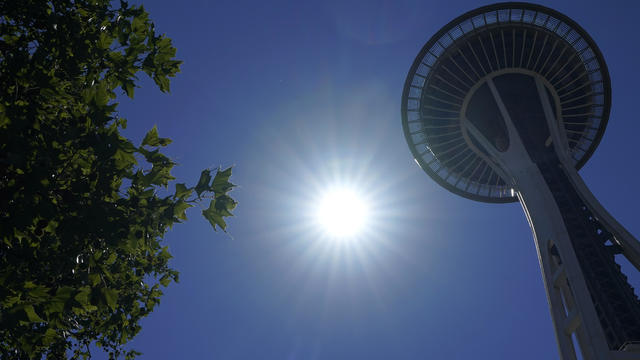
In Oregon, 14 deaths are being investigated as possibly heat-related.
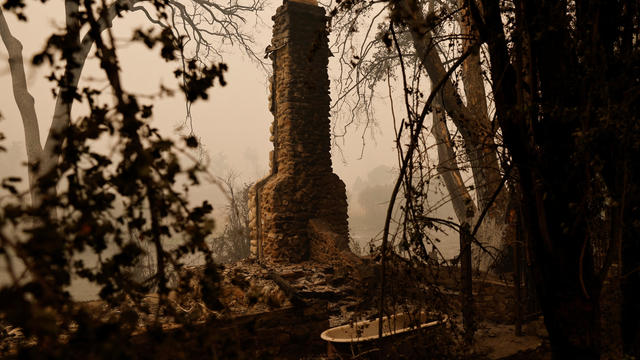
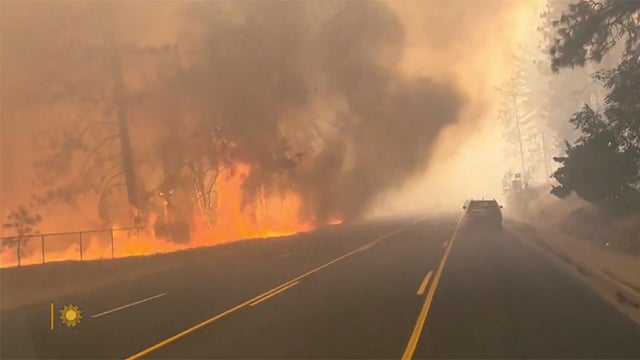
The blaze, in Klamath National Forest in Northern California, also forced thousands to evacuate as it tore through drought-caused tinder dry terrain.
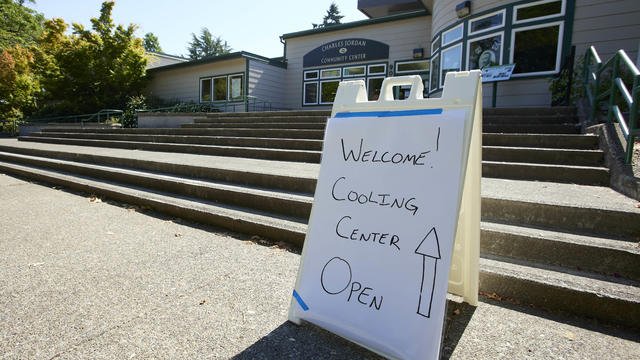
The forecast showed no sign of letting up soon in a region unaccustomed to such temperatures.
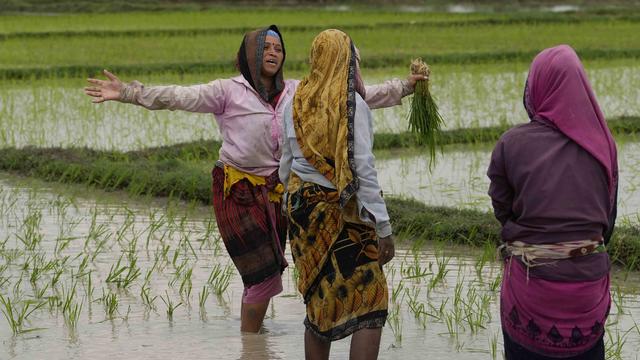
The latest victims were farmers who took shelter under trees during a drenching monsoon. India's monsoon season lasts from June through September.
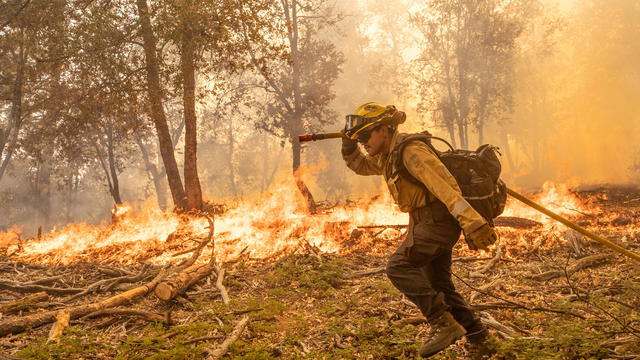
Its spread was limited to just a few hundred acres. But the blaze was only 16% contained at last word. It's California's largest wildfire this year.
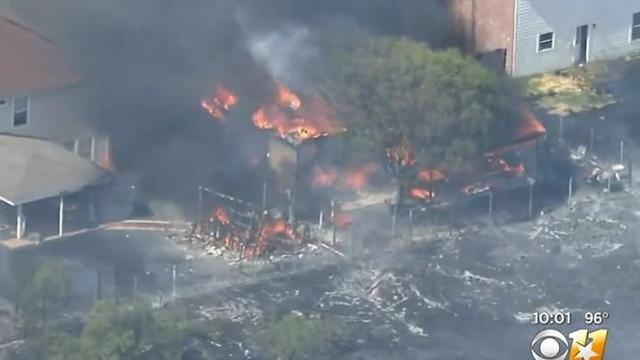
The mower was being used in an open field to trim brush when its blade struck some debris, generating a spark that ignited the blaze, officials said.
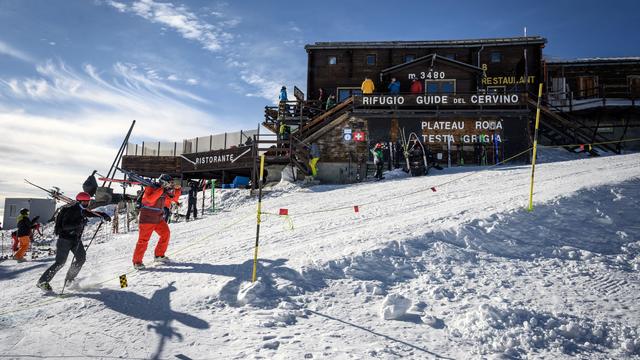
There have been diplomatic negotiations over a mountain lodge that was built in Italy, over half of which is now on Swiss territory.
The effects of climate change are being felt more quickly than we thought possible, but the Academy Award-winning director says there are actions we can take now to deal with this existential threat.
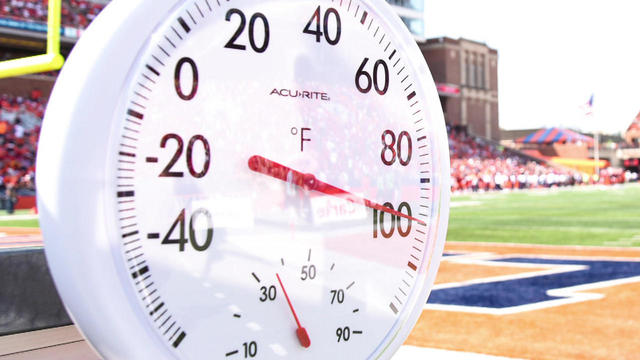
Driven by climate change, heat waves and drought go hand in hand. And in one U.S. city, heat kills as many people as homicide.
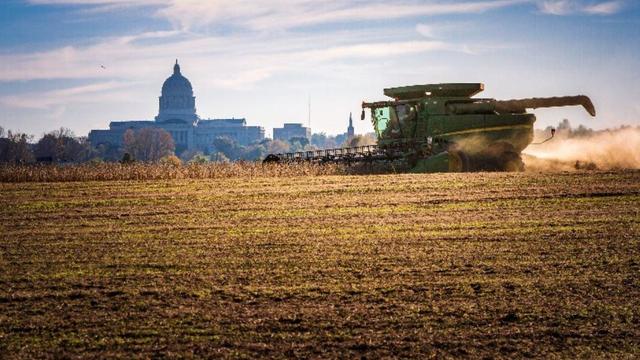
Gov. Mike Parson, a farmer himself, declared a drought alert in a bid to get state agencies to "lessen the impact," as families face "really tough decisions."