President Trump warns Iran over retaliation
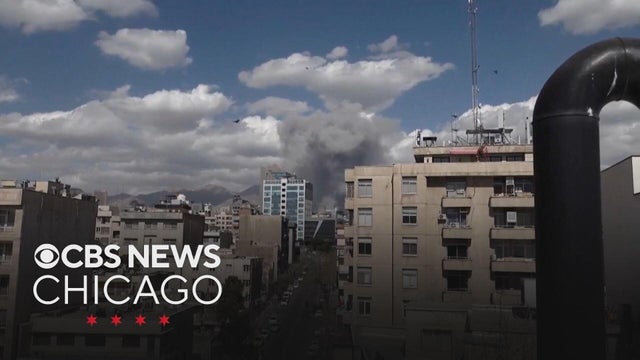
More strikes were carried out in Iran on Sunday after Iranian Supreme Leader Ayatollah Khamenei was killed in a massive U.S. and Israeli military operation the day before. Cristian Benavides reports.
Watch CBS News
More strikes were carried out in Iran on Sunday after Iranian Supreme Leader Ayatollah Khamenei was killed in a massive U.S. and Israeli military operation the day before. Cristian Benavides reports.
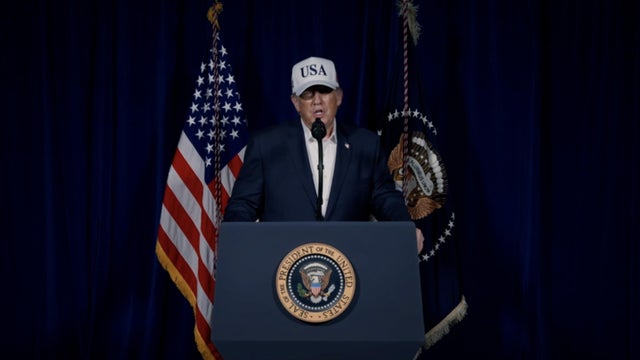
President Trump says his objective in attacking Iran "is to defend the American people by eliminating imminent threats" from the regime in Tehran. Read his full statement and watch the video here.
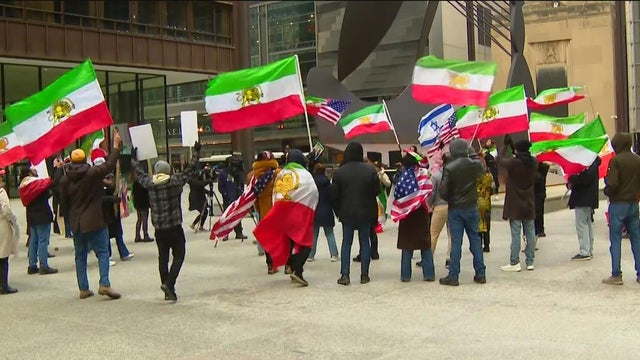
While some people are protesting the attack on Iran, other Chicagoans are celebrating it.
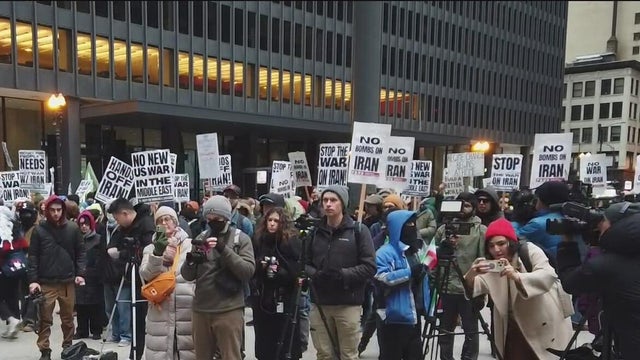
At Federal Plaza, demonstrators expressed concern following the military operation in Iran that killed the country's supreme leader and the impact it may have going forward.
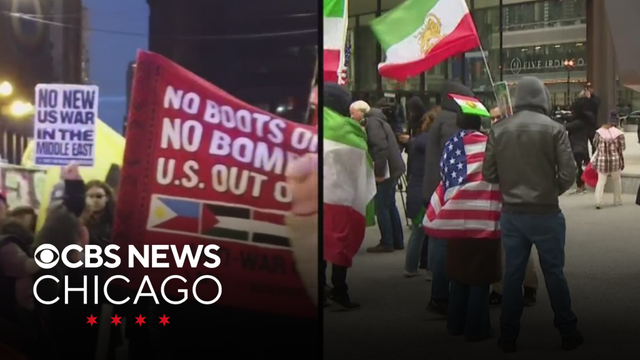
Some people in Chicago protested the attack on Iran and said they don’t want another war, but others are celebrating the news as airstrikes killed the supreme leader. Asal Rezaei reports.
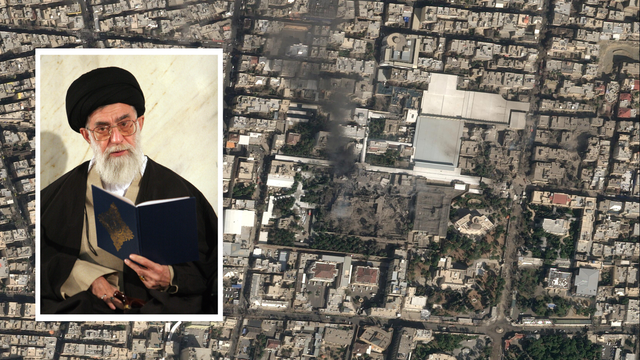
President Trump said that "heavy and pinpoint bombing" of Iran would "continue, uninterrupted throughout the week or, as long as necessary."
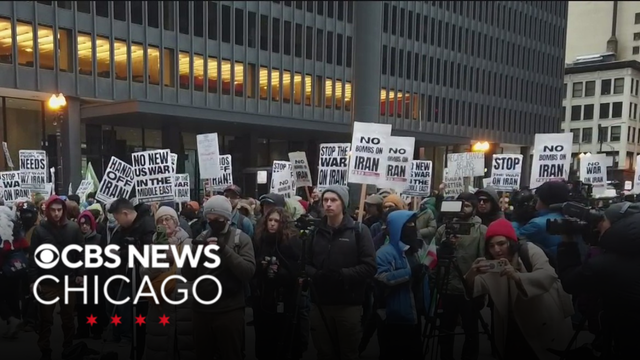
More than a hundred people gathered for the protest and rally and then took to the streets to march.
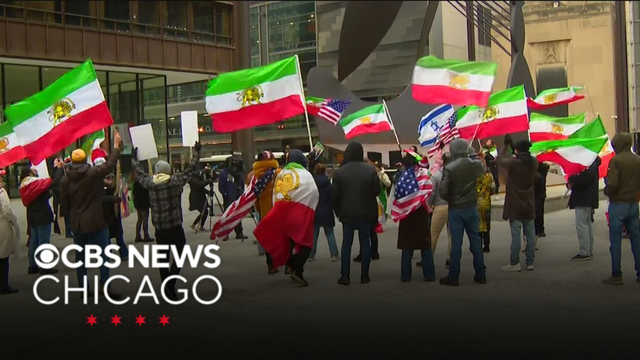
Many said they have been waiting for this moment for decades and are hoping to hear back from family members who live there since they are in an internet blackout.
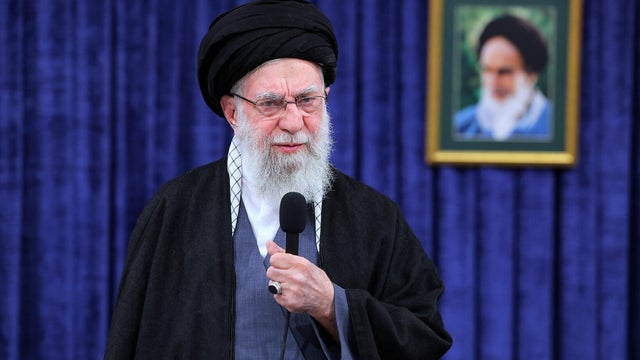
President Trump posted on social media that Iranian Supreme Leader Ayatollah Ali Khamenei had been killed after a massive U.S. and Israeli military operation Saturday.
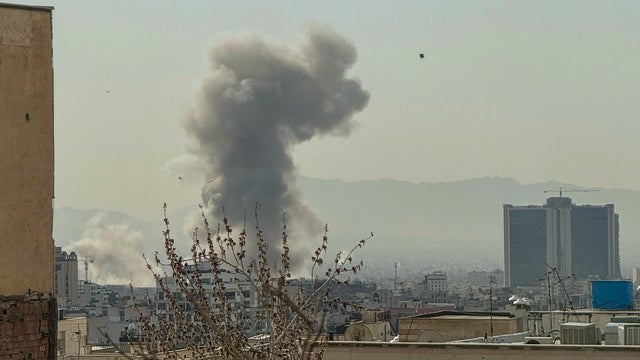
Trump ally Sen. Lindsey Graham said the operation would be "violent, extensive and I believe, at the end of the day, successful."
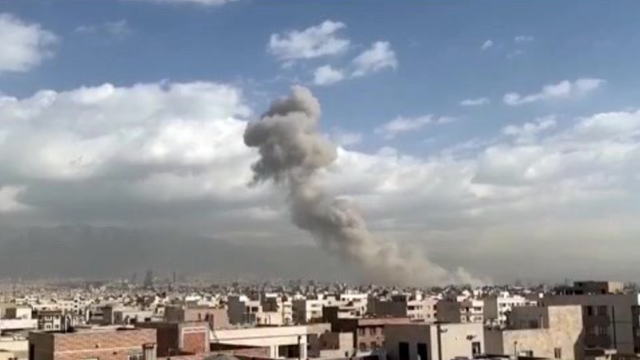
Illinois leaders and Chicago communities are reacting after the United States and Israel announced a major military operation against Iran early Saturday.
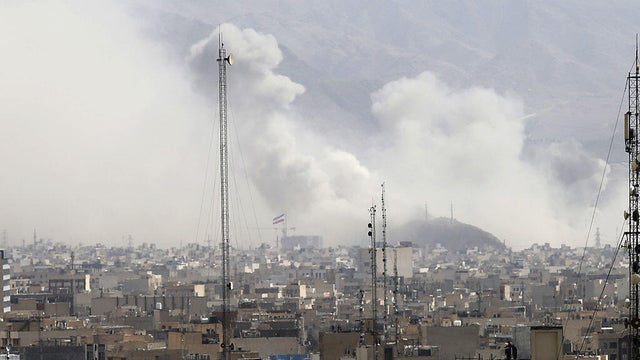
Americans weighed in on how long a conflict with Iran might last and what Congress should do.
University of Chicago professor of political science Paul Poast joins CBS News Chicago.
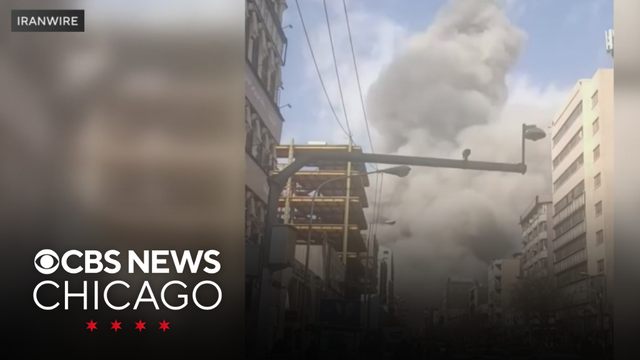
President Trump announced early Saturday that the U.S. was undertaking "major combat operations in Iran," as Israel said it was launching a preemptive attack on the country.

President Trump launched military strikes on Iran after several rounds of talks over the country's nuclear program and uranium stockpiles. Here's what to know about the nuclear program.
The U.S. embassy in Israel says the state department has authorized non-essential personnel and their families to leave the country because of "safety risks."
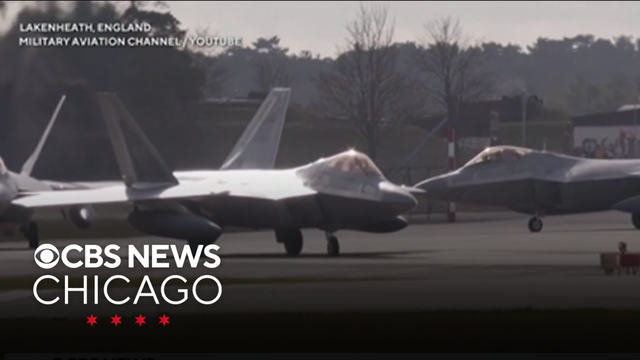
President Trump doubled down on his threats to Iran, saying he would not allow the country to have a nuclear weapon.
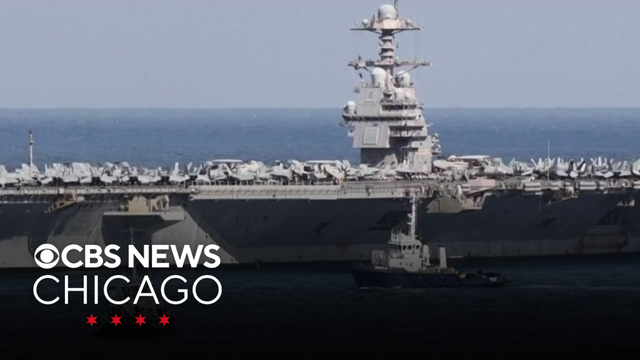
The order comes amid tensions between the U.S. and Iran over nuclear talks.
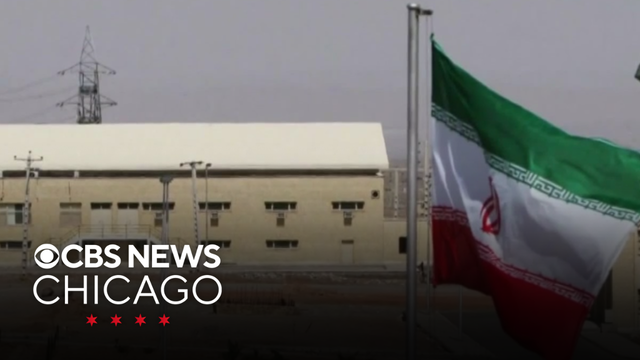
Both the U.S. and Iran have signaled they are prepared for war if negotiations fail.
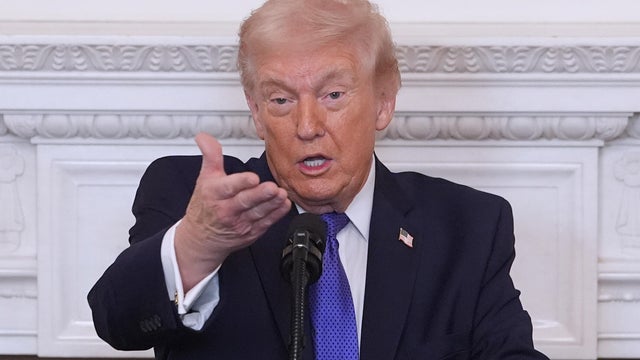
"I guess I can say I am considering that," President Trump told reporters when asked about the possibility of a limited strike on Iran.
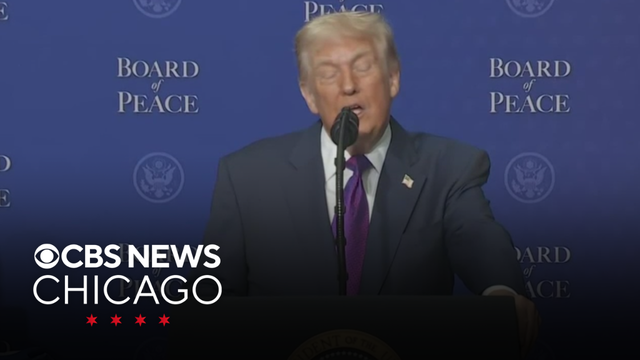
President Trump is hoping a show of strength will force Iran to negotiate a new nuclear deal.
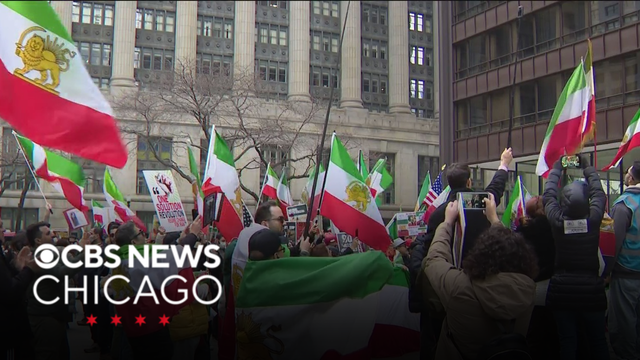
Protesters marched from Congress and Michigan Avenue to Daley Plaza as part of what demonstrators are calling a Global Day of Action. The effort was organized by Iran’s exiled crown prince.
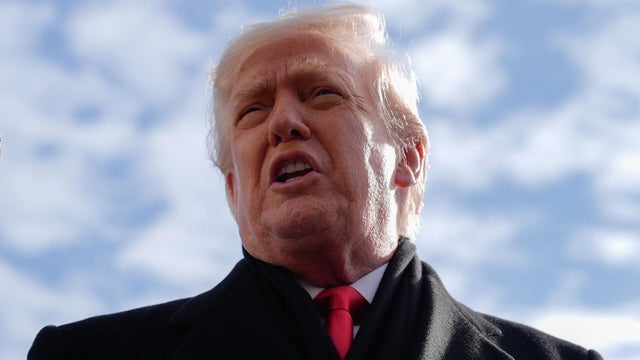
Suggesting Iran could suffer the same fate as Venezuela, Trump warns Tehran to negotiate a new nuclear agreement, or face "major destruction."
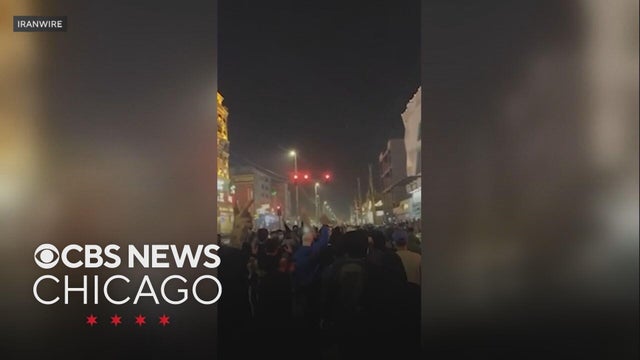
The death toll from Iranian protests against the Islamic Republic's regime have climbed well into the thousands, watchdog groups estimate, as the U.S. has moved military ships into the region.
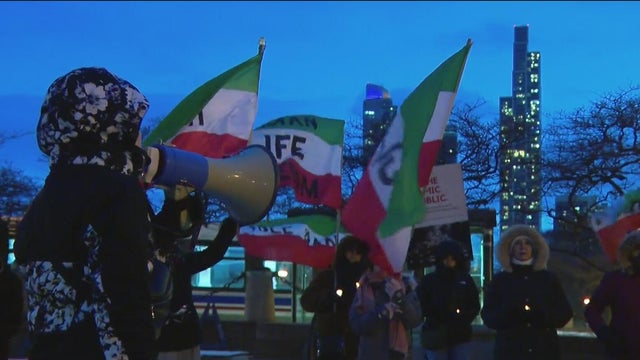
Dozens braved the frigid temperatures in the Loop to call for an end to the Iranian regime.