Seward Academy in Back of the Yards is ahead of the curve for climate change education in Illinois
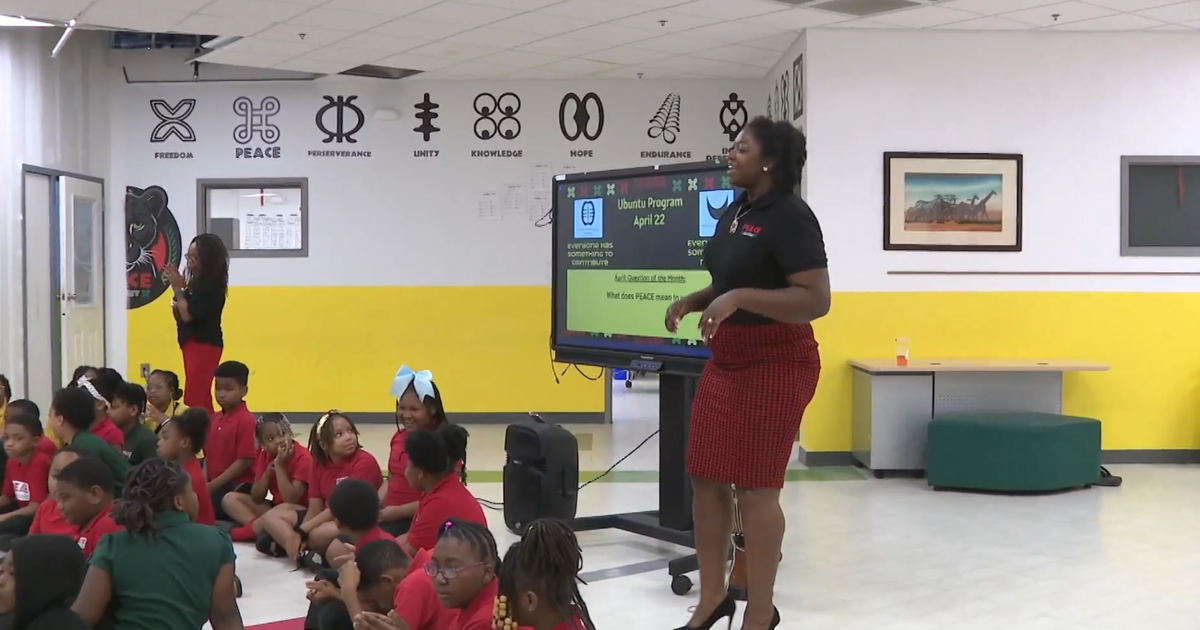
In 2026, Illinois schools will be required to teach students about climate change. One CPS school in Back of the Yards is well ahead of the curve thanks to one of their teachers.
Governor JB Pritzker signed the bill requiring climate change education in all Illinois public schools in 2024. But at Seward Academy in Back of the Yards, the curriculum will seem mighty familiar.
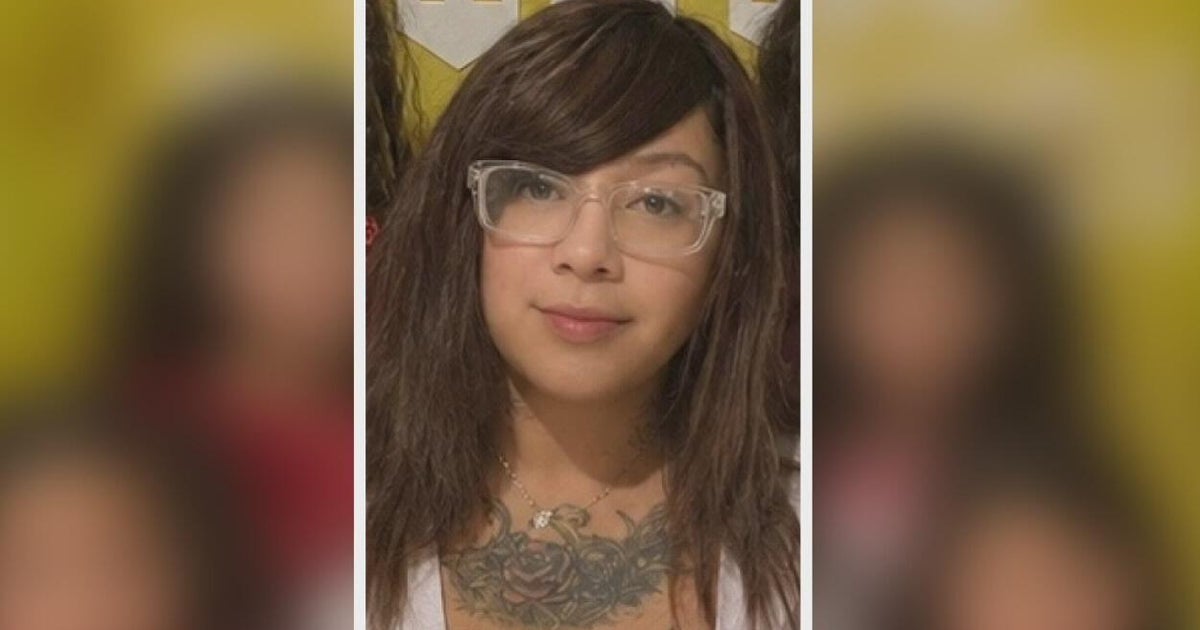
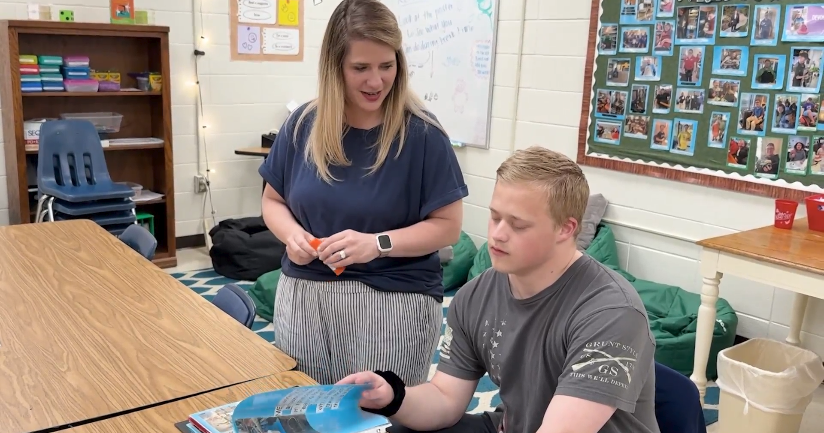
Nancy Ibarra is a Yale fellow who participates in climate research across the world. She also teaches eighth grade at Seward Academy.
"Before I learned about climate change, I didn't think it was a big deal at all," said eighth grader Januel Cruz. "But seeing it now? It didn't just impact us. It impacts different countries. People around the world."
"More than anything, I love to see those moments where the lightbulb goes off and they're like, 'Oh!'" Ibarra said.
Ibarra has taught climate change for 15 of her 25 years in the school district.
"You cannot change what you don't care for," she said. "If you really start understanding how the science works, and we love our earth, that's when they're going to want to make a change."
Seward Academy is ahead of state law. Among the things the climate education bill requires to add to the curriculum are topics like identifying and mitigating climate change impacts and evaluating solutions.
Illinois is the fifth state to formally require climate change education in their public schools.
"What's happening with many teachers in the district is beyond just teaching about climate change and fulfilling our vision as a district to create environments for our students where they can be critical actors who show the world," said Michelle Rabkin, science director for Chicago Public Schools.
There is also a collective within CPS focused on the climate change learning, bringing teachers across the district together with local professors and climate leaders.
The educators say this learning is important, and the kids say it's making the difference.
"It's important to learn it so we can also learn how to help it not impact us so much," Cruz said.