Illinois Accountability Commission releases report on Operation Midway Blitz immigration crackdown in Chicago


The Illinois commission investigating "Operation Midway Blitz" released its final report meant to hold federal agents accountable for their actions.
Governor JB Pritzker created the Illinois Accountability Commission in October during the federal immigration crackdown in Chicago. Members reviewed video and spoke to witnesses about 16 events last fall and winter.
This week, the commission heard testimony about car chases, tear gas, and shootings by federal agents during the fall of 2025.
On Thursday, the eight commissioners voted to approve their final report and pass it along not only to the governor but also to local law enforcement agencies
"The factual record is grounded in evidence and lived experience that has taken a huge toll. I don't know if kids are ever going to feel they can cooperate with law enforcement every day," Judge Castillo said. "I'm proud that the commission has approved the final report, which has now been formally transmitted to the governor."
Pritzker also spoke following the report release.
"It collected evidence and a public record of the abuses and breaches of people's rights, and it took testimony of the traumatic impact on our communities, and the commission is recommending actions to pursue justice and to prevent further harm," Pritzker said.
The commission plans to eventually push the Cook County State's Attorney to criminally charge some of the federal agents involved in immigration enforcement. A group is already in court pushing for a special prosecutor to be appointed to investigate possible crimes committed by federal agents, saying Cook County State's Attorney Eileen O'Neill Burke has refused to investigate possible criminal action by federal agents because of a conflict of interest.
The Cook County State's Attorney's Office commended the "bravery of every witness who testified." The Cook County State's Attorney's Office released the following statement in part:
"Under Illinois statute, our Office can bring charges only after receiving a completed investigation from a law enforcement agency. At that point, we review the available evidence and determine whether criminal charges are warranted in state court."
What the commission heard and saw during testimony
This week, the commission heard testimony from witnesses, officials, lawyers, and victims.
The testimony claimed agents lied about their vehicles being boxed in, or claimed there were threats of being shot by people who didn't have a gun. Some testified that agents continued on high-speed chases when told not to.
For one of the cases, officials screened a video showing an hour of federal immigration enforcement in October.
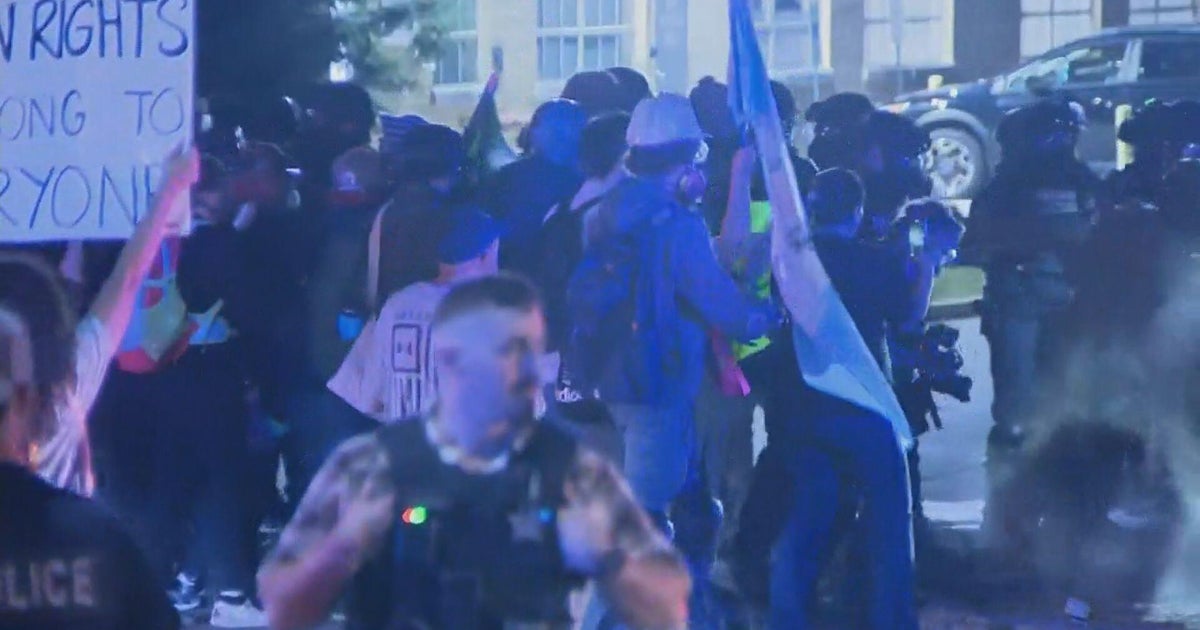
In the video, minutes before agents threw tear gas at a protesting crowd, they pulled someone from a vehicle and tackled him. They also screeched to a halt in front of a young girl, and then questioned her citizenship, before moving on.
Another incident occurred in Lakeview one week before Halloween, when Border Patrol agents arrived to spot-check a home renovation project.
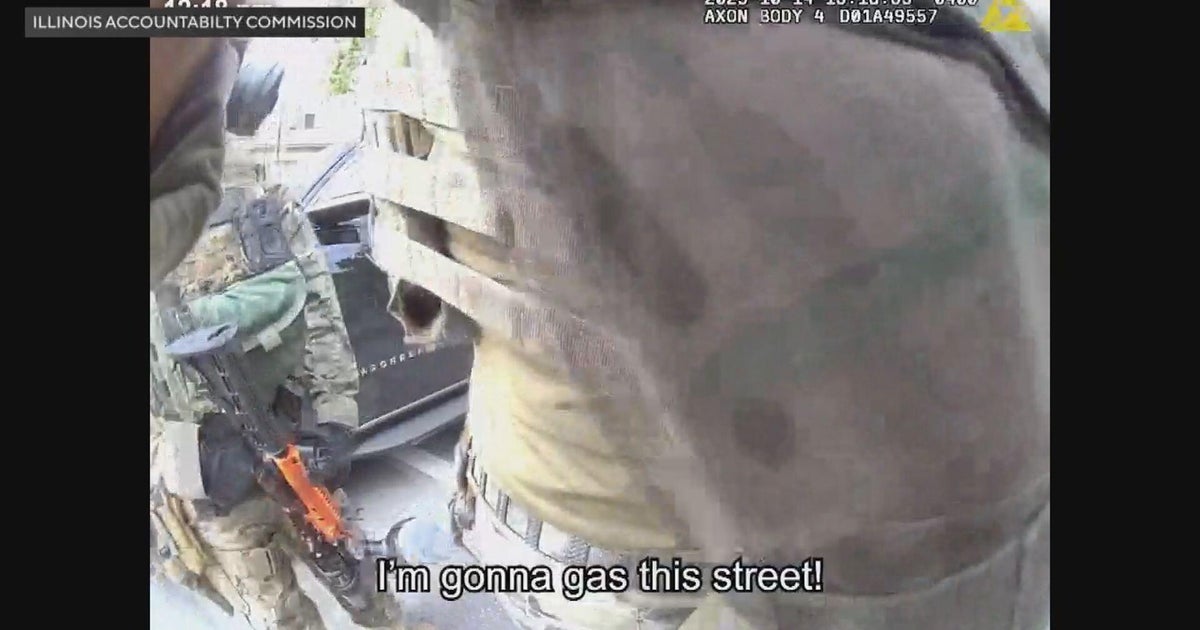
In video footage released by the Illinois Accountability Commission, a man can be heard telling the agents, "ICE, get off my property. This is private property."
A community protest emerged outside the home, which led to Border Patrol agents deploying tear gas.
Commission officials said President Trump's team declined to appear at a series of hearings held since December.
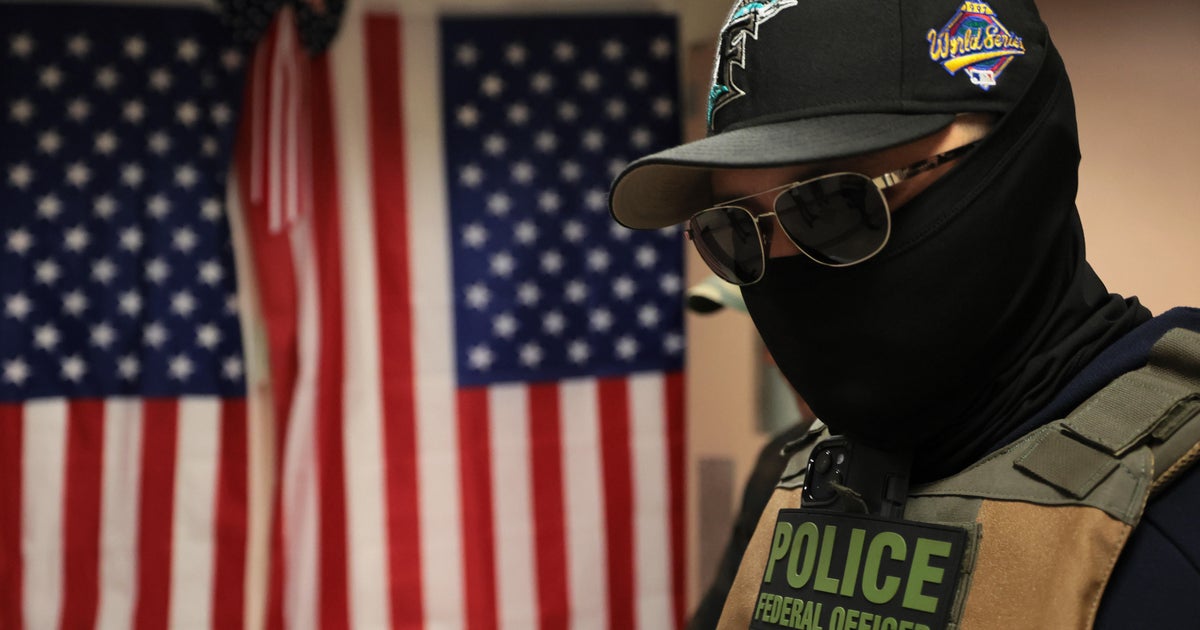
The Trump Administration began Operation Midway Blitz in September 2025. In the months that followed, thousands of federal agents from U.S. Immigration and Customs Enforcement and U.S. Customs and Border Protection flooded the city, often in tactical gear and deploying heavy force against protesters, journalists, observers, and ordinary civilians as they carried out raids in neighborhoods, near schools, and outside courtrooms.
Complaints about the overuse of force culminated in a federal judge issuing a permanent injunction against the immigration agents, prohibiting them from using tear gas and other riot control weapons, requiring them to issue warnings before force and riot control measures were used, and ordering them to both wear and use body-worn cameras.