Giving voice to all communities
Giving voice to all communities
Watch CBS News
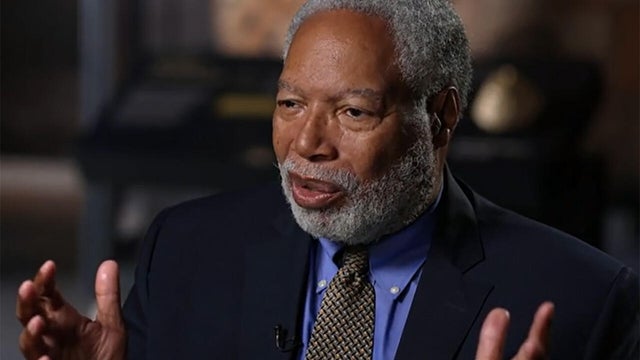
In 2019, Bunch became both the first historian and the first African American to serve as Secretary of the Smithsonian Institution. As he prepares to retire, he talks about the museums' mission to protect history, and give America a full picture of itself.
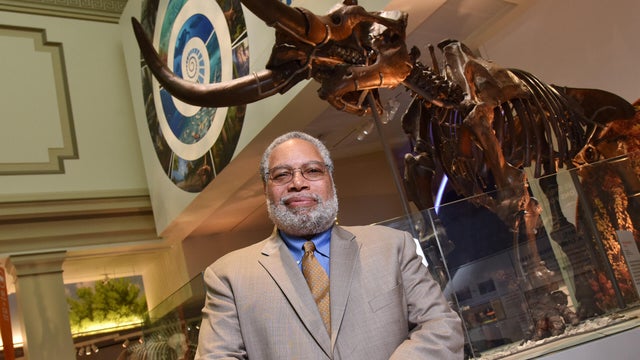
In 2019, Lonnie G. Bunch III became both the first historian and the first African American to serve as Secretary of the Smithsonian Institution. Now 73, Bunch has announced he is retiring. He talks with correspondent Mo Rocca about fulfilling and enriching the Smithsonian's mandate. He also talks about pressure from the Trump White House questioning the patriotism of Smithsonian staff, and why the museums' mission – to protect history – includes giving America a full picture of itself.
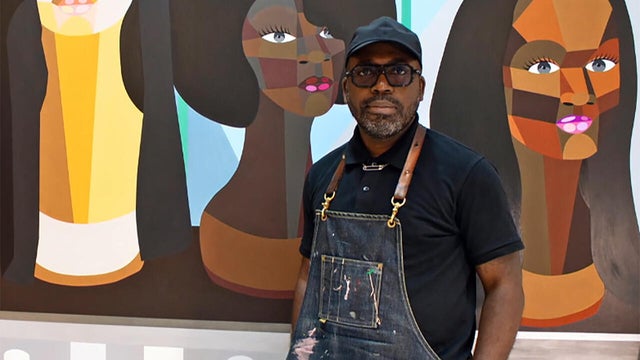
At 56, Derrick Adams is widely regarded as one of the most important artists of his generation, known for capturing the Black experience in vibrant, kaleidoscopic colors.
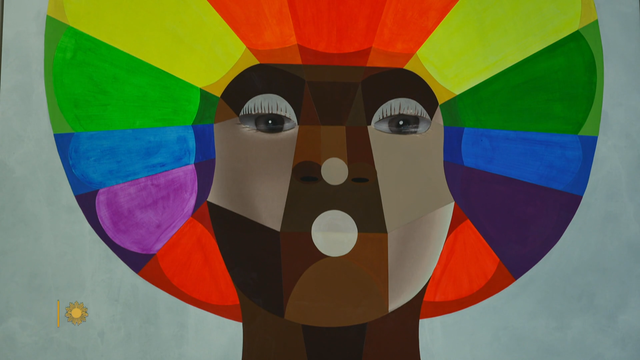
At 56, Derrick Adams is widely regarded as one of the most important artists of his generation, known for capturing the Black experience in vibrant, kaleidoscopic colors. Correspondent Nancy Giles talks with the artist about leaving his mark with his depictions of joyous scenes of everyday life. She also visits the Institute of Contemporary Art in Boston, home to a mid-career retrospective of Adams' art.
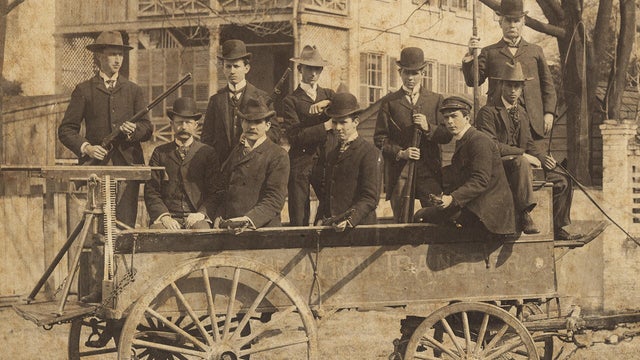
In 1898, Wilmington, N.C., was prosperous and integrated. But white supremacists took back control of the city's multi-racial government at gunpoint, and killed scores of Black residents - a little-known story retold in Lauren Collins' "They Stole a City."
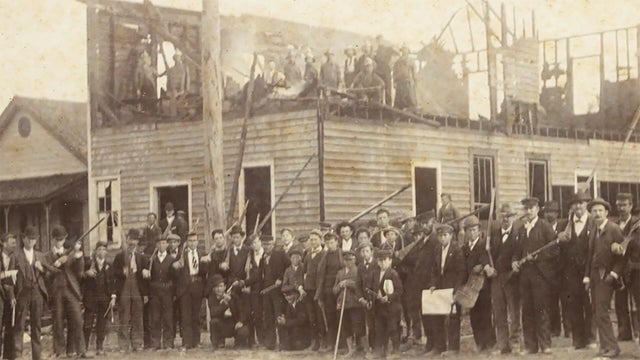
In 1898, Wilmington, N.C., was a prosperous integrated city, where Black and white North Carolinians shared political power and leadership positions. But white supremacists took back control of the city's multi-racial government at gunpoint, and launched a wave of violence that killed scores of Black residents. That little-known history is the subject of The New Yorker journalist Lauren Collins' new book, "They Stole a City." She talks with Lee Cowan about her hometown's darkest chapter – the only successful coup in our nation's history.
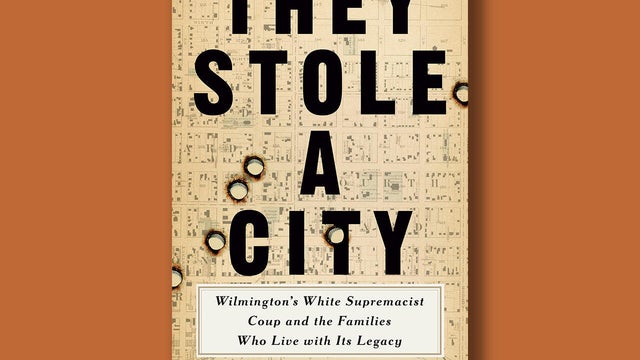
The New Yorker writer's new book examines how, in 1898, white supremacists staged a coup against Wilmington, N.C.'s multi-racial government – a case study in the sabotage of American democracy.

Eric Dillon thought the pain in his shoulder was a minor injury. It took two years to get the real answer.
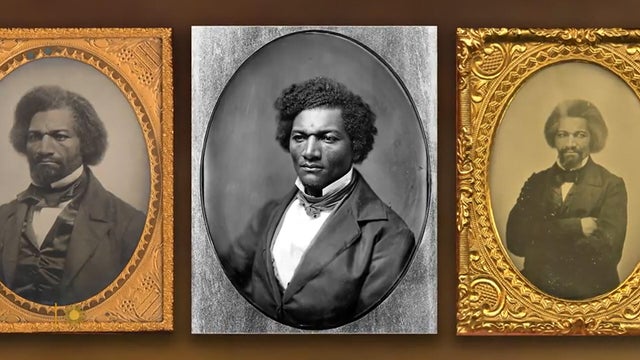
Frederick Douglass, who was born into slavery and became an influential orator, writer and intellectual, was the most photographed person in America in the 19th century. Nancy Giles explores how Douglass used the early photographic medium to promote the cause of abolition.
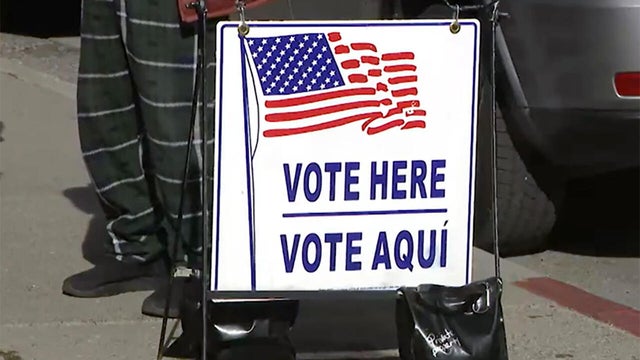
The Supreme Court has ruled that, under the Voting Rights Act, Congressional districts can no longer be drawn along racial lines, but can be shaped by partisan aims. The result: A dash to re-draw voting districts in several states. What does this portend for democracy?